Private Number
1936
No user ratings available yet
Representation score: 1.2 out of 10
Representation Score
Limited
1933
PassedDirector
Roy Del Ruth
Runtime
75 minutes
Average Rating
No ratings yetNew Showbiz Analysis
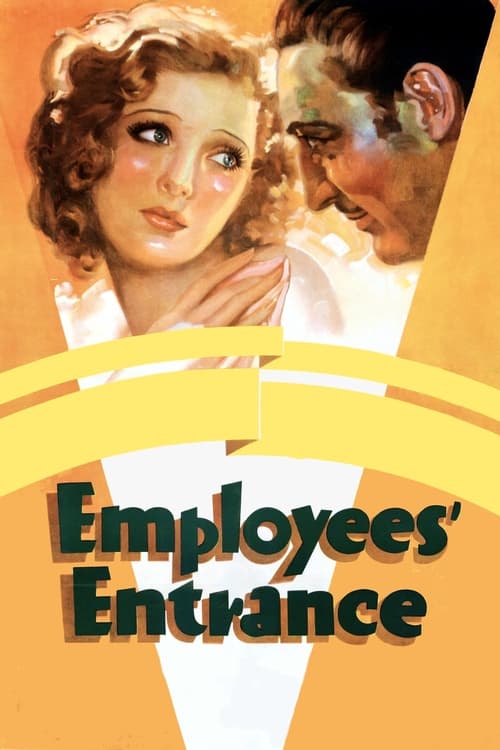
Employees' Entrance serves as a social realist drama capturing the economic anxieties of the Depression era. It successfully challenges traditional corporate authority by showing leadership as a tool for personal gain rather than stability. However, the film is constrained by the era's social norms. It lacks meaningful representation for LGBTQ+ individuals, diverse racial groups, or people with disabilities, presenting a very narrow demographic perspective. Ultimately, the film's strength lies in its subversion of gender hierarchies and its critique of institutional power, even while remaining within a largely monolithic social framework.
Category Breakdown
The film follows a conventional framework that assumes everyone is straight and cisgender. There are no depictions of same-sex relationships or non-binary gender identities.
Madeline's role in a male-dominated workplace provides a nuanced look at the 'working girl' stereotype. The film critiques patriarchal authority through the manager's predatory behavior.
The cast is primarily made up of actors from similar backgrounds, reflecting the Hollywood studio system of the early 1930s. The story presents a uniform view of the white, urban working class.
The story critiques capitalist structures and economic stress during the Depression. It portrays the department store as a place where moral compromises and unstable jobs occur.
The narrative does not address physical or cognitive disabilities. No such traits are shown in the main characters' stories.
Present on Screen
Limited or Absent
Official Synopsis
Kurt Anderson is the tyrannical manager of a New York department store in financial straits. He thinks nothing of firing an employee of more than 20 years or of toying with the affections of every woman he meets. One such victim is Madeline, a beautiful young woman in need of a job. Anderson hires her as a salesgirl, but not before the two spend the night together. Madeline is ashamed, especially after she falls for Martin West, a rising young star at the store. Her biggest fear is that Martin finds out the truth about her "career move."
1936

1931

1933
1931
1934

1933

1930

1932
No reviews yet. Be the first to share your thoughts on this movie!
Use the rating form above to leave a star rating and optional review.