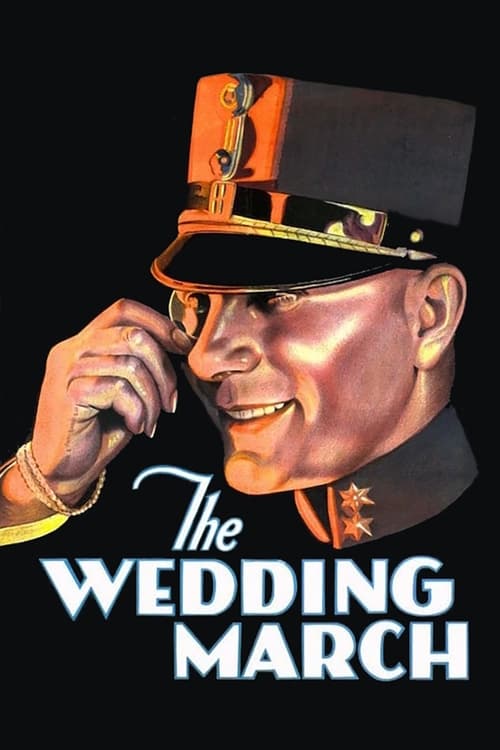
The Wedding March
1928
No user ratings available yet
Representation score: 4.4 out of 10

Representation Score
Limited
1925
PassedDirector
Erich von Stroheim
Runtime
137 minutes
Average Rating
No ratings yetNew Showbiz Analysis
The Merry Widow is a film filled with contradictions, excelling in thematic subversion while maintaining a narrow demographic focus. It stands out by challenging social hierarchies and empowering its female protagonist economically, which counters the passive female stereotypes common in 1920s melodramas. However, the film lacks depth in representing diverse identities. Its cast is nearly uniform, and the narrative confines itself to a strictly heterosexual framework, offering no representation for LGBTQ+ or racially diverse characters. Ultimately, the film's worth lies in its critical examination of the ruling class rather than its broad demographic representation. It uses its fictional monarchy to highlight the fragility of aristocratic power.
Category Breakdown
The film doesn't depict any LGBTQ+ identities or include queer subtext. The romance focuses solely on the heterosexual relationship between the Prince and the widow.
The narrative challenges traditional hierarchies by focusing on the widow's financial independence. Her wealth and economic power allow her to navigate political pressures with significant influence.
The cast is predominantly European and homogeneous, reflecting the era's limitations. There are no non-Anglo-Saxon characters in key roles.
The film critically examines Western monarchy and the interplay between state and private wealth. It portrays the aristocracy as decadent and inherently corrupt.
There are no visible or invisible disabilities shown in the main character arcs. No disability is used as a narrative device.
Present on Screen
Limited or Absent
Official Synopsis
Prince Danilo falls in love with dancer Sally O'Hara. However, his uncle, King Nikita I of Monteblanco, forbids the marriage due to her being a commoner. Thinking she's been jilted by her prince, Sally marries lecherous old Baron Sadoja, whose wealth has kept the kingdom afloat. When he suddenly dies, Sally must be wooed all over again by Danilo.
1928
1935
1929
1955
1930
1927

1929

1928
No reviews yet. Be the first to share your thoughts on this movie!
Use the rating form above to leave a star rating and optional review.