Embrujo
1948
No user ratings available yet
Representation score: 2.5 out of 10
Representation Score
Minimal
1958
Director
Luis César Amadori, Ernesto Arancibia
Runtime
99 minutes
Average Rating
No ratings yetNew Showbiz Analysis
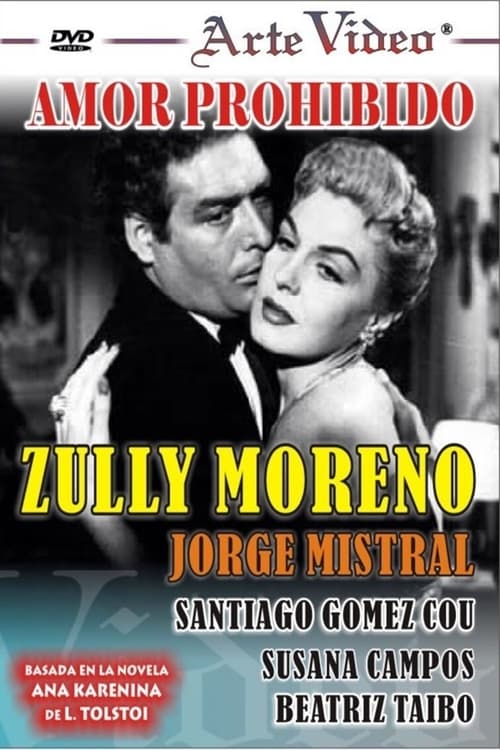
Forbidden Love is a mid-century melodrama that adheres strictly to the genre conventions of its era. The story centers on a traditional extramarital affair, prioritizing individual romantic struggle over social or systemic critique. The film lacks intentionality regarding the way different parts of someone's identity overlap. It functions within established moral frameworks, focusing on a standard romantic conflict between a married woman and a male captain. While the production reflects the regional demographics of its time, the narrative does not actively work to disrupt social hierarchies or provide diverse perspectives.
Category Breakdown
The film focuses solely on a heterosexual relationship. There is no representation of LGBTQ+ identities or critiques of the assumption that everyone is straight or cisgender.
Ana drives the emotional conflict, but the story relies on traditional melodrama clichés. The narrative likely reinforces mid-century gender roles rather than challenging gender hierarchies.
The cast likely reflects the regional demographics of 1958 Spanish-language cinema. However, there is no specific evidence regarding racial composition or diverse character's ability to drive the story.
The plot follows a conventional 'forbidden love' storyline. It operates within traditional morality rather than offering critiques of Western institutions or systemic power.
The narrative contains no mention of characters with visible or invisible disabilities. Disability is not used as a narrative device in this story.
Present on Screen
Limited or Absent
Official Synopsis
During a horse race, Ana, a happily married woman with a child, he met Captain Brown. Later, they meet again on a long train journey and inevitably love arises. Both try to forget each one on his own, however, things go more and more complicated, making it impossible to stop the situation.
1948

1964
1943
1952
1986

1950
1945
1995
No reviews yet. Be the first to share your thoughts on this movie!
Use the rating form above to leave a star rating and optional review.