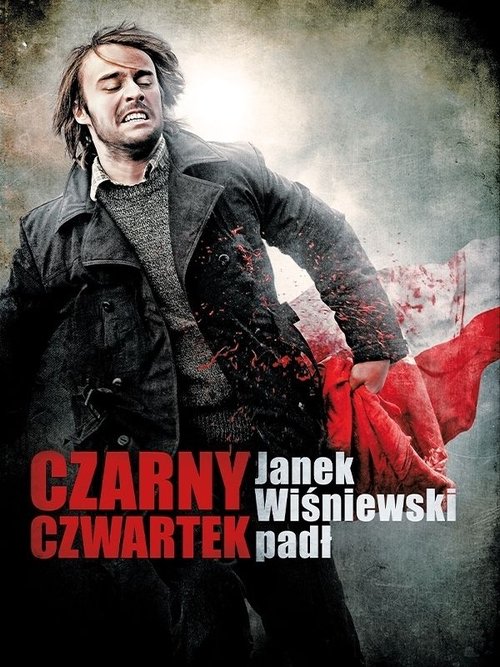
Black Thursday
2011
No user ratings available yet
Representation score: 2.4 out of 10

Representation Score
Limited
1981
PGDirector
Andrzej Wajda
Runtime
147 minutes
Average Rating
No ratings yetNew Showbiz Analysis
Man of Iron is a historical drama that prioritizes class struggle and institutional critique over demographic variety. Its strength lies in its profound cultural commentary, deconstructing state-mandated narratives to highlight the lived realities of the Polish proletariat. However, the film lacks representation for LGBTQ+ individuals and people with disabilities. The narrative is also heavily centered on male political engagement, which limits the scope of gender diversity. Ultimately, the film's impact is found in its institutional critique rather than its broad representation of diverse identities.
Category Breakdown
The film focuses on the socio-political landscape of the labor movement and does not include any non-traditional gender identities or narratives about non-straight relationships.
The story centers around male-driven political struggles and patriarchal activism. Characters like Agnieszka play significant roles, but the main conflicts are framed through masculine political engagement.
Set in historical Poland, the film depicts a culturally uniform population focused on class differences rather than diverse racial or ethnic backgrounds.
The film excels at critiquing established power structures and state authority. It prioritizes the empowerment of the working class against centralized, oppressive forces.
There is no evidence of visible or invisible disabilities being integrated into the character arcs or used as central narrative devices.
Present on Screen
Limited or Absent
Official Synopsis
In Warsaw in 1980, the Communist Party sends disgruntled radio reporter Winkel to Gdańsk to dig up dirt on the shipyard strikers - particularly on Maciek Tomczyk, an independent labour union leader whose father was killed in the December 1970 protests. Posing as sympathetic, Winkel interviews the people surrounding Tomczyk, including his detained wife, Agnieszka.
2011

2014
2013

2014

2022
1992
1984

2016
No reviews yet. Be the first to share your thoughts on this movie!
Use the rating form above to leave a star rating and optional review.