Andrei Rublev
1966
No user ratings available yet
Representation score: 4.1 out of 10
Representation Score
Limited
1972
PGDirector
Franco Zeffirelli
Runtime
121 minutes
Average Rating
No ratings yetNew Showbiz Analysis
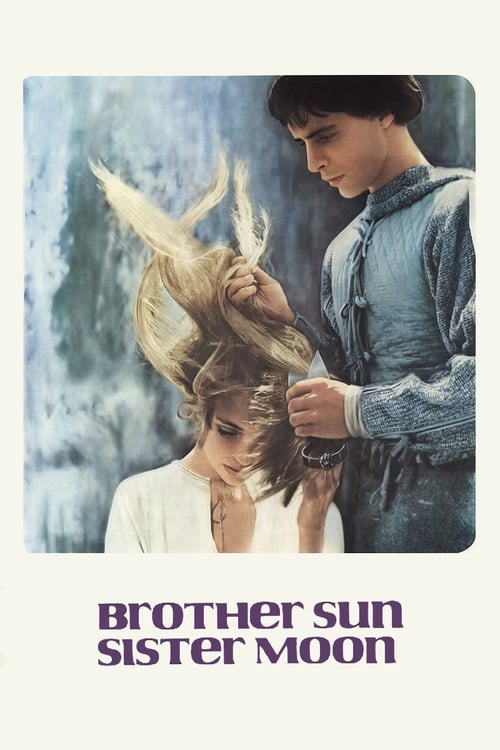
Brother Sun, Sister Moon is a period drama that prioritizes spiritual and aesthetic truth over demographic variety. It excels in its cultural critique, using the protagonist's rejection of wealth to challenge capitalist and class-based hierarchies. This provides a sophisticated subversion of traditional Western social structures. However, the film lacks diversity in terms of gender, race, and sexual orientation. The story is a localized biographical study that remains rooted in the patriarchal and ethnically homogeneous reality of medieval Italy. While it deconstructs familial and material institutions, it does not expand its scope to include diverse identities. Ultimately, the film is a study of individual transformation. It trades broad social representation for a deep, focused exploration of asceticism and communal identity.
Category Breakdown
The film follows a journey centered around monastic life and does not include any non-cisgender identities or same-sex relationships in the main character arcs.
The narrative focuses almost entirely on the male experience of spiritual brotherhood. Female characters play secondary roles within the social fabric of medieval Italy.
Set in medieval Italy, the film reflects the demographic homogeneity of its historical context. The cast is predominantly Anglo-European, reflecting the era's social constraints.
The story offers a profound critique of socioeconomic structures. It frames material wealth and class-based standing as obstacles to an authentic, spiritual existence.
The protagonist's delirium and physical illness serve as a pivotal narrative catalyst. This illness acts as a medium for achieving a restructured worldview.
Present on Screen
Limited or Absent
Official Synopsis
In his delirium from his return from war, Francesco Bernardone goes back in his memories to the days when he lived for parties and carnal pleasures. He slowly recovers, but after the illness he is no longer the Francesco that everybody knew. Instead of spending hours in taverns, he meditates on the beauty of God's creatures, soon renouncing his riches and his family with plans to rebuild an abandoned church and his life.
1966
1950
1989

1991
1931

1953
1947
1970
No reviews yet. Be the first to share your thoughts on this movie!
Use the rating form above to leave a star rating and optional review.