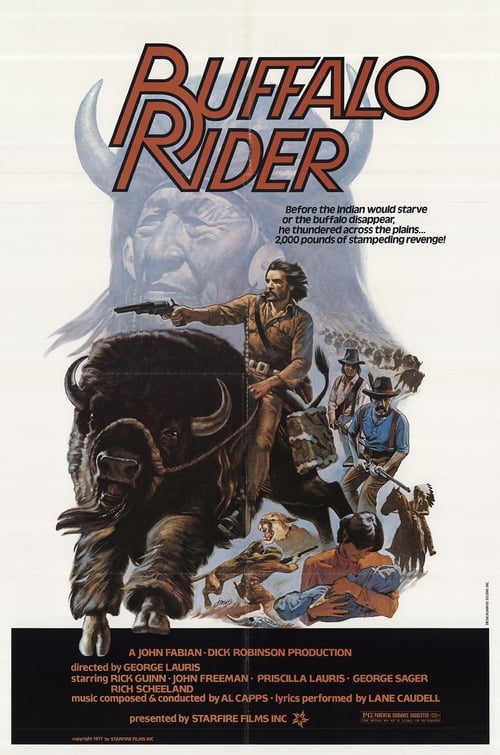
Buffalo Rider
1978
No user ratings available yet
Diversity score: 2.1 out of 10
1987
RDirector
Charles B. Pierce
Runtime
89 minutes
Average Rating
No ratings yetSynopsis
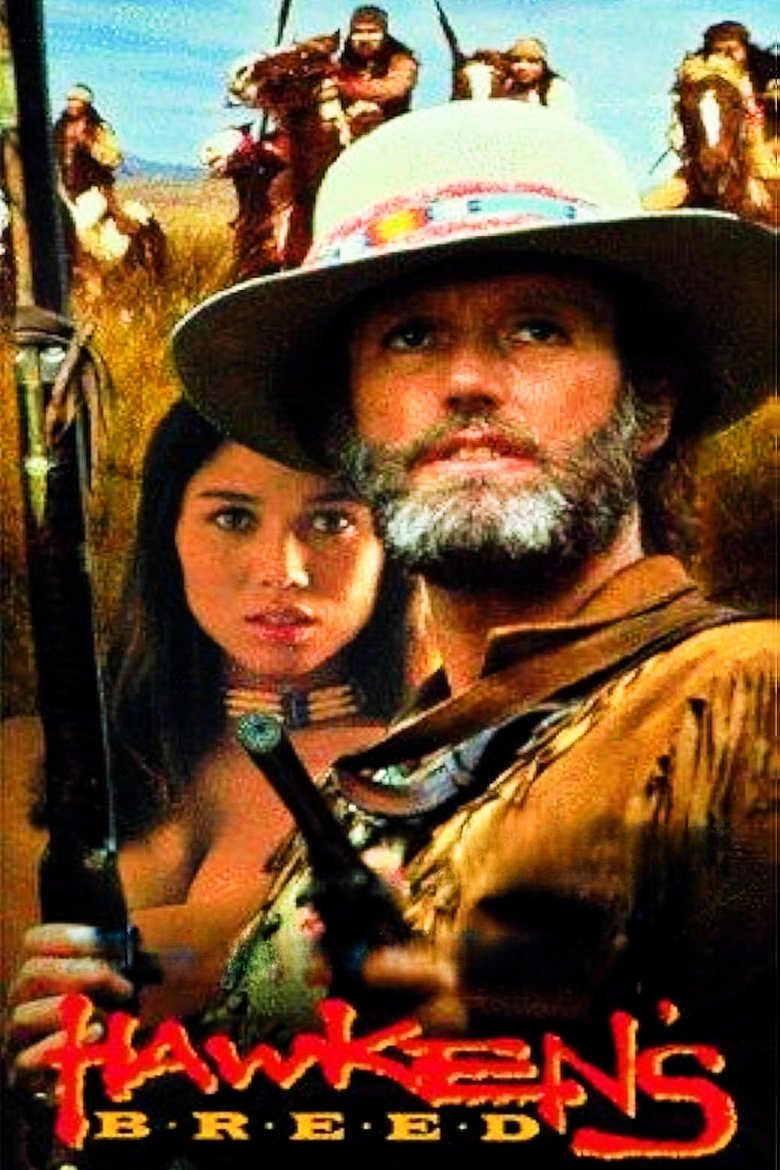
Hawken is a rugged drifter and loner who meets and comes to rescue a young Shawnee woman, named Spirit in 1840s Tennessee, whom he leaves after saving her from a rouge group of Shawnee Indians. After taking up residence with an old fur trapper and old friend named Jeb Kline, Hawken later meets Spirit again whom runs away from a local fur trader named Tackett, whom she is sold to. Soon, Hawken is up against Tackett and a posse of hired killers, as well as a greedy and racist land owner, named Hickman, who's long abused son Noel whom narrates the entire story, comes to his and Spirit's aid to help them survive.
Overall Score
Limited
Category Breakdown
LGBTQ+ Representation
The film follows a conventional heteronormative structure. There is no evidence of non-cisnormative gender identities or same-sex intimacy within the story.
Gender Representation
Traditional gender hierarchies dominate the narrative. Hawken acts as the primary protector, while Spirit is positioned in a state of vulnerability requiring rescue.
Racial & Ethnic Diversity
The inclusion of the Shawnee people provides ethnic diversity. However, these characters often serve as antagonists or subjects needing rescue within a settler-colonial perspective.
Religious & Cultural Diversity
The plot reinforces traditional Western values like frontier justice and individualism. It lacks a critique of the established frontier social order.
Disability Representation
There is no significant evidence regarding the portrayal of physical or neurodivergent disabilities in this film.
Strengths
Areas for Improvement
AI Analysis
Hawken's Breed is a traditional Western that prioritizes rugged individualism and frontier archetypes. The narrative adheres to classical storytelling rather than attempting to subvert social hierarchies or progressive norms. While the film includes diverse ethnic characters like the Shawnee, their agency is often circumscribed by the actions of dominant male characters. The power dynamics lean toward a standard settler-colonial perspective. Ultimately, the film functions as a standard representation of the 19th-century frontier. It reinforces existing social and gendered structures through its protector/protected dynamics and reliance on vigilantism.
No reviews yet. Be the first to share your thoughts on this movie!
Use the rating form above to leave a star rating and optional review.