
Taras Shevchenko
1951
No user ratings available yet
Representation score: 3.3 out of 10
Representation Score
Fair
1964
Director
Volodymyr Denysenko
Runtime
91 minutes
Average Rating
No ratings yetNew Showbiz Analysis
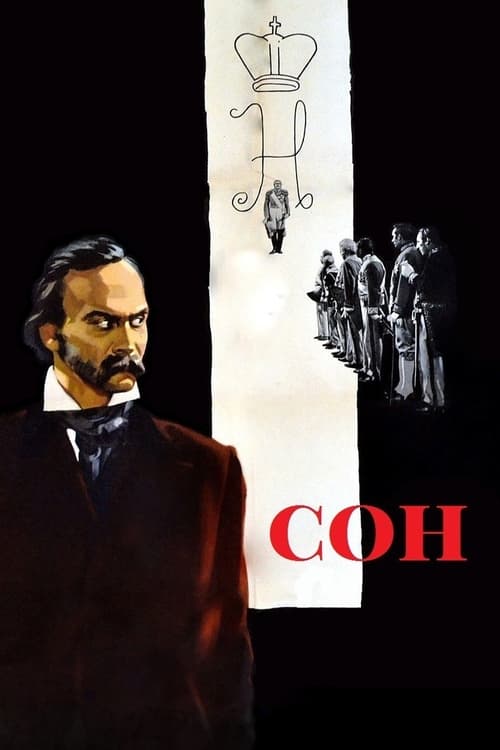
A Dream serves as a powerful cinematic assertion of Ukrainian identity. By focusing on the early life of Taras Shevchenko, the film moves away from rigid Socialist Realism toward a poetic, metaphorical style that reclaims national history. The film excels in ethnic and cultural representation, using the struggle against serfdom to challenge centralized imperial narratives. It provides a sophisticated framework for understanding how underrepresented individuals resist systemic oppression. While the film lacks modern explorations of gender or LGBTQ+ identities, its strength lies in its ability to disrupt historical erasure through highly stylized, culturally specific storytelling.
Category Breakdown
The film does not include explicit LGBTQ+ character arcs or non-cisgender identities. It focuses on the 19th-century life of Taras Shevchenko within the historical context of his time.
As a biography of a male figure, the film centers on masculine experiences. Female characters often serve as symbolic or elemental forces rather than just domestic roles.
The film acts as a significant reclaiming of Ukrainian ethnicity. By focusing on Shevchenko, it challenges imperial dominance and asserts Ukrainian cultural heritage through its emphasis on language and serfdom.
The narrative critiques institutional oppression, particularly the Tsarist autocracy and the institution of serfdom. It highlights the protagonist's rebellious spirit to challenge corrupt power structures.
There is no documented evidence regarding the portrayal of physical or neurodivergent disabilities within the film.
Present on Screen
Limited or Absent
Official Synopsis
Poetic treatment of the early life of Ukrainian poet and painter Taras Shevchenko. A biopic made on the occasion of his 150th anniversary. It dwells on the first part of the Shevchenko's life leading up to the writing of his rebellious poem "A Dream" (A comedy).
1951
1969
1943
2005
1950
1984
1982
1988
No reviews yet. Be the first to share your thoughts on this movie!
Use the rating form above to leave a star rating and optional review.