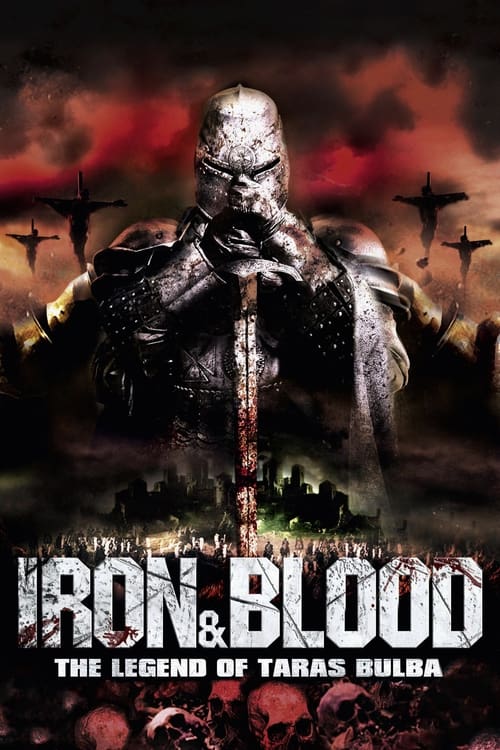
Iron & Blood: The Legend of Taras Bulba
2009
No user ratings available yet
Representation score: 3.5 out of 10

Representation Score
Limited
1941
Director
Ihor Savchenko
Runtime
114 minutes
Average Rating
No ratings yetNew Showbiz Analysis
Bohdan Khmelnytskyi is a historical drama that prioritizes nationalistic mobilization and ethnic unity over diverse social identities. It effectively challenges the perceived nobility of ruling classes, framing them as systemic oppressors. However, the film is heavily influenced by the conservative social norms of the mid-20th century. It relies on traditional masculine archetypes and offers little room for challenging these norms or diverse social identities. Ultimately, the work serves as a vehicle for collective identity and resistance, focusing on the struggle of a specific ethnic group against external political oppression.
Category Breakdown
The film does not include any LGBTQ+ characters or stories that go beyond the assumption that everyone is straight or cisgender. It focuses on traditional masculine figures in leadership and warfare.
The story reinforces traditional gender roles by highlighting the importance of the Hetman and military actions. Women are shown mainly through the lens of vulnerability or domestic life in the face of village destruction.
The film highlights the ethnic identity and struggle of the Zaporozhian Cossacks against Polish nobility. It explores the idea of ethnic unity and resistance against systemic oppression.
The story criticizes the established power structures by portraying the Polish nobility as corrupt aggressors. It presents a narrative of collective resistance against traditional, oppressive aristocratic institutions.
There is no indication of the portrayal of physical or neurodivergent disabilities in the film's narrative.
Present on Screen
Limited or Absent
Official Synopsis
648. Ukraine under the oppression of Poland. Polish nobility committing outrage, burning villages one after another. Hetman of Zaporozhian Cossacks Bohdan Khmelnytskyi gathers the army of defenders of the motherland.
2009
2014
1939
2014
1928
1939

1951
2004
No reviews yet. Be the first to share your thoughts on this movie!
Use the rating form above to leave a star rating and optional review.