
Bohdan Khmelnytskyi
1941
No user ratings available yet
Diversity score: 4.5 out of 10

1951
Director
Ihor Savchenko
Runtime
117 minutes
Average Rating
No ratings yetSynopsis
Growing up in a Ukrainian peasant family, knowing all hardships of serf life, young artist and poet Taras Shevchenko in the years of study clearly identifies the meaning of true art, which is to serve the interests of the people. The poems of Shevchenko are imbued with love for the common people. Fiery freedom-loving creativity of Taras Shevchenko is known throughout Russia. Nicholas I exiles the poet to the distant Caspian fort where he is to serve as an ordinary soldier and is banned from writing or drawing. In the poet's difficult days he has the support of Ukrainian soldier Skobelev, Polish revolutionary Sierakowski, captain Kosarev and the commandant of the fortress, Uskov. For the sake of his release Chernyshevsky and Dobrolyubov are hard at work. And so, the sick and aged Shevchenko is finally free. Together with Chernyshevsky and Dobrolyubov, he dreams of a bright future of the motherland, when the Russian and Ukrainian peoples throw off the chains of slavery.
Overall Score
Fair
Category Breakdown
LGBTQ+ Representation
The film contains no discernible evidence of non-cisnormative gender identities or same-sex intimacy. It adheres strictly to the social constraints of its 19th-century setting and 1951 production era.
Gender Representation
The narrative focuses almost exclusively on male experiences of political struggle and military exile. Female characters appear limited to period-typical archetypes, reinforcing traditional domestic roles rather than subverting power structures.
Racial & Ethnic Diversity
The film provides a robust depiction of ethnic identity by centering the Ukrainian peasant experience. The inclusion of a Polish revolutionary expands the ethnic tapestry, framing a collective movement against imperial power.
Religious & Cultural Diversity
The story prioritizes the interests of the common people over the stability of the Tsarist state. It uses the plight of the serf class to critique rigid class hierarchies and systemic exploitation.
Disability Representation
The film depicts the physical toll of exile and the protagonist's aged, sick state. However, these elements serve as markers of historical realism rather than focused explorations of disability agency.
Strengths
Areas for Improvement
AI Analysis
Taras Shevchenko (1951) is a biographical drama that excels in its portrayal of ethnic and cultural identity. By centering the Ukrainian struggle against Tsarist autocracy, the film successfully deconstructs imperial power hierarchies and highlights the agency of marginalized nationalities. However, the film is significantly limited by its adherence to traditional gender roles and a lack of LGBTQ+ representation. The narrative is driven almost entirely by male political and intellectual pursuits, leaving female characters in secondary, archetypal positions. Ultimately, the film's strength lies in its sophisticated critique of systemic oppression and its celebration of collective national liberation, even if it remains socially conservative in its depiction of gender and identity.
1941

1921
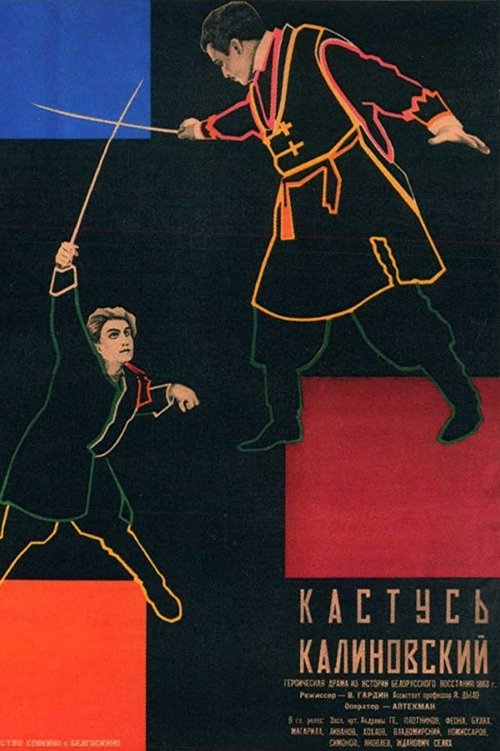
1928
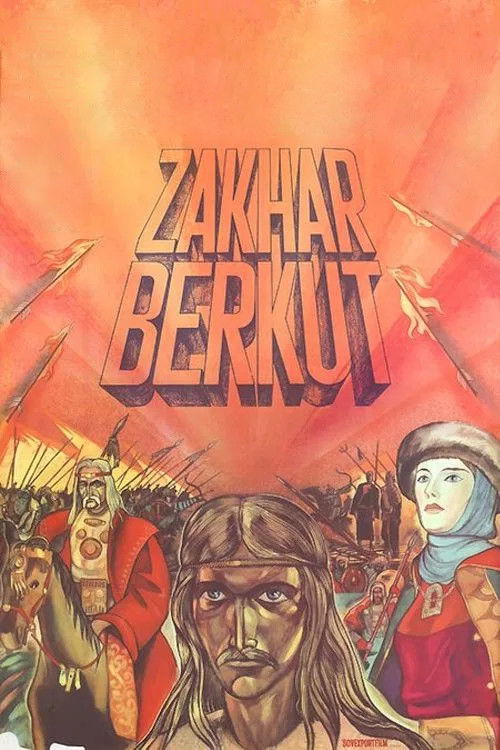
1972
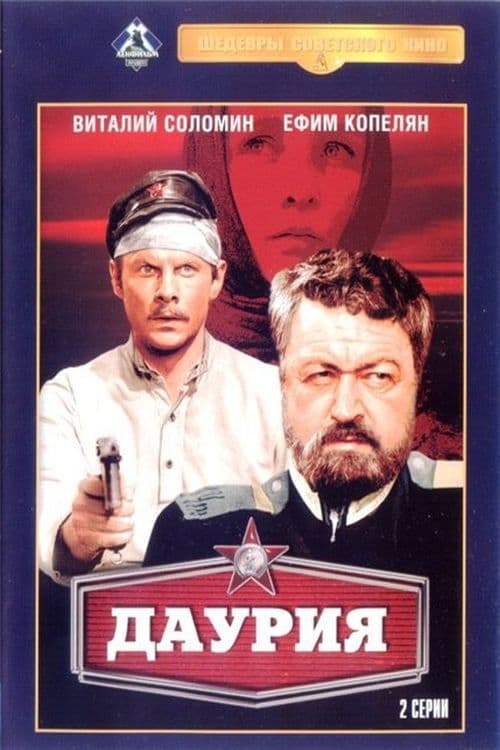
1971
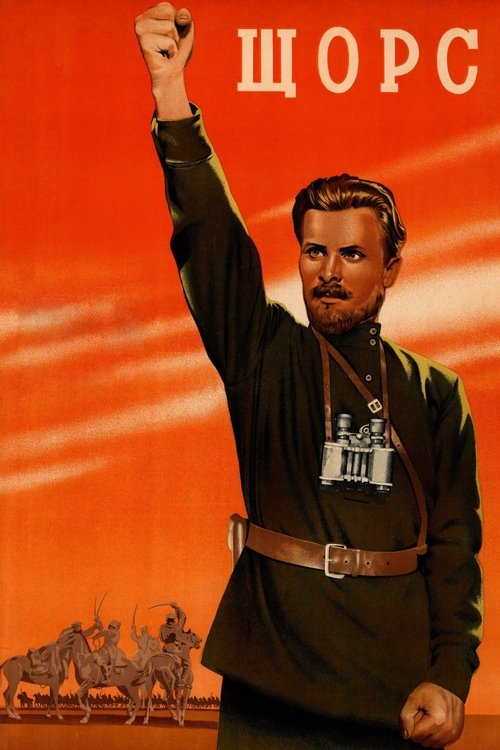
1939
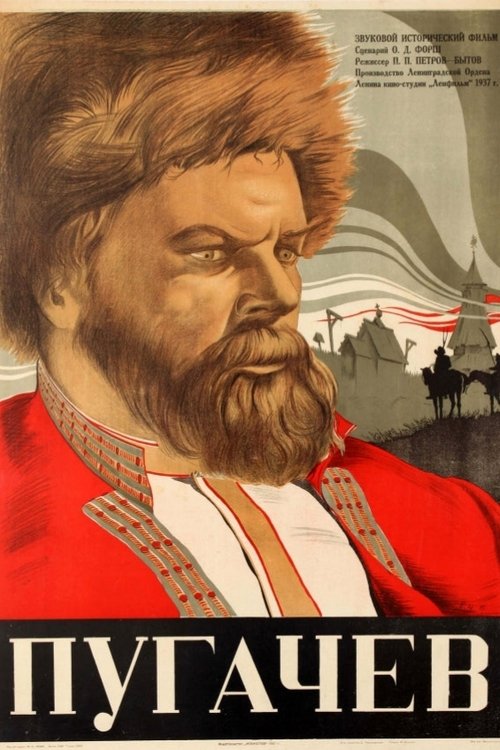
1937
2016
1939

2013
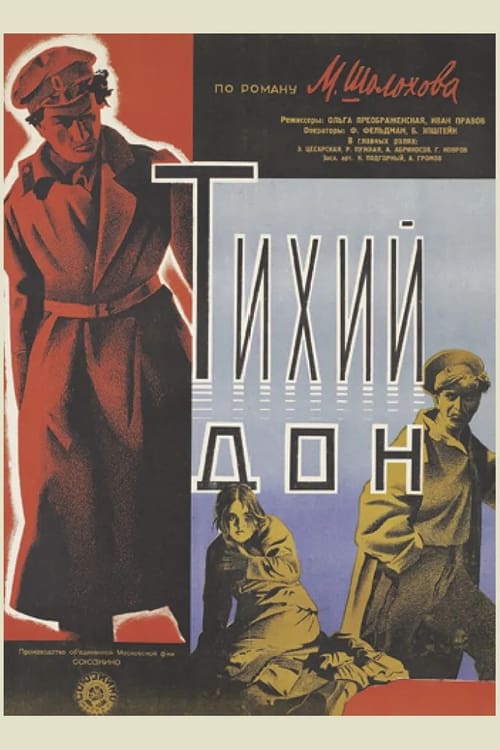
1931
1969
No reviews yet. Be the first to share your thoughts on this movie!
Use the rating form above to leave a star rating and optional review.