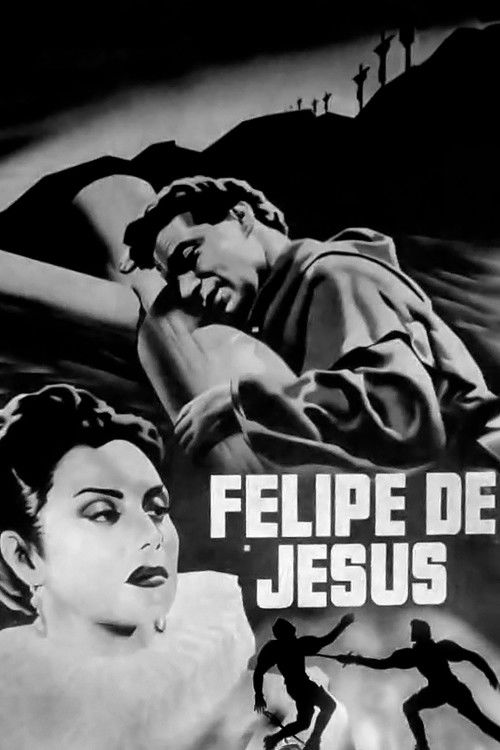
Felipe de Jesús
1949
No user ratings available yet
Representation score: 1.2 out of 10

Representation Score
Fair
1974
Director
Julio Bracho
Runtime
133 minutes
Average Rating
No ratings yetNew Showbiz Analysis
Looking for a Wall succeeds as a disruptive historical narrative that challenges the Anglo-centric canon of art history. By focusing on José Clemente Orozco, the film provides a vital Mexican perspective on the struggle for creative authority within Western hegemony. However, the film remains tied to the social norms of 1970s biographical cinema. It relies on a patriarchal framework that prioritizes the male protagonist's professional journey over diverse gendered or queer perspectives. Ultimately, the film's impact lies in its exploration of post-colonial identity and the tension between artistic intent and institutional power.
Category Breakdown
The film does not include explicit representations of LGBTQ+ identities or queer subtext. There is no clear evidence of queer themes in the story.
The story follows a traditional patriarchal structure focused on a male protagonist. Female characters are primarily shown in supporting or domestic roles.
The film highlights the ethnic identity of a Mexican artist, providing a significant role in driving the story to a non-Anglo-Saxon individual. It challenges the monolithic view of Western art history by showcasing a non-Anglo-Saxon intellectual navigating the New York art scene.
The story engages with anti-establishment themes through muralism. It critiques the capitalist pressures and institutional gatekeeping that govern the global art world.
There is no documented evidence of the portrayal of physical or neurodivergent disabilities in this work.
Present on Screen
Limited or Absent
Official Synopsis
The life of the Mexican muralist José Clemente Orozco and his quest to create a career in New York.
1949

1985

1954

2011

1986

1989

2014
2006
No reviews yet. Be the first to share your thoughts on this movie!
Use the rating form above to leave a star rating and optional review.