
In the Dusk
2019
No user ratings available yet
Diversity score: 6.4 out of 10
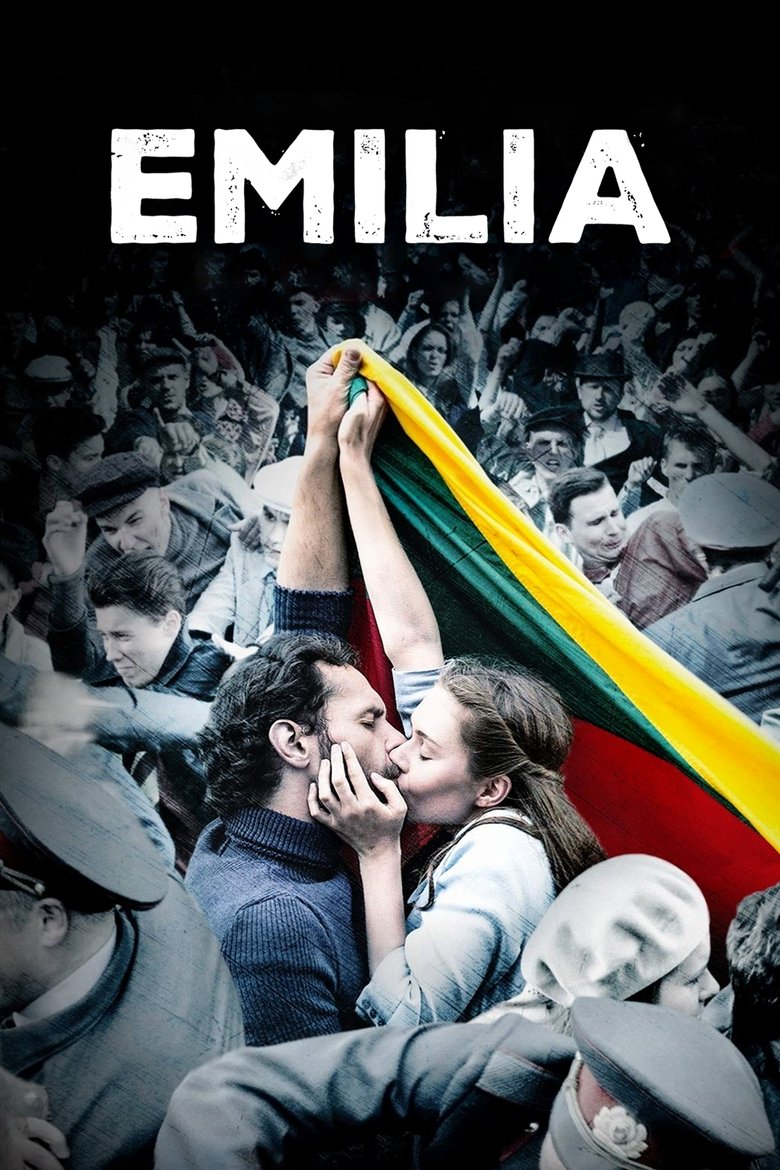
2017
Director
Donatas Ulvydas
Runtime
120 minutes
Average Rating
No ratings yetSynopsis
Soviet Lithuania in 1972. A young theatre actress is trying to make a difference and tell the forbidden story of repression in a play.
Overall Score
Good
Category Breakdown
LGBTQ+ Representation
The film explores forbidden stories within a highly regulated 1972 Soviet landscape. While specific identities are not confirmed, the narrative setting suggests a space where marginalized lives exist outside state norms.
Gender Representation
A female protagonist drives the narrative through intellectual and creative defiance. She challenges passive archetypes by using her agency to confront systemic authority and political repression.
Racial & Ethnic Diversity
The story focuses on Baltic identity within a specific historical context. It uses ethnic identity as a tool to explore sovereignty and resistance against the dominant Soviet hegemony.
Religious & Cultural Diversity
The film centers on anti-authoritarianism and the deconstruction of state-imposed morality. It prioritizes individual truth over the dogma of oppressive institutional structures.
Disability Representation
There is no evidence regarding the inclusion or portrayal of characters with physical or neurodivergent disabilities.
Strengths
Areas for Improvement
AI Analysis
Emilia (2017) is a historical drama that examines the tension between individual agency and state censorship in 1972 Soviet Lithuania. The film succeeds in centering a female protagonist who uses intellectual labor to resist systemic power, providing a strong critique of institutional authority. The narrative functions as a study of cultural resistance, using the medium of theatre to reclaim truth from an oppressive status quo. While the film offers a deep look at ethnic sovereignty and anti-authoritarianism, it lacks specific details regarding LGBTQ+ identities or disability representation. Ultimately, the film serves as a powerful exploration of how marginalized voices attempt to navigate and subvert restrictive social and political frameworks.
2019
1990

2022

2024
2016

2014

2003

2023

2000

2011

2022

2018
No reviews yet. Be the first to share your thoughts on this movie!
Use the rating form above to leave a star rating and optional review.