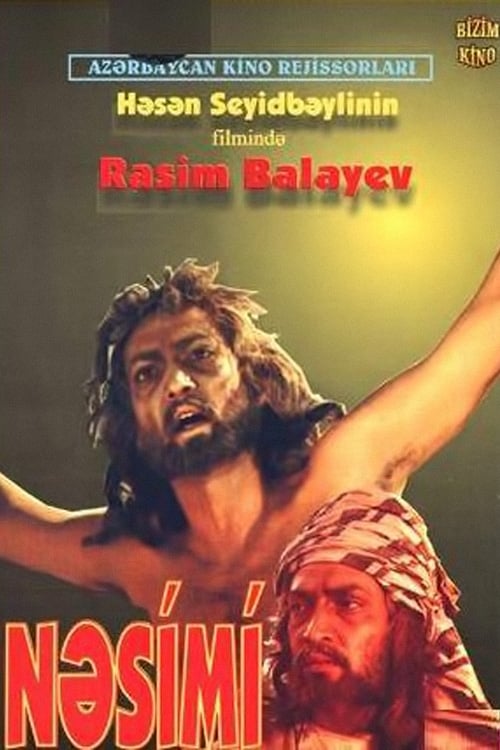
Nasimi
1974
No user ratings available yet
Representation score: 6.0 out of 10
Representation Score
Fair
1982
Director
Eldar Quliyev
Runtime
126 minutes
Average Rating
No ratings yetNew Showbiz Analysis
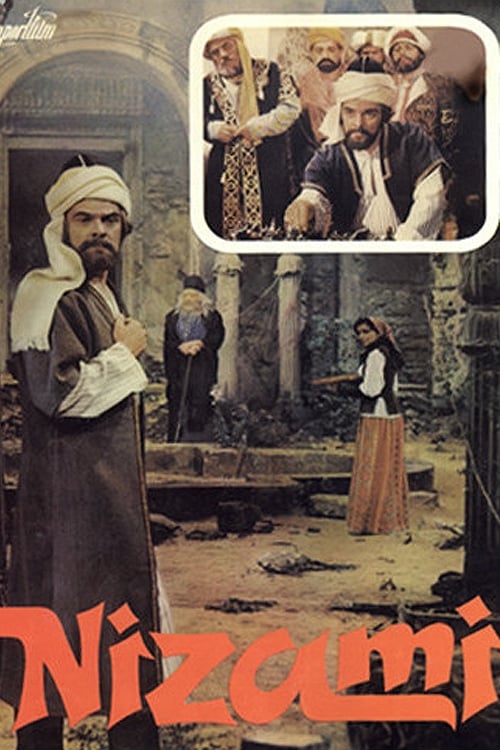
Nizami is a significant shift from typical Western-centric historical epics. By focusing on the 12th-century poet Nizami Ganjavi, the film offers a unique perspective on Eastern intellectual history and Persianate culture. However, the film’s historical and temporal context restricts its multi-layered scope. The narrative likely adheres to traditional medieval social structures, limiting visibility for LGBTQ+ identities and women primarily defined by their relationship to the central male figure. Ultimately, the film’s strength lies in disrupting Anglo-Saxon dominance in the biographical drama genre, despite lacking modern markers of gender and queer representation.
Category Breakdown
Given the 1982 production and 12th-century setting, there is no indication of LGBTQ+ identities. The narrative likely aligns with the social structures of the time.
Although Hamida Omarova is prominently featured, the film likely centers on male figures following the 'Great Man' theory. Women may appear as muses or family members rather than primary agents.
The film stands out by focusing on an Azerbaijani/Persian historical figure. It challenges Western-centric historical dramas by highlighting the intellectual legacy of the East.
By elevating a non-Western philosopher, the film highlights Eastern intellectual traditions. However, it may still follow the cultural norms prevalent in 1982 Soviet society.
There is no evidence that disability or neurodivergence plays a central role in the character arcs.
Present on Screen
Limited or Absent
Official Synopsis
The historical film about great Azerbaijan poet and philosopher Nizami Ganjavi's life.
1974
1969
1984
2014
1943
2011
2010
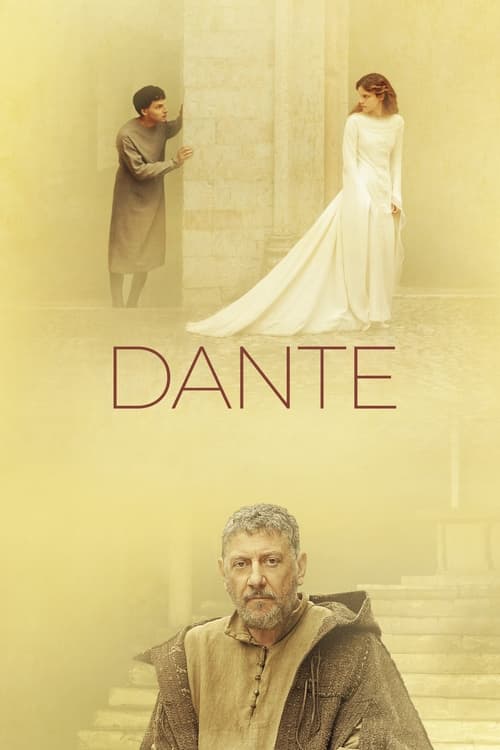
2022
No reviews yet. Be the first to share your thoughts on this movie!
Use the rating form above to leave a star rating and optional review.