Hissein Habré, A Chadian Tragedy
2016
No user ratings available yet
Diversity score: 6.9 out of 10
2016
Director
Belisario Franca
Runtime
79 minutes
Average Rating
No ratings yetSynopsis
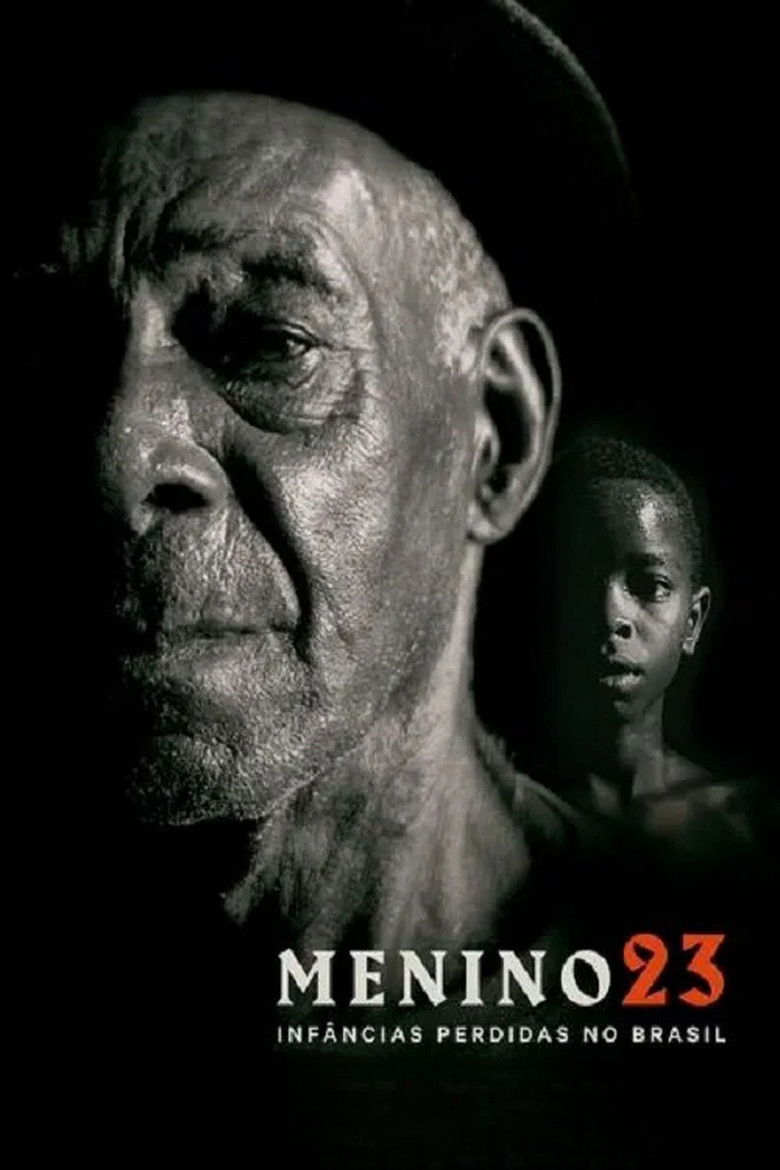
The film accompanies the investigation of the historian Sidney Aguilar after the discovery of bricks marked with Nazi swastikas in the interior of São Paulo. They then discover a horrifying fact that during the 1930s, fifty black and mullato boys were taken from an orphanage in Rio de Janeiro to the farm where the bricks were found. There they were identified by numbers and were submitted to slave labour by a family that was part of the political and economic elite of the country and who did not hide their Nazi sympathizing ideals.
Overall Score
Good
Category Breakdown
LGBTQ+ Representation
The film focuses on the trauma of sexual exploitation rather than queer identity. It addresses violations of bodily autonomy through the lens of victimization rather than identity-based agency.
Gender Representation
The narrative subverts traditional masculinity by portraying male authority figures as predatory. It highlights the vulnerability of male victims against institutionalized power structures.
Racial & Ethnic Diversity
The documentary centers the lived experiences of Black and mixed-race populations. It exposes how racial hierarchies were weaponized by the Brazilian elite to justify systemic exclusion.
Religious & Cultural Diversity
The film critiques the Catholic Church and state institutions as complicit in oppression. It portrays these traditional pillars as corrupt structures used to facilitate systemic violence.
Disability Representation
While not focusing on physical disabilities, the film explores the profound psychological consequences of abuse. It treats survivor trauma with depth within a socio-political context.
Strengths
Areas for Improvement
AI Analysis
Boy 23 is a powerful investigative documentary that centers the historical erasure of Black and mixed-race children in Brazil. It successfully dismantles sanitized national histories by exposing the intersection of Nazi-aligned ideologies and institutional corruption. The film excels in its racial and cultural critique, transforming marginalized subjects from footnotes into the heart of the narrative. It effectively challenges the moral authority of the political and religious elites who orchestrated this exploitation. However, the film's focus on systemic trauma limits its exploration of specific identities, such as LGBTQ+ or neurodivergent experiences. The narrative prioritizes the socio-political causes of suffering over the nuances of individual identity-based agency.
2016
2018
2009

2013
2016
2013
1989

1995
2011
2006
2001
2014
No reviews yet. Be the first to share your thoughts on this movie!
Use the rating form above to leave a star rating and optional review.