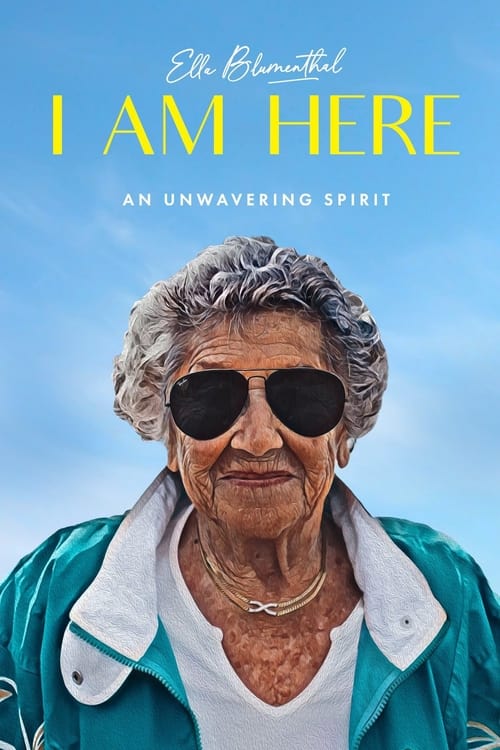
I Am Here
2021
No user ratings available yet
Representation score: 8.8 out of 10
Representation Score
Excellent
2013
Director
Malcolm Clarke
Runtime
39 minutes
Average Rating
No ratings yetNew Showbiz Analysis
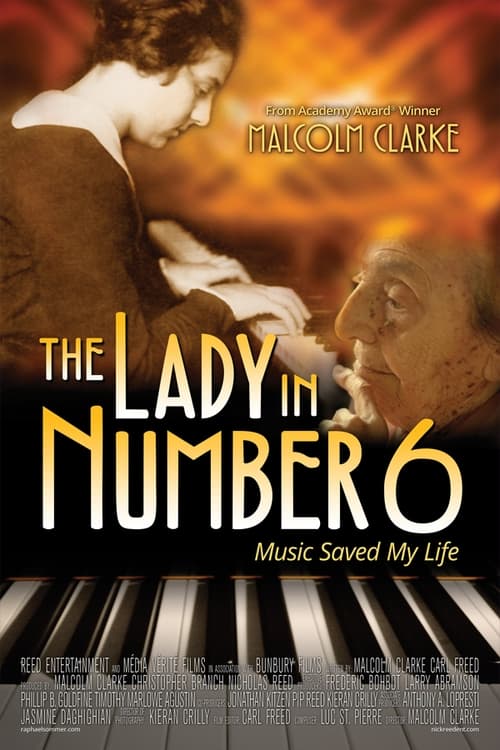
The film succeeds by centering the ability to act of Alice Herz-Sommer, shifting the focus from the mechanics of the Holocaust to her internal liberation through music. It effectively highlights individual resilience and intellectual autonomy while deconstructing systemic oppression. While the documentary provides a profound look at Jewish identity and the failure of Western institutions, it remains a narrow biographical study. It does not explicitly engage with contemporary identity politics or diverse representation beyond the central subject's experience. Ultimately, the work functions as a powerful study of survival. It moves past traditional victimhood clichés to present a underrepresented individual as the primary driver of her own narrative arc.
Category Breakdown
The film does not provide explicit information about LGBTQ+ identities. It focuses on a historical figure without emphasizing these specific identity markers.
The documentary highlights a female protagonist who plays a significant role in driving the story. It challenges passive depictions of women by showcasing her mastery of the piano and psychological strength.
The film offers meaningful representation of Jewish identity and the experiences of the Prague diaspora. It provides depth to a underrepresented historical perspective through the life of its subject.
The narrative examines the failure of state structures and emphasizes music as a means of survival. It focuses on subjective experience and spiritual resilience rather than rigid religious or nationalist ideologies.
The film touches on the psychological resilience needed to cope with extreme trauma. However, it does not include specific portrayals of characters with visible physical or neurodivergent disabilities.
Present on Screen
Limited or Absent
Official Synopsis
The story of Alice Herz-Sommer, a German-speaking Jewish pianist from Prague who was, at her death, the world's oldest Holocaust survivor. She discusses the importance of music, laughter, and how to have an optimistic outlook on life.
2021
1998
2016
1985
2017

2014
2021
2012
No reviews yet. Be the first to share your thoughts on this movie!
Use the rating form above to leave a star rating and optional review.