
The Abolitionists
2016
No user ratings available yet
Representation score: 3.9 out of 10
Representation Score
Excellent
2018
Director
Zachary Fink, Alyssa Fedele
Runtime
80 minutes
Average Rating
No ratings yetNew Showbiz Analysis
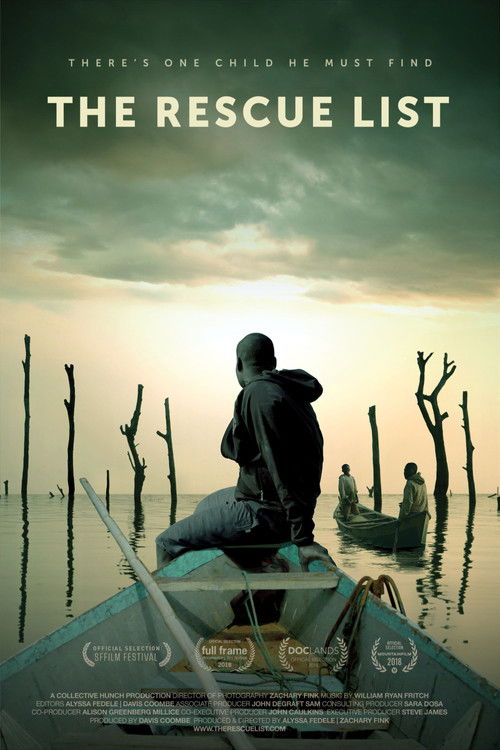
The Rescue List provides a meaningful engagement with racial and cultural complexities by focusing on the systemic exploitation of children. It centers on the lived experiences of those impacted by global injustice and the reclamation of ability to act. While the film excels in highlighting non-Western social crises and the movement of underrepresented people, it lacks specific detail regarding gender dynamics and LGBTQ+ representation. The portrayal of trauma also remains ambiguous regarding disability ability to act. Ultimately, the documentary serves as a powerful critique of institutional power and human rights failures, prioritizing humanitarian intervention over traditional stability.
Category Breakdown
The film does not include any documented LGBTQ+ characters or themes. The narrative focuses primarily on the liberation of children and their family reunifications.
The story centers on the ability to act of the rescuers and the survival of children. While it challenges exploitative hierarchies, specific gendered roles or subversions are not explicitly detailed.
The documentary addresses systemic racial and ethnic exploitation through the lens of children escaping slavery. It highlights the experiences of underrepresented individuals reclaiming ability to act from oppressive systems.
The film critiques Western-centric views of stability by highlighting human rights crises in non-Western contexts. It prioritizes humanitarian ethics over traditional state or capitalist structures.
The narrative touches on the psychological and physical trauma of slavery. However, it is unclear if these conditions are explored with specific ability to act or used as markers of victimhood.
Present on Screen
Limited or Absent
Official Synopsis
Two boys escape from slavery, spend a year in a rehabilitation shelter, and eventually reunite with their families. Meanwhile, the man who rescued them launches another mission to liberate more children.
2016

2020

2018

2021
2014

2004

2017

2021
No reviews yet. Be the first to share your thoughts on this movie!
Use the rating form above to leave a star rating and optional review.