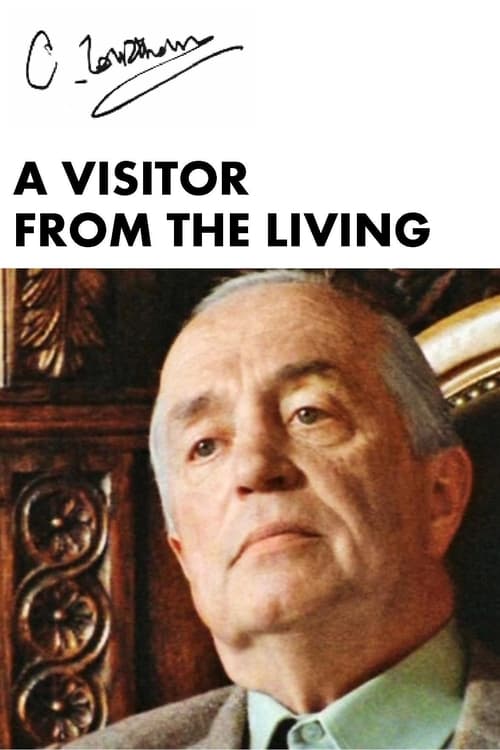
A Visitor from the Living
1999
No user ratings available yet
Representation score: 6.1 out of 10
Representation Score
Fair
2001
Not RatedDirector
Claude Lanzmann
Runtime
102 minutes
Average Rating
No ratings yetNew Showbiz Analysis
Claude Lanzmann’s documentary is a rigorous piece of historical testimony rather than a film designed for broad demographic representation. Its primary value lies in its intense focus on the Jewish experience and the active resistance of those who fought against the Sobibor extermination camp. The film excels at centering ethnic identity and disrupting traditional historical perspectives by prioritizing survivor testimony. It transforms victims from passive subjects into active agents of resistance through the documentation of their revolt. However, the specialized nature of this historical tragedy limits its multi-layered breadth. Because the subject matter is so specific to the Holocaust, it lacks representation for LGBTQ+ identities or neurodivergent perspectives.
Category Breakdown
The film focuses strictly on the Jewish experience during the Holocaust and does not address LGBTQ+ narratives or non-cisgender identities.
The documentary provides a window into the lived experiences of men and women within the camp system. It maintains a neutral stance on gender-specific social dynamics.
The work offers a profound exploration of Jewish identity and ethnic persecution. It documents the active resistance of victims against systemic oppression.
The film serves as a critique of extremist, state-driven oppression. It deconstructs the moral vacuum of the Nazi regime and its catastrophic ideological dominance.
The documentary implicitly addresses the extreme physical and psychological trauma of survivors. It acknowledges the lasting impact of systemic violence on the human body.
Present on Screen
Limited or Absent
Official Synopsis
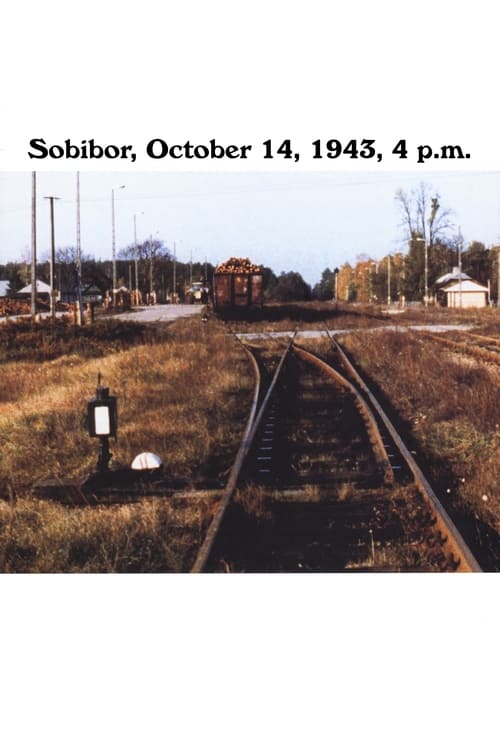
Documentary interview with Yehuda Lerner, who at 17 participated in a prisoner revolt at the Nazi-run Sobibor extermination camp. Originally filmed for inclusion in Lanzmann's 1985 documentary Shoah.
1999
1985
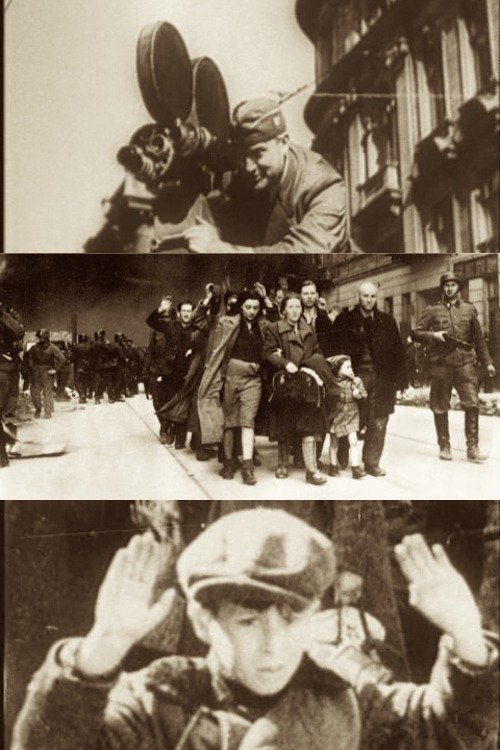
1942
1998
2000
1987
2010
2015
No reviews yet. Be the first to share your thoughts on this movie!
Use the rating form above to leave a star rating and optional review.