
In the Name of Reason
1979
No user ratings available yet
Representation score: 8.5 out of 10
Representation Score
Excellent
2016
Director
Armando Mendz, Daniela Arbex
Runtime
90 minutes
Average Rating
No ratings yetNew Showbiz Analysis
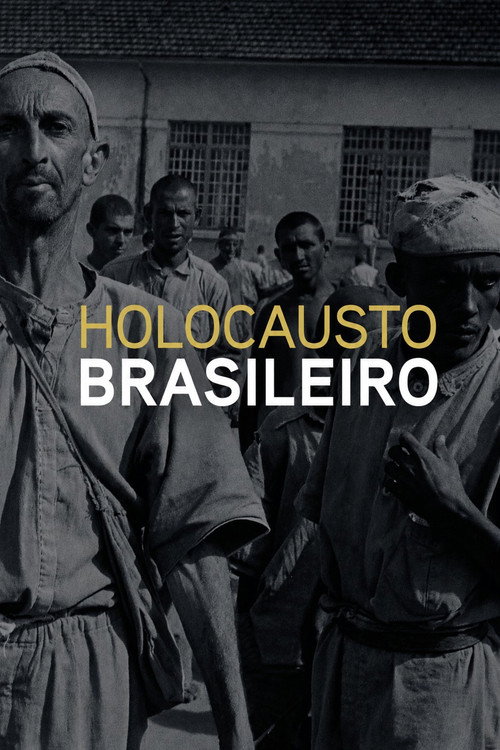
Brazilian Holocaust is a profound examination of systemic institutional failures. It succeeds by highlighting the humanity of the disenfranchised rather than presenting their suffering as mere spectacle. The film effectively uses the Colônia hospital as a lens to examine broader patterns of social exclusion. The documentary's greatest strength lies in its refusal to normalize the dysfunction of state-sanctioned institutions. By focusing on the intersection of race, class, and mental health, it offers a necessary critique of how Brazil's social order historically treated its most vulnerable citizens. While the film is highly impactful, its focus on historical institutional abuse means certain identity-specific representations are limited by the era's context. However, the overarching critique of societal standards provides a strong framework for understanding underrepresented identities.
Category Breakdown
The film highlights how deviation from social norms was considered abnormal and punished. While specific LGBTQ+ identities are limited by the historical context, the narrative shows how assumptions about straight relationships fueled institutional punishment.
The documentary challenges traditional gender roles by depicting how both men and women faced the same dehumanizing violence. It illustrates the state's power to forcibly break family ties and destroy the domestic sphere.
The film explores how race and economic status intersected with mental health in Brazil. It emphasizes how systemic neglect disproportionately affected underrepresented racial and socioeconomic groups through state-sponsored violence.
The narrative stands out by criticizing Western-aligned institutional practices and the failure of religious morality. It centers on the voices of victims to expose the cruelty in state-run 'civilizing' missions.
This is the film's strongest area, offering a powerful look at neurodivergence. It restores ability to act to the disabled by documenting their lived experiences and humanity, as labeled 'insane' by society.
Present on Screen
Limited or Absent
Official Synopsis
Award-winning journalist Daniela Arbex examines the horrors of the Colônia psychiatric hospital, where more than 60,000 people were killed over decades.
1979

2002

2007

2019

1988

1967
2017

1998
No reviews yet. Be the first to share your thoughts on this movie!
Use the rating form above to leave a star rating and optional review.