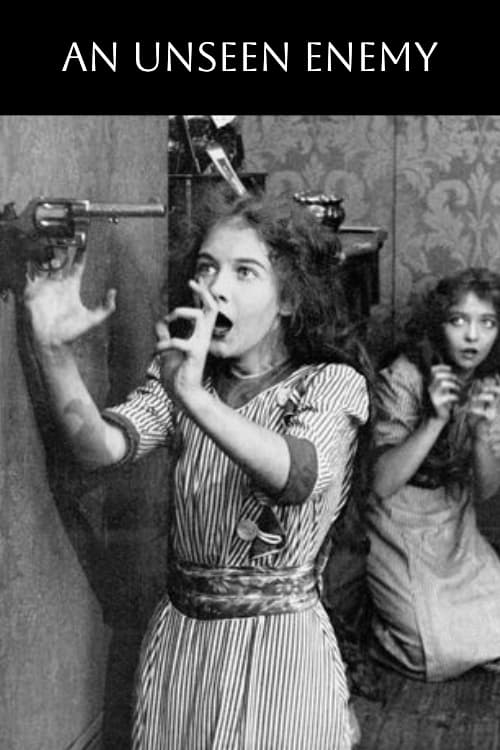
An Unseen Enemy
1912
No user ratings available yet
Representation score: 0.8 out of 10
Representation Score
Limited
1913
NRDirector
D.W. Griffith
Runtime
17 minutes
Average Rating
No ratings yetNew Showbiz Analysis
This film is a product of early 20th-century melodrama, emphasizing tension and traditional social hierarchies over diverse perspectives. It relies heavily on established clichés that reinforce existing power structures. Representation is minimal, with the narrative centered on a white-centric worldview and conventional gender roles. Characters often serve as archetypes—such as the vulnerable wife or the unstable patient—rather than nuanced individuals. Ultimately, the work functions as a standard morality tale of its time, lacking depth in addressing multiple aspects of diversity or any meaningful challenge to the status quo.
Category Breakdown
The film does not include any characters with LGBTQ+ identities or non-cisgender experiences. The story centers around a typical family conflict without any queer undertones.
The narrative relies on the 'damsel in distress' cliché, featuring a young wife in a vulnerable situation. Women are portrayed as having limited influence within this patriarchal setting.
The film adheres to the homogenous casting standards of 1913, focusing on a white-centric storyline without diverse ethnic representation.
Themes revolve around individual criminal behavior and domestic danger rather than cultural critique. The narrative operates within a conventional framework emphasizing law and social order.
Mental health issues are primarily used as a plot device to create tension. The portrayal of the patient may risk framing neurodivergence solely through the lens of instability.
Present on Screen
Limited or Absent
Official Synopsis
A potentially violent patient in an insane asylum is calmed when he hears a nurse playing the piano. But shortly afterwards he breaks free, eludes his pursuers, and acquires a gun. He soon comes to a house where a young wife is home alone, and there is a tense confrontation.
1912

1926
1909
1986
1916
1927
1914
1932
No reviews yet. Be the first to share your thoughts on this movie!
Use the rating form above to leave a star rating and optional review.