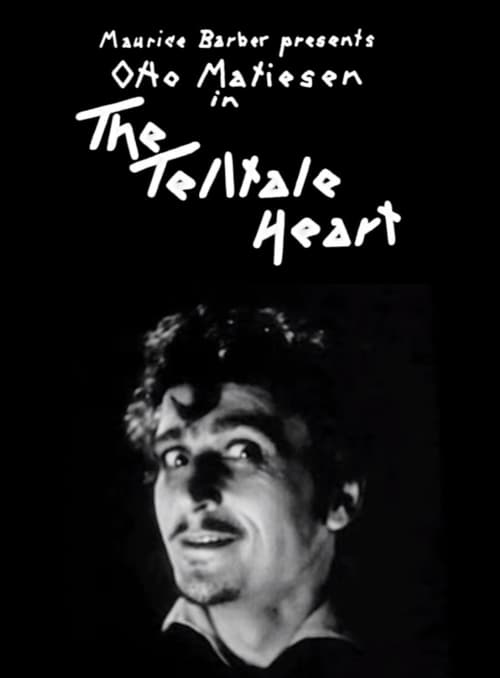
The Telltale Heart
1928
No user ratings available yet
Representation score: 1.8 out of 10
Representation Score
Minimal
1914
NRDirector
D.W. Griffith
Runtime
83 minutes
Average Rating
No ratings yetNew Showbiz Analysis
D.W. Griffith's film reinforces traditional Western social and moral structures. The narrative relies on established binaries and conventional hierarchies rather than challenging them. While the film delves into psychological horror, it does so to validate ethical boundaries rather than provide nuanced representation of identity. The focus remains on a singular, traditionalist worldview regarding gender and morality.
Category Breakdown
The film centers on a heterosexual relationship and family conflicts. It does not include any characters with non-binary gender identities or same-sex relationships.
Gender roles follow traditional hierarchies. The female character serves as a catalyst for the male protagonist's journey rather than having her own independent role.
The cast is homogeneous, reflecting typical Western casting practices of the silent era. It lacks racial or ethnic diversity.
The story relies on a traditional moral framework. It emphasizes the consequences of breaking social and spiritual laws through a conservative perspective.
Psychological distress is portrayed as a spiritual consequence of guilt. There is no specific representation of neurodivergence or mental health conditions.
Present on Screen
Limited or Absent
Official Synopsis
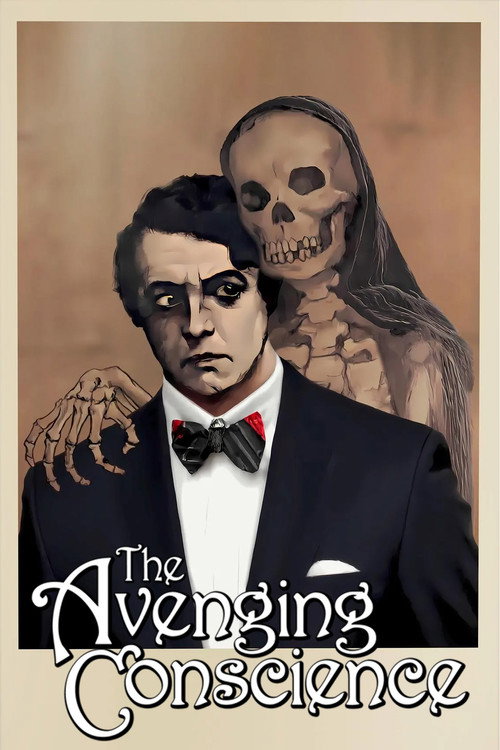
Thwarted by his despotic uncle from continuing his love affair, a young man's thoughts turn dark as he dwells on ways to deal with his uncle. Increasingly convinced that murder is merely a natural part of life, he kills his uncle and hides the body. However, the man's conscience awakens; paranoia sets in and nightmarish visions begin to haunt him.
1928
1920
1915
1928
1913
1925
1972
1919
No reviews yet. Be the first to share your thoughts on this movie!
Use the rating form above to leave a star rating and optional review.