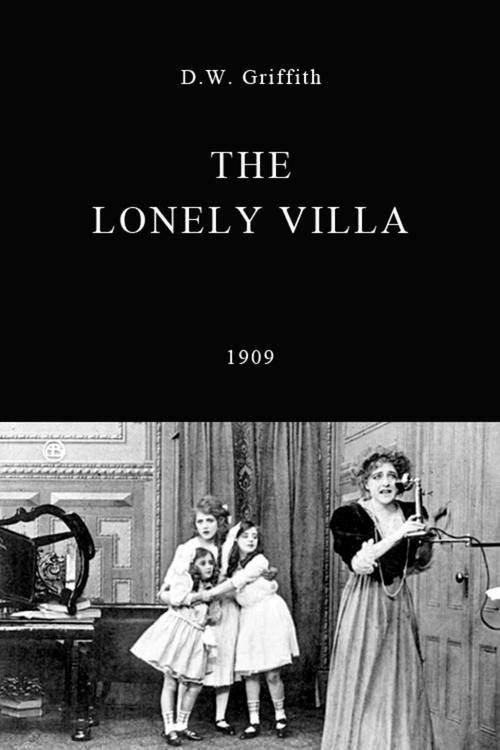
The Lonely Villa
1909
No user ratings available yet
Representation score: 0.4 out of 10

Representation Score
Minimal
1912
NRDirector
D.W. Griffith
Runtime
12 minutes
Average Rating
No ratings yetNew Showbiz Analysis
The Painted Lady is a period-typical melodrama that prioritizes traditional social hierarchies and conventional moral conflicts. It functions as a snapshot of early cinematic archetypes rather than a work of systemic subversion. The film's structure is driven by male control, specifically through the father's strictness and the burglar's criminal intent. This reinforces domestic hierarchies rather than challenging them. Ultimately, the work lacks complexity in reflecting multiple aspects of identity and adheres to the social and casting norms of its era, focusing on a narrow, traditionalist worldview.
Category Breakdown
The story focuses on a heterosexual relationship. There are no representations of LGBTQ+ identities or critiques of heterosexuality.
The narrative relies on traditional gender roles and male dominance. The female character is defined by her father's control and her physical appearance.
The film likely reflects the homogeneous casting norms of early silent cinema. It appears to follow the standard Anglo-Saxon focus typical of 1912.
The film emphasizes social propriety and parental authority within a Western domestic setting. It upholds traditional concepts of law, order, and the sanctity of the home.
The narrative contains no mention of characters with visible or invisible disabilities.
Present on Screen
Limited or Absent
Official Synopsis
A lonely young woman lives with her strict father who forbids her to wear make-up. One day at an ice cream social, she meets a young man you seems interested in her. However, unknown to her, he is a burglar who is only interested in breaking into her father's house. One night she is awakened by a noise.
1909

1920
1912

1927

1919

1929

1912
1912
No reviews yet. Be the first to share your thoughts on this movie!
Use the rating form above to leave a star rating and optional review.