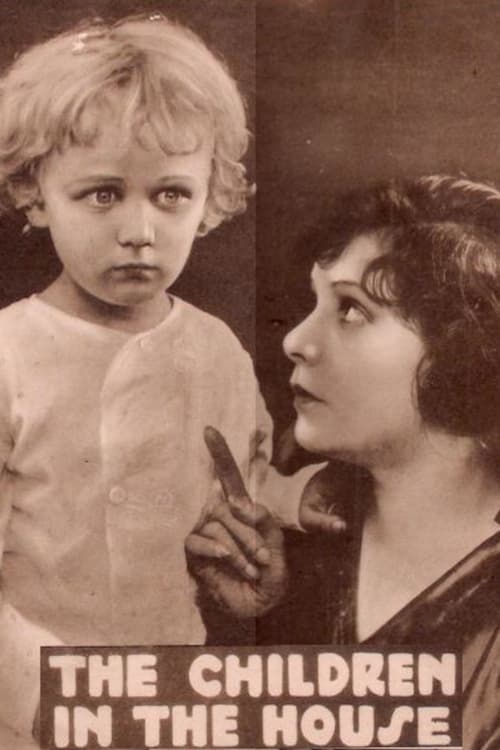
The Children in the House
1916
No user ratings available yet
Representation score: 1.7 out of 10
Representation Score
Minimal
1919
Director
D.W. Griffith
Runtime
80 minutes
Average Rating
No ratings yetNew Showbiz Analysis
This period drama adheres to the social and moral norms of 1919, focusing on themes of domesticity and moral consequences rather than the complexities of intersecting identities. The protagonist's actions are framed through traditional altruism, reinforcing established hierarchies rather than challenging them. The film reflects the standards of its time, lacking the diversity and critique of Western institutions needed for a progressive perspective.
Category Breakdown
The film is set in the early 20th century and does not include any non-straight or non-cisgender identities or narratives that challenge the assumption that everyone is straight or cisgender.
Nellie Jarvis is a strong female character, but her role is centered around traditional domestic virtues and self-sacrifice for her family.
The film depicts a homogeneous society typical of the time, with no indication of a diverse or non-Anglo-Saxon cast.
The story follows a conventional moral path, emphasizing the struggle between evil and love, reinforcing traditional values and the sanctity of the family.
The story includes themes of poverty and orphanhood but does not specifically address the portrayal of physical or neurodivergent disabilities.
Present on Screen
Limited or Absent
Official Synopsis
Young Nellie Jarvis, daughter of a wandering couple, witnesses the murder of a woman by a man and his wife. Years later, "Little Miss Yes'm", as Nellie is known, returns to the area as an orphan. Locals Mr. and Mrs. Hilton, though poverty stricken, take her into their family. Fully integrated with the loving Hiltons, she wishes to relieve them of their financial strain. Nellie travels to a nearby farmhouse to gain employment from depraved Martin Cain and his paranoid wife.
1916

1920
1926

1929
1915
1912

1911
1920
No reviews yet. Be the first to share your thoughts on this movie!
Use the rating form above to leave a star rating and optional review.