
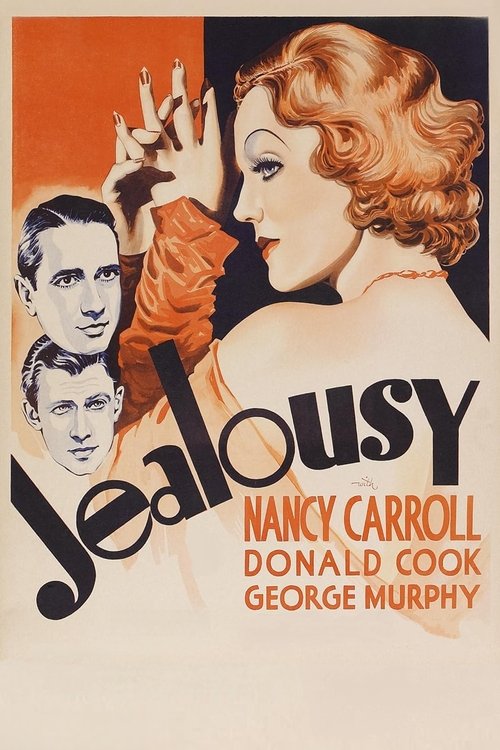
Jealousy
1953
No user ratings available yet
Representation score: 1.0 out of 10
Representation Score
Limited
1938
Director
Jeff Musso
Runtime
85 minutes
Average Rating
No ratings yetNew Showbiz Analysis
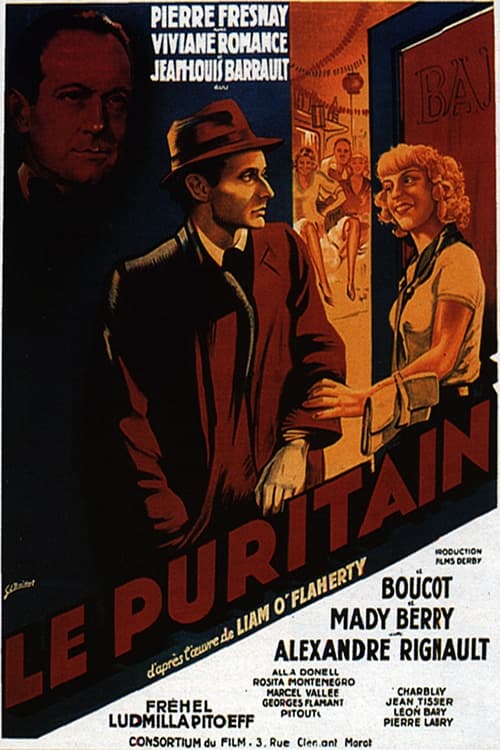
The Puritan is a psychological character study that questions the stability of strict ideological systems. It effectively challenges the idea that religious fanaticism is strong by showing it as a destructive force. However, the film sticks to traditional narrative structures. It lacks diversity in racial and LGBTQ+ representation and uses classic tragic clichés where female influence is overshadowed by male crises. Overall, while the film delves into complex psychological themes, it does so through a narrow lens that reflects the era's limited social diversity.
Category Breakdown
The story focuses on a heterosexual relationship. There are no characters with non-binary genders or sexual orientations, nor does it question the assumption that everyone is straight or cisgender.
The film uses traditional gender roles. The female character mainly triggers the male protagonist's psychological issues and violent behavior.
The film seems to depict a homogeneous society with few diverse characters. It does not show a variety of racial backgrounds or non-Anglo-Saxon cultures.
The narrative criticizes religious extremism. It portrays fanaticism as a source of mental instability and harm rather than a positive moral force.
The main character experiences severe mental health issues. However, his psychological breakdown is used as a plot device rather than a detailed look at neurodivergence.
Present on Screen
Limited or Absent
Official Synopsis
A religious fanatic finds his entire life and philosophy turned upside-down as he falls in love with a girl and kills her in a jealous rage. His search is for peace of mind and a desire to justify the murder of the girl to himself. His mind becomes distraught as he gropes trying to rationalize his deed and his world falls apart around him. A police inspector patiently and tirelessly stays on Barrault's trail, without putting him under arrest, though convinced he is the murderer, and waiting for the moment when he feels Barrault will break under the strain of his own religious fanaticism.
1953

1939
1928
1938
1923
1950
1934
1953
No reviews yet. Be the first to share your thoughts on this movie!
Use the rating form above to leave a star rating and optional review.