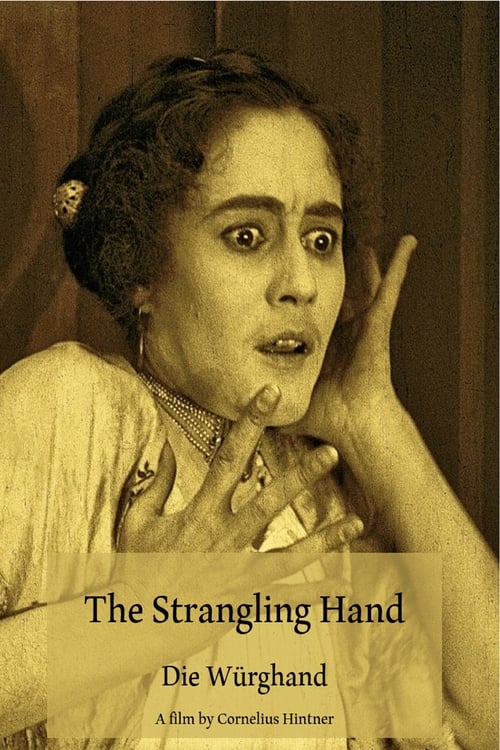
The Strangling Hand
1920
No user ratings available yet
Representation score: 2.0 out of 10
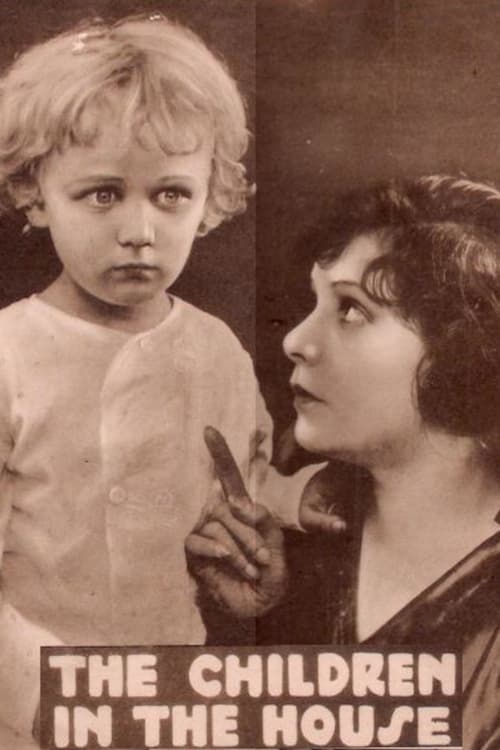
Representation Score
Minimal
1916
NRDirector
Sidney Franklin, Chester M. Franklin
Runtime
50 minutes
Average Rating
No ratings yetNew Showbiz Analysis
The film is a typical silent-era drama that follows the conventional clichés of its time. It centers on domestic instability and individual criminality rather than identity-based critiques or challenges to broader social structures. While the protagonist serves as an emotional anchor, the plot remains tied to traditional gender roles. The husband's role as a criminal disrupts the stable provider cliché but does not challenge broader social hierarchies. Overall, the production lacks the intentionality needed for modern multi-layered representation, reflecting the homogeneous social norms of 1916.
Category Breakdown
The film does not include any LGBTQ+ characters or stories that question the assumption that everyone is straight or cisgender. The main conflict revolves around a troubled marriage.
A woman serves as the emotional anchor while dealing with her husband's infidelity. However, her role is largely reactive to his actions rather than proactive.
There is no evidence of a diverse cast. The production seems to follow the homogeneous casting norms of early 20th-century American cinema.
The story follows a traditional moralistic framework focused on infidelity and crime. It does not challenge Western institutions or systemic oppression.
The narrative does not provide any information about the depiction of physical, neurodivergent, or mental health conditions.
Present on Screen
Limited or Absent
Official Synopsis
A woman is stuck with an unfaithful husband until he is killed robbing a bank.
1920

1920
1915

1927
1925
1919
1911
1919
No reviews yet. Be the first to share your thoughts on this movie!
Use the rating form above to leave a star rating and optional review.