A Bill of Divorcement
1940
No user ratings available yet
Representation score: 2.8 out of 10
Representation Score
Limited
1958
Not RatedDirector
Mervyn LeRoy
Runtime
136 minutes
Average Rating
No ratings yetNew Showbiz Analysis
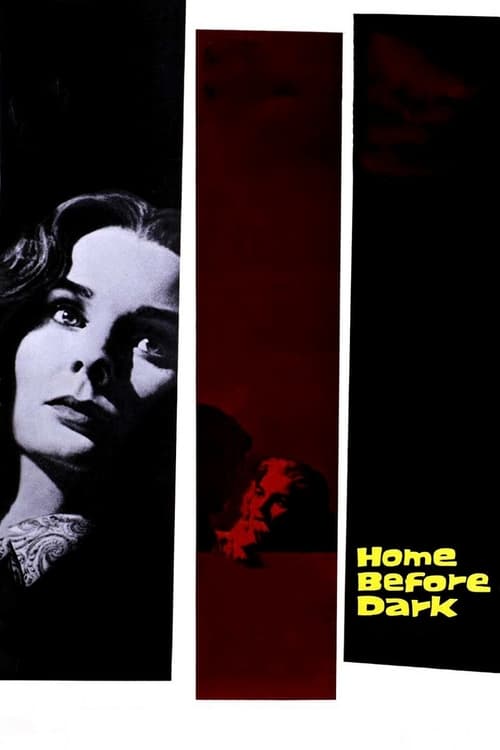
Home Before Dark is a typical mid-century social drama that prioritizes traditional domesticity and conventional moral frameworks. While it offers a character-driven exploration of the emotional complexities of maternal and daughterly relationships, it remains firmly rooted in the social hierarchies of 1958. The film’s focus on internal emotional labor provides some depth to its female characters, yet it fails to challenge the prevailing patriarchal order. The narrative structure relies on standard familial clichés rather than offering systemic critique or multi-layered representation. Ultimately, the production reflects the homogeneity of its time. It lacks racial diversity and queer representation, functioning instead as a study of middle-class respectability and the tension between public image and private reality.
Category Breakdown
The film adheres to the assumption that everyone is straight or cisgender, with no representation of queer narratives or non-straight identities.
Women play a significant role in managing family secrets, showcasing their emotional ability to act within the domestic sphere. However, these roles do not challenge the prevailing patriarchal structures.
The film lacks significant racial diversity, depicting predominantly white, middle-class families as the norm. The setting reflects a homogeneous social stratum.
The narrative emphasizes the importance of social standing and the preservation of the family unit. It does not offer any anti-Western, anti-capitalist, or secularist critiques.
A character's return from a mental institution serves as a central plot point. The portrayal likely relies on era-specific clichés to drive familial tension.
Present on Screen
Limited or Absent
Official Synopsis
A young woman returns home after being institutionalized in a mental hospital.
1940
1948

1976

1961
1966
1976
1957
1965
No reviews yet. Be the first to share your thoughts on this movie!
Use the rating form above to leave a star rating and optional review.