The Lonely Villa
1909
No user ratings available yet
Diversity score: 1.3 out of 10
1909
NRDirector
D.W. Griffith
Runtime
11 minutes
Average Rating
No ratings yetSynopsis
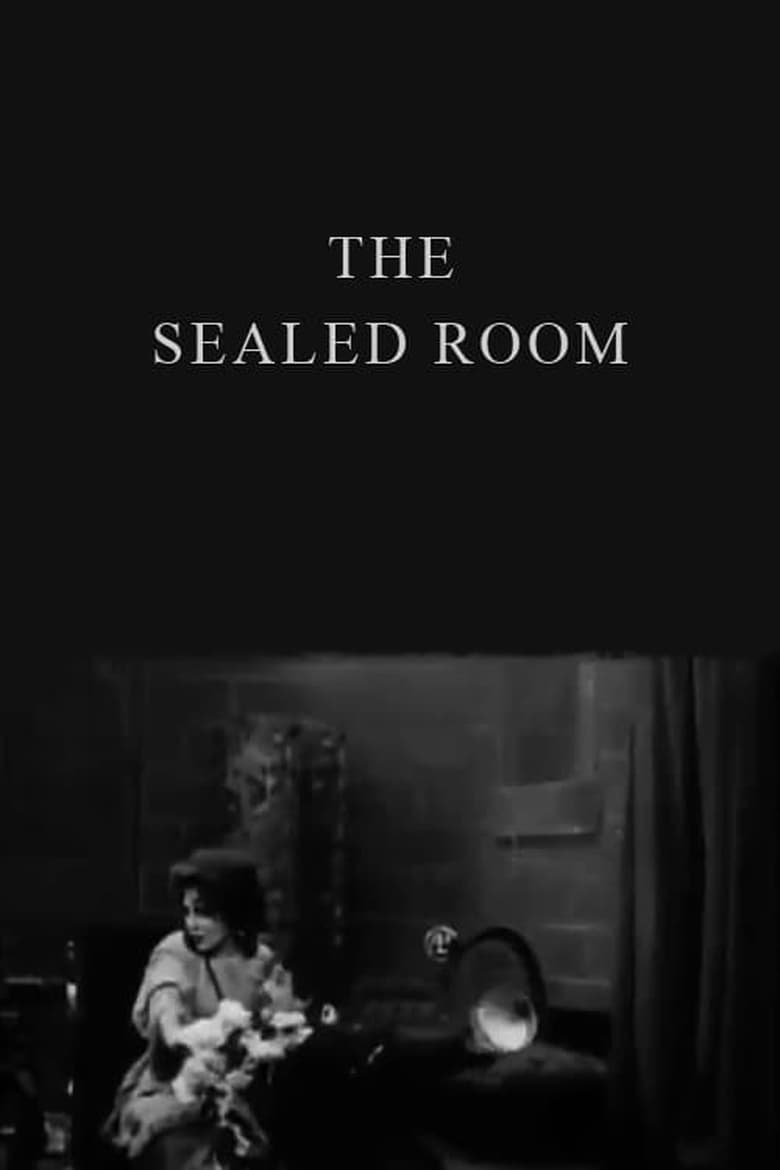
The Count sets out to make a private room for him and his Countess, built in such a way no one can see, hear, and most importantly, disturb them. But unbeknownst to the Count, his wife has set her eyes on the court minstrel. Based on Edgar Allan Poe's “The Cask of Amontillado” and Honoré de Balzac's “La Grande Breteche”.
Overall Score
Limited
Category Breakdown
LGBTQ+ Representation
The film lacks any evidence of non-cisnormative identities or same-sex intimacy. The plot centers on a heteronormative romantic conflict between a Count, a Countess, and a minstrel.
Gender Representation
Gender roles follow traditional early 20th-century tropes. While the Countess shows agency through her infidelity, the narrative remains rooted in archetypes of male possession and female transgression.
Racial & Ethnic Diversity
The setting suggests a homogeneous white cast typical of European aristocratic depictions in 1909. There is no indication of diverse casting or non-Anglo-Saxon characters with agency.
Religious & Cultural Diversity
The story operates within established Western aristocratic and marital structures. It utilizes themes of obsession and betrayal without critiquing the social hierarchies it portrays.
Disability Representation
There is no evidence of characters with visible or invisible disabilities being portrayed as central narrative elements or possessing agency.
Strengths
Areas for Improvement
AI Analysis
The film is a period-typical melodrama that relies heavily on established social hierarchies. It reflects the conventional storytelling frameworks of the early silent film era rather than attempting to subvert them. Narrative agency is limited to traditional romantic conflicts, such as infidelity and domestic control. The work lacks intersectional complexity, focusing instead on the archetypes of the era. Ultimately, the production reinforces the monolithic demographic standards of 1909, presenting a world defined by Western nobility and standard gendered power dynamics.
1909

1912
1914
1909
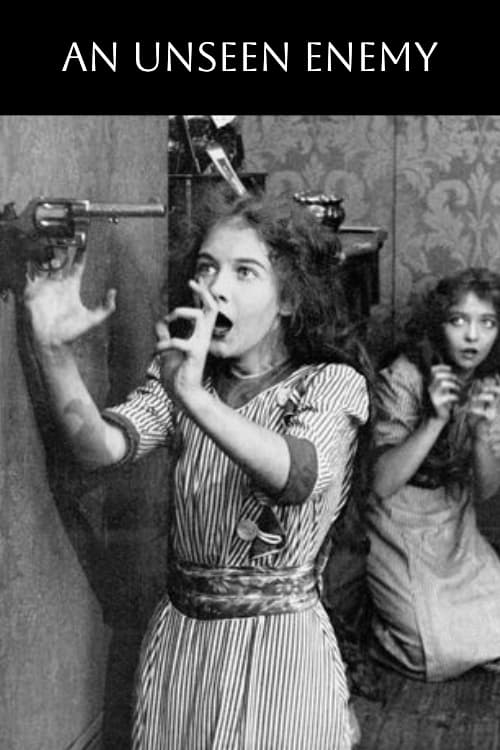
1912

1909
No reviews yet. Be the first to share your thoughts on this movie!
Use the rating form above to leave a star rating and optional review.