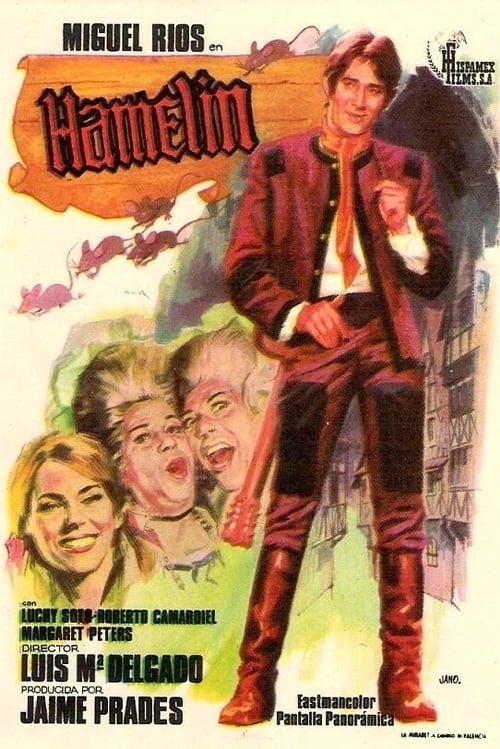
Hamelín
1969
No user ratings available yet
No diversity score available
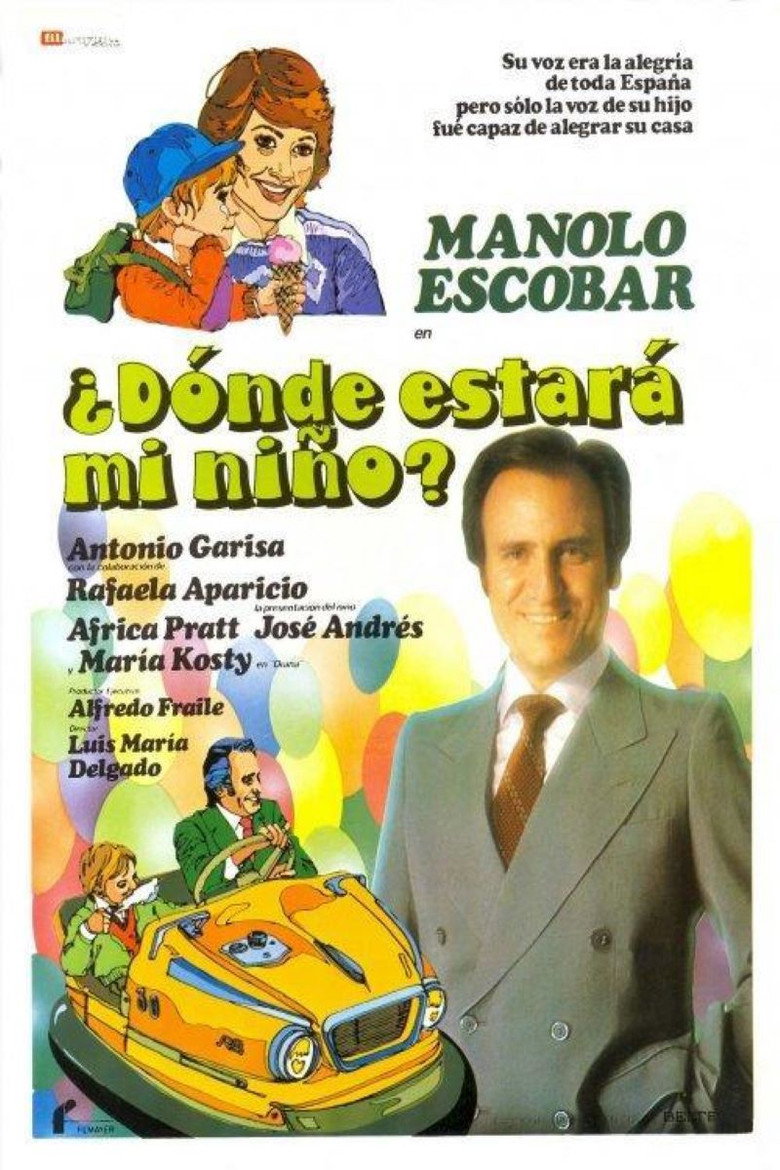
1981
Director
Luis María Delgado
Runtime
87 minutes
Average Rating
No ratings yetSynopsis
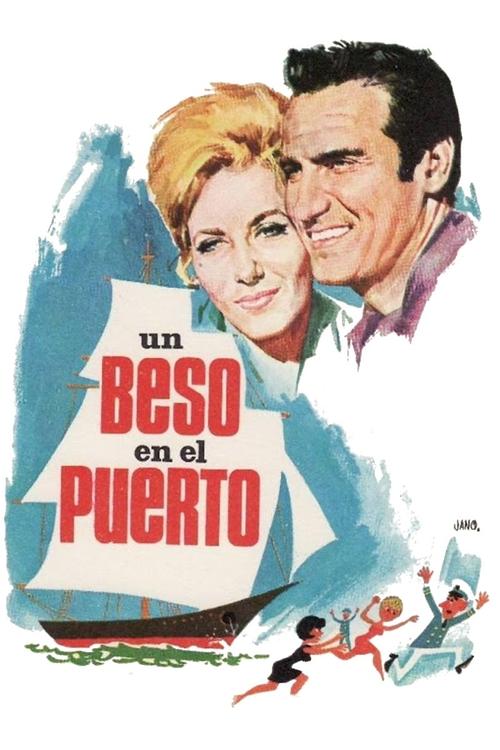
Manolo is a famous singer who has a brief affair with Diana, a beautiful hitchhiker. Diana becomes pregnant and gives birth to a child, Lito, the Manolo ignores their existence. Seven years later, Diana wants her son Manolo meet and therefore decided to look for him. However, when he is suffering a great disappointment because Manolo does not remember her. One person who remembers the father Manolo, who follows that Lito is his grandson and both plan unite Manolo and Diana.
Overall Score
Limited
Category Breakdown
LGBTQ+ Representation
The film centers on a heteronormative romantic encounter and its biological consequences. There is no evidence of non-cisnormative identities or critiques of traditional romantic structures.
Gender Representation
Manolo occupies a position of high social status and agency as a famous singer. Diana drives the plot, yet the power dynamic reflects a conventional hierarchy where the male is the central object of pursuit.
Racial & Ethnic Diversity
The narrative focuses on class and celebrity status rather than ethnic complexity. The film lacks specific details regarding intersectional identities or diverse ethnic casting.
Religious & Cultural Diversity
The story relies on traditional concepts of biological lineage and the nuclear family unit. It centers on restoring family connections rather than challenging established social institutions.
Disability Representation
The film contains no mention of characters with visible or invisible disabilities. There is no representation of neurodivergence or chronic health conditions.
Strengths
Areas for Improvement
AI Analysis
The film operates as a conventional comedy rooted in the social expectations of the early 1980s. It prioritizes traditional familial tropes, specifically the pursuit of paternal legitimacy and the restoration of a nuclear family unit. Narrative agency is unevenly distributed, with the male protagonist holding significant social power and status. The plot architecture reinforces established romantic and biological structures rather than deconstructing them. Ultimately, the work lacks intersectional depth, focusing on celebrity and class dynamics rather than diverse identities or progressive social frameworks.
1969
1964
1967

1989
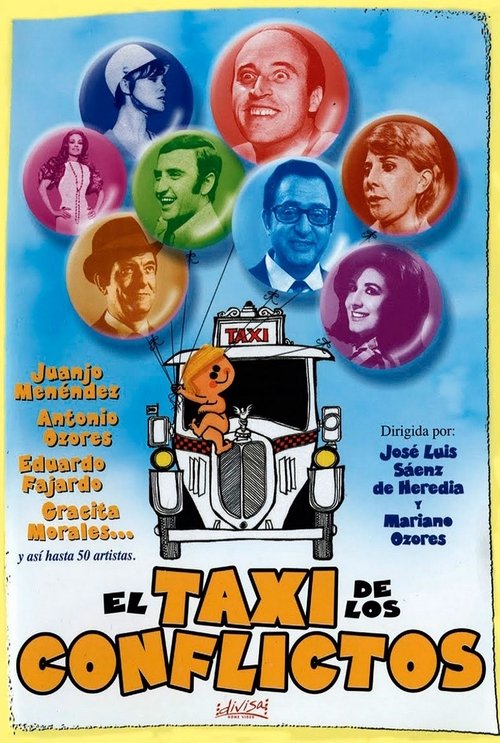
1969
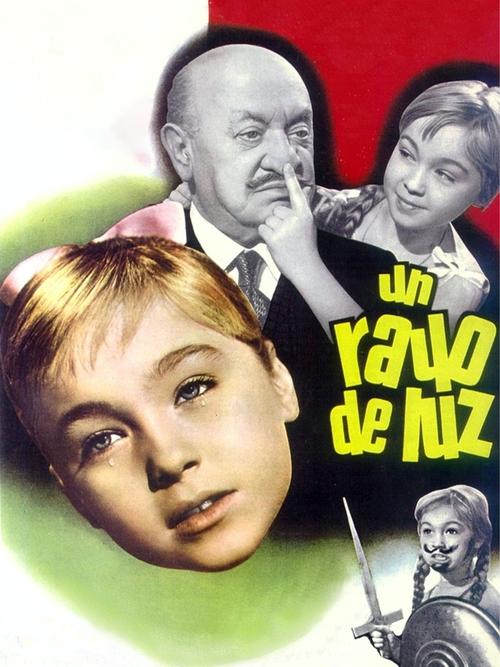
1960
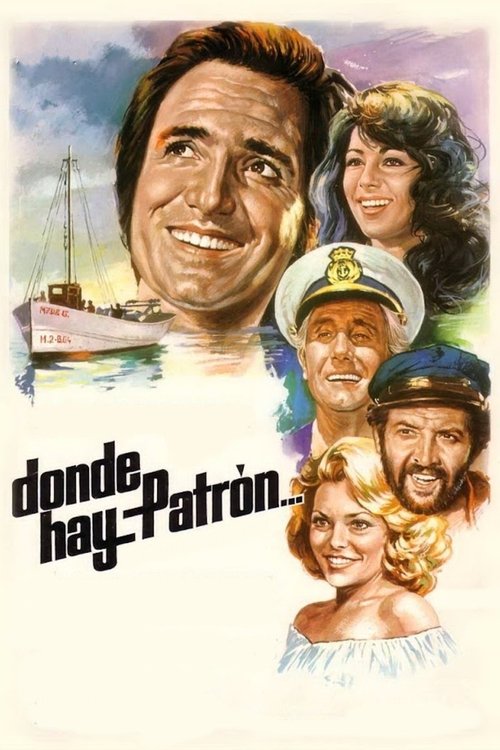
1978

1979
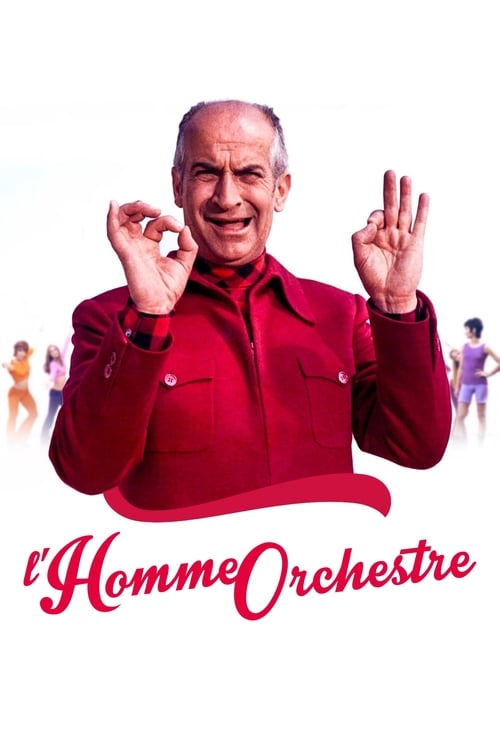
1970

1967

1967
1966
No reviews yet. Be the first to share your thoughts on this movie!
Use the rating form above to leave a star rating and optional review.