
Relaciones casi públicas
1968
No user ratings available yet
Representation score: 2.7 out of 10
Representation Score
Minimal
1966
Director
Ramón Torrado
Runtime
0 minutes
Average Rating
No ratings yetNew Showbiz Analysis
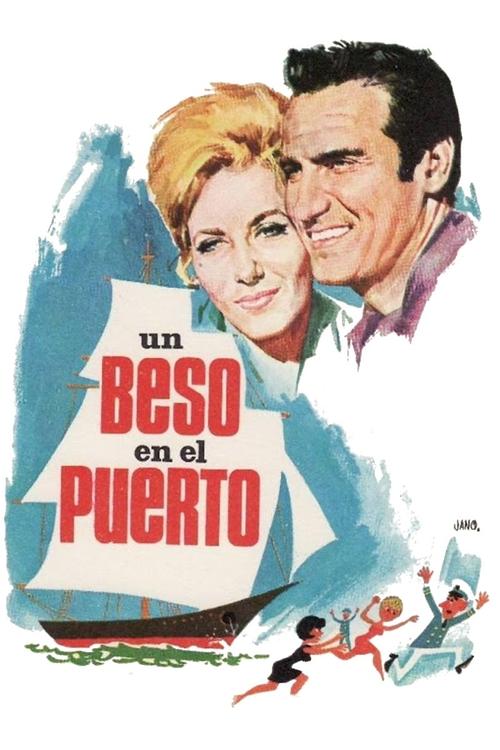
Un beso en el puerto is a conventional social portrait deeply rooted in the traditionalist foundations of 1960s Spanish cinema. The film prioritizes romantic melodrama over any form of multi-layered exploration, reflecting the systemic constraints of the Francoist period. Its narrative architecture reinforces established social hierarchies and Catholic morality. Rather than challenging familiar patterns, the film functions as a product of its specific historical and geopolitical context, emphasizing domesticity and traditional values.
Category Breakdown
The film does not depict any LGBTQ+ identities, adhering to the strict social and censorship standards of 1960s Spain.
While the female protagonist drives the emotional core, her story remains within traditional hierarchies. The focus centers on romantic conflict and domesticity rather than women's ability to drive the story.
The production reflects a homogeneous Mediterranean demographic typical of the era. There is no evidence of significant non-white representation or race-bent casting.
The narrative reinforces traditional Western institutions and Catholic morality. It operates as a reinforcement of the prevailing social order rather than a critique of it.
There is no documented evidence regarding the portrayal of physical or neurodivergent disabilities in this work.
Present on Screen
Limited or Absent
1968
1957
1969

1955
1963

1979

1958

1973
No reviews yet. Be the first to share your thoughts on this movie!
Use the rating form above to leave a star rating and optional review.