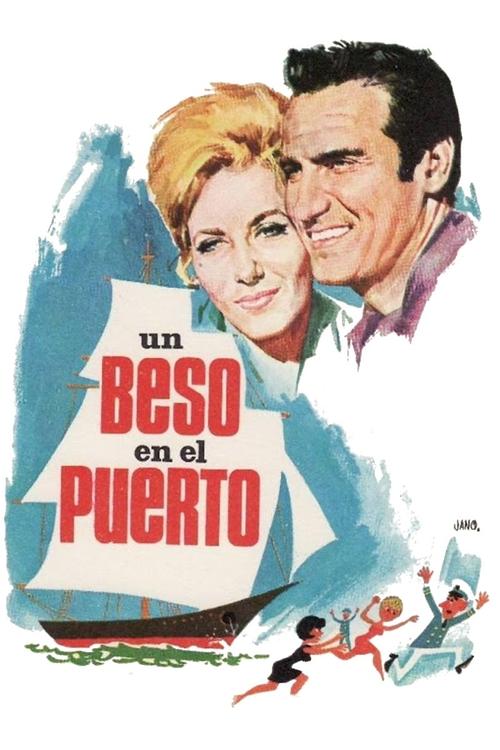
Un beso en el puerto
1966
No user ratings available yet
Representation score: 0.4 out of 10

Representation Score
Minimal
1967
Director
Ramón Torrado
Runtime
91 minutes
Average Rating
No ratings yetNew Showbiz Analysis
El padre Manolo is a product of its specific historical and cultural milieu, functioning as a traditional period piece. The narrative prioritizes established social institutions and conventional character archetypes, offering very little engagement with diverse identities. The film's structure reflects the social constraints of 1967 Spain. By centering on a member of the clergy, the story reinforces religious and moral stability rather than exploring secularism or broader cultural perspectives. Ultimately, the film lacks the intentional subversion of traditional power dynamics or the demographic variety required for a more inclusive representation.
Category Breakdown
The film does not include any LGBTQ+ characters or narratives that challenge the assumption that everyone is straight or cisgender. It follows the traditional social structures common in mainstream 1967 Spanish cinema.
While the protagonist has individual ability to act through his unique skills, the narrative likely adheres to the gendered hierarchies of the era. There is no evidence of female characters driving the plot.
The production reflects a homogeneous demographic typical of its time and place. It lacks the diverse ethnic casting or race-bending found in modern storytelling.
The story centers on a priest, positioning religious institutions as central to the social fabric. The plot reinforces traditional moral frameworks rather than offering systemic critiques.
There is no documented evidence regarding the inclusion of characters with physical or neurodivergent disabilities.
Present on Screen
Limited or Absent
Official Synopsis
Padre Manolo, priest, magician and singer, starts a private investigation on what seems to be a murder...
1966
1978
1969

1973
1957
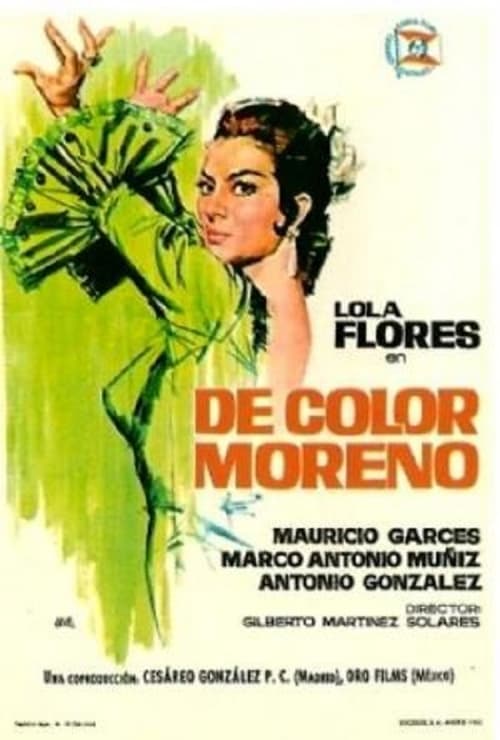
1963
1975
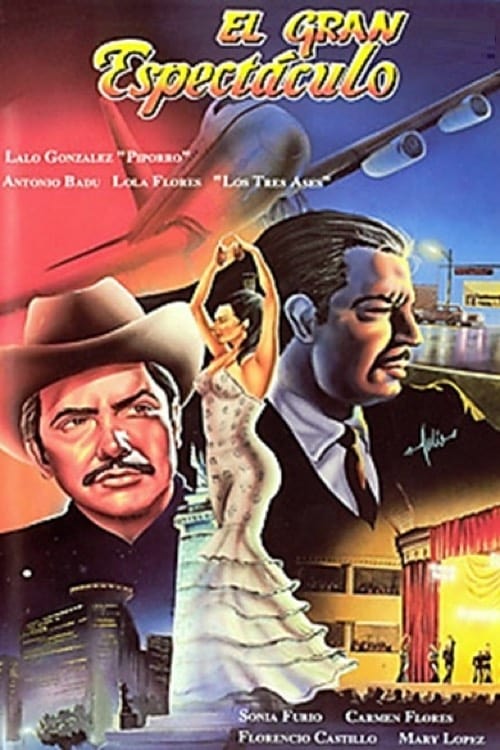
1958
No reviews yet. Be the first to share your thoughts on this movie!
Use the rating form above to leave a star rating and optional review.