No hay que aflojarle a la vida
1975
No user ratings available yet
Representation score: 1.3 out of 10
Representation Score
Minimal
1978
Director
Mariano Ozores Puchol
Runtime
0 minutes
Average Rating
No ratings yetNew Showbiz Analysis
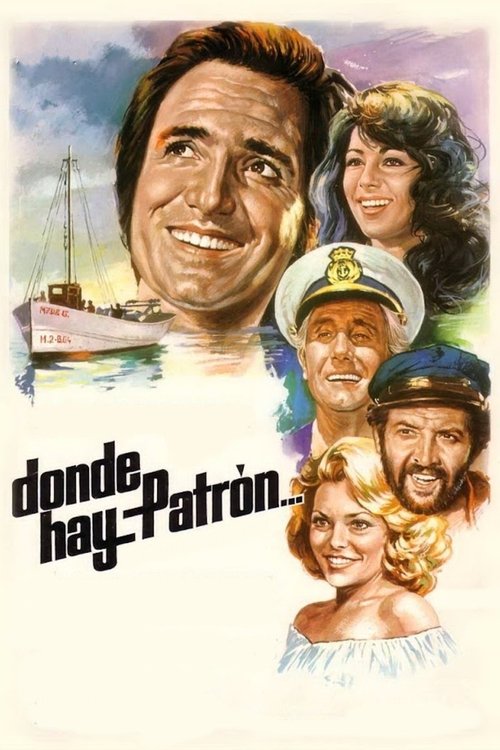
Donde hay patrón... is a product of its specific era in Spanish commercial cinema, prioritizing broad, accessible humor over social critique. The film operates within the established cultural parameters of 1978, focusing on traditional genre conventions rather than identity-driven narratives. The production lacks characteristics of systemic subversion or intentional characters who reflect more than one aspect of diversity. Instead, it functions as a standard comedic entry that maintains the social and religious status quo of its time. Without characters challenging social hierarchies, the film remains a conventional piece of period-specific entertainment.
Category Breakdown
The film does not include characters with non-binary gender identities or narratives that question the assumption that everyone is straight. It seems to follow the social norms of its time.
The comedy likely depends on well-known gender stereotypes from late-1970s Spanish cinema. There is no sign of women challenging traditional gender roles or driving the plot through intelligence.
The casting likely reflects a uniform demographic typical of the era. It does not show the kind of intentional diverse casting seen in more recent media.
The work follows traditional cultural norms. It does not feature narratives that challenge capitalist institutions or disrupt the current social order.
There is no information available about the inclusion or portrayal of characters with physical or neurodivergent disabilities.
Present on Screen
Limited or Absent
1975
1969

1968

1979

1973
1958
1957
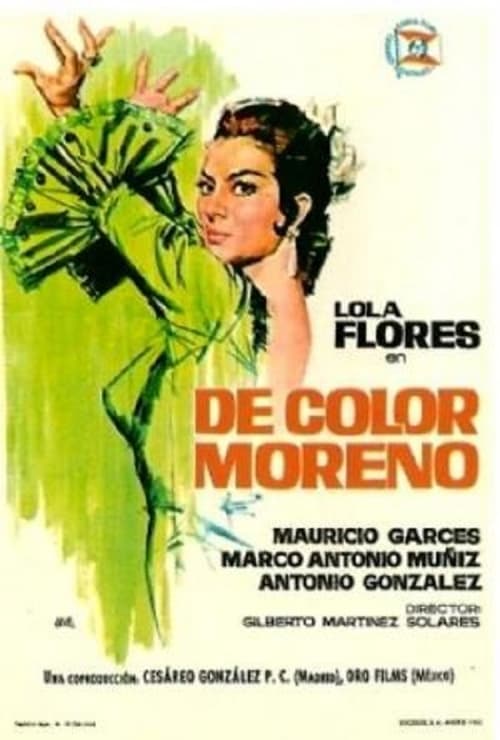
1963
No reviews yet. Be the first to share your thoughts on this movie!
Use the rating form above to leave a star rating and optional review.