Tú y las nubes
1955
No user ratings available yet
Representation score: 1.4 out of 10
Representation Score
Minimal
1969
GDirector
Luis María Delgado
Average Rating
No ratings yetNew Showbiz Analysis
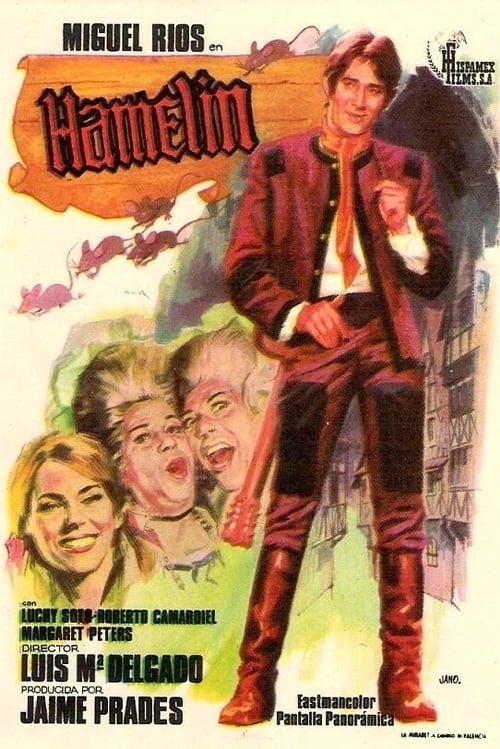
Hamelín is a product of the traditionalist cinematic landscape of the late 1960s. Its structure aligns with the era's standard musical comedy conventions, prioritizing conventional social cohesion over subversive storytelling. The film offers very little depth in reflecting multiple aspects of identity. It adheres to established social hierarchies and relies on the period's mainstream demographic and gendered clichés rather than challenging them. Ultimately, the work functions as a conventional commercial piece that reflects the homogeneous and narrow focus on straight relationships of its time.
Category Breakdown
The film does not show any evidence of LGBTQ+ identities or same-sex relationships. It reinforces the assumption that everyone is straight or cisgender, which was common in musical comedies of the late 1960s.
Female characters likely play traditional roles such as romantic interests or objects of spectacle. There is no indication that women have a significant role in driving the plot.
The cast likely reflects the homogeneous demographics typical of mainstream commercial cinema from that era. There is no evidence of a multi-ethnic cast or racial metaphors.
The narrative operates within a framework of traditional morality and social norms. It shows no signs of secularist prioritization or the deconstruction of Western institutions.
There is no evidence that neurodivergence or physical disabilities are used as central narrative devices. Specific details about these portrayals are not confirmed.
Present on Screen
Limited or Absent
1955
1958

1968
1963
1957
1978

1979
1966
No reviews yet. Be the first to share your thoughts on this movie!
Use the rating form above to leave a star rating and optional review.