
Yo bailé con Don Porfirio
1942
No user ratings available yet
Representation score: 2.8 out of 10
Representation Score
Limited
1967
Director
Luis César Amadori
Runtime
107 minutes
Average Rating
No ratings yetNew Showbiz Analysis
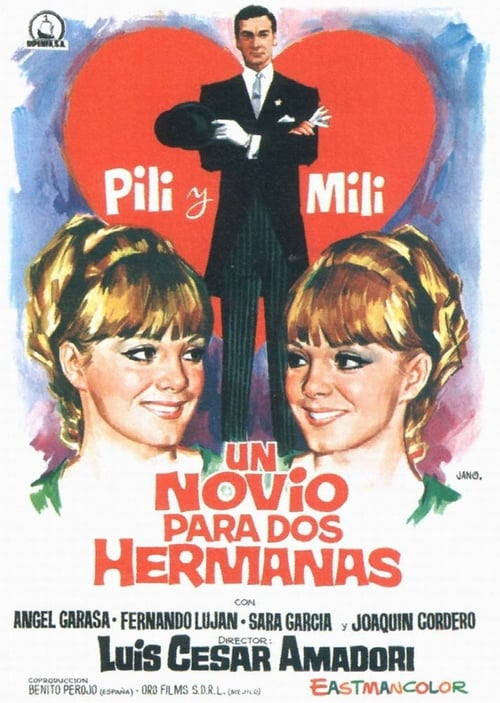
Un Novio Para Dos Hermanas operates as a conventional mid-century musical comedy, emphasizing romantic entanglements and class-based social mobility. The plot prioritizes traditional romantic structures and social norms over identity politics or the deconstruction of societal hierarchies. While female characters show ability to act through their work and economic decisions, the central conflict hinges on their competition for a male lead. The narrative reflects the conservative cinematic traditions of its era, focusing on family values and established social norms.
Category Breakdown
The film follows traditional romantic structures typical of 1960s musical comedies, with no depiction of same-sex relationships or non-traditional gender identities.
Female characters play key roles through their work and economic decisions, but the central conflict revolves around their competition for a male lead, reinforcing traditional gender dynamics.
Set in Mexico, the film reflects the cultural norms of its time, focusing on class-based social mobility rather than exploring intersections of race and ethnicity.
The story emphasizes family loyalty and conventional social structures, using familiar settings like theaters and department stores to explore social interactions and aspirations.
The synopsis does not mention any visible or invisible disabilities central to the character arcs.
Present on Screen
Limited or Absent
Official Synopsis
Pili and uncle Angel travel to Mexico to see Mili dancing at her debut in a theater in the capital. When Mili finds out the bad economic situation of her uncle, she decides to seek work. Meanwhile, Pili works in a department store and meets Rodolfo, the grandson of Mrs. Caceres, owner of the store, which she takes for the chauffeur of the lady. In turn, Ms. Caceres hires Mili to dance at her party, where she meets and falls for Rodolfo. Rodolfo, who does not know of the existence of a twin sister, is convinced that the girl in the party is Pili. And the sisters do not know they are in love with the same man, which will lead to an unexpected conflict.
1942
1978
1953

1967
1936

1966
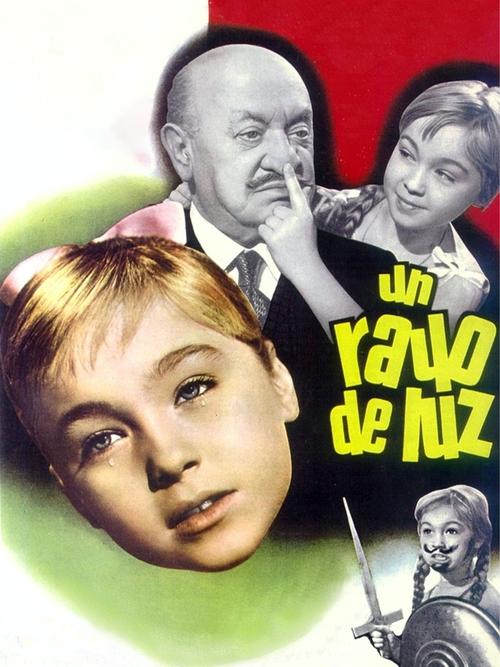
1960
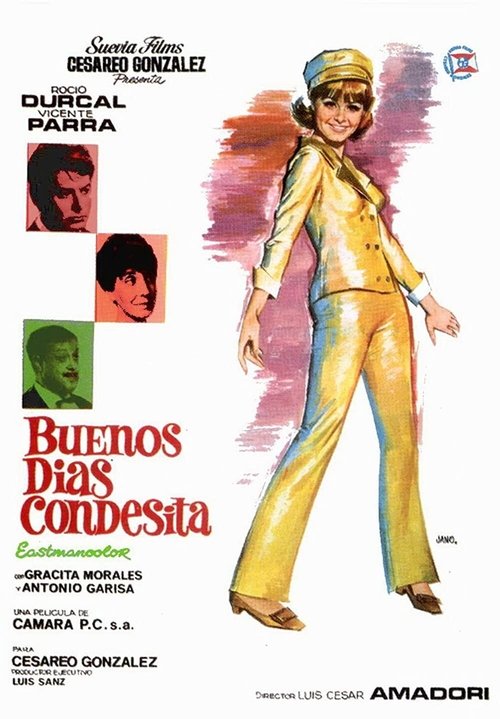
1967
No reviews yet. Be the first to share your thoughts on this movie!
Use the rating form above to leave a star rating and optional review.