
El padre Manolo
1967
No user ratings available yet
Diversity score: 2.4 out of 10
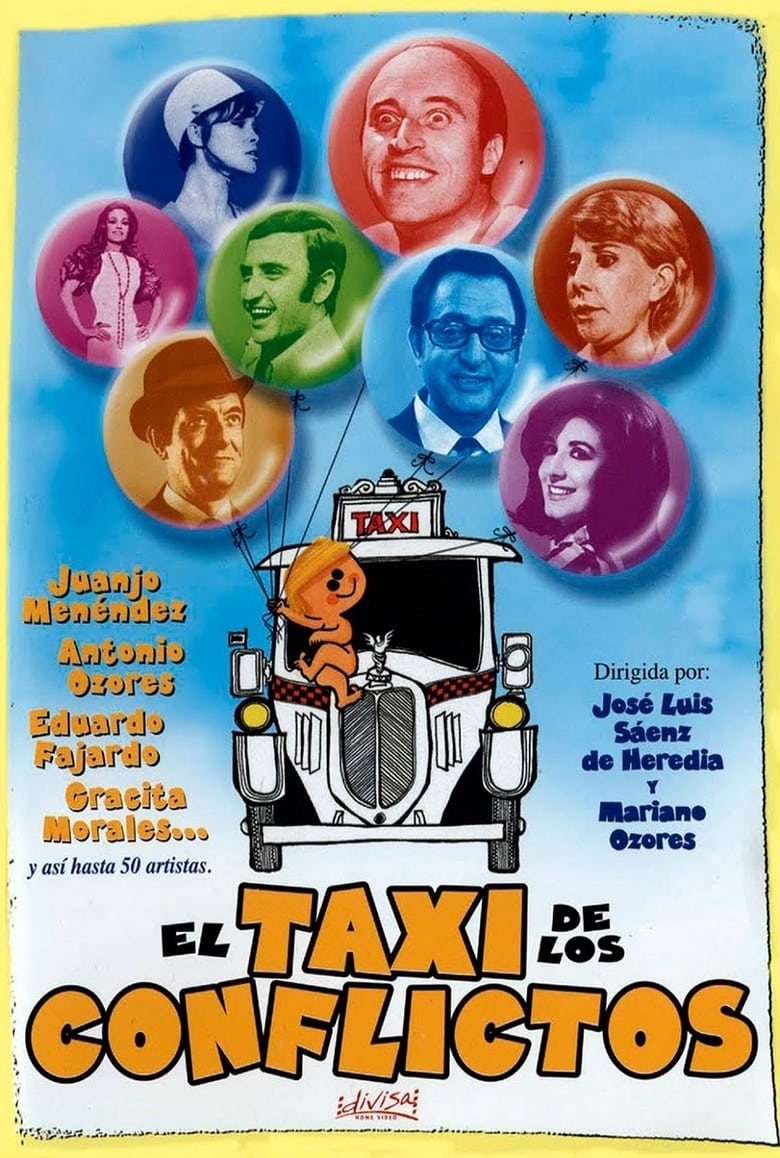
1969
Director
José Luis Sáenz de Heredia, Mariano Ozores Puchol
Runtime
100 minutes
Average Rating
No ratings yetSynopsis
Taxi driver Tadeo is about to encounter a busy shift. Throughout the day heterogeneous characters get into his taxi and the most varied situations arise. One of them leaves a baby in the taxi and Tadeo must find out where the little one belongs. He tackles this daunting task while keeping in the back of his mind that at the end of the day he has an appointment with a mysterious woman who apparently needs to tell him something very important.
Overall Score
Limited
Category Breakdown
LGBTQ+ Representation
The film operates within the conventional social frameworks of 1969. There is no evidence of LGBTQ+ characters or narratives that critique heteronormativity.
Gender Representation
The story centers on a male protagonist, Tadeo. While female stars like Carmen Sevilla are prominent, their roles align with era-specific expectations of musical performance and romantic interest.
Racial & Ethnic Diversity
The cast reflects the contemporary Spanish social landscape of the late 1960s. There is no indication of racial plurality or the use of non-human metaphors for identity.
Religious & Cultural Diversity
The narrative reinforces traditional social structures and Western comedic tropes. The plot suggests a focus on conventional morality and social responsibility.
Disability Representation
No visible or invisible disabilities are depicted as central to the character arcs or plot progression.
Strengths
Areas for Improvement
AI Analysis
This musical comedy serves as a snapshot of traditional mid-century Spanish commercial cinema. It prioritizes popular entertainment and established archetypes over the exploration of intersectional identities. The film adheres to the social and narrative norms of its era, focusing on situational comedy and musical interludes. The central plot revolves around a male taxi driver navigating various social encounters. Ultimately, the production lacks any documented attempt to subvert social hierarchies or disrupt systemic power dynamics, remaining firmly within the studio system's standard conventions.
1967
1966
1967
1978
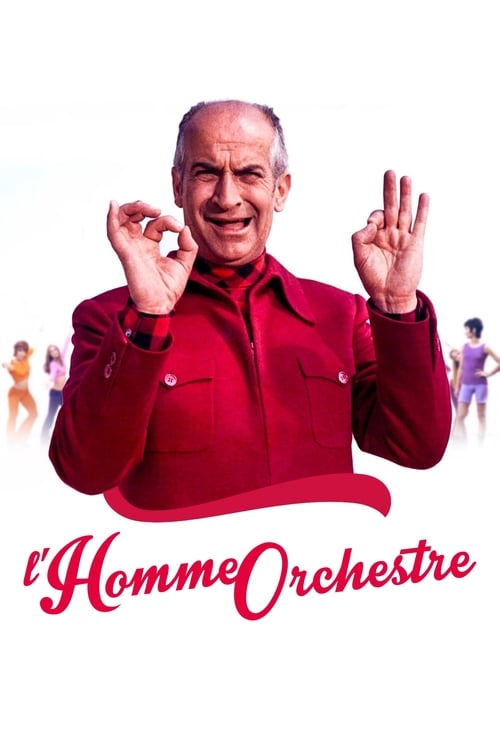
1970
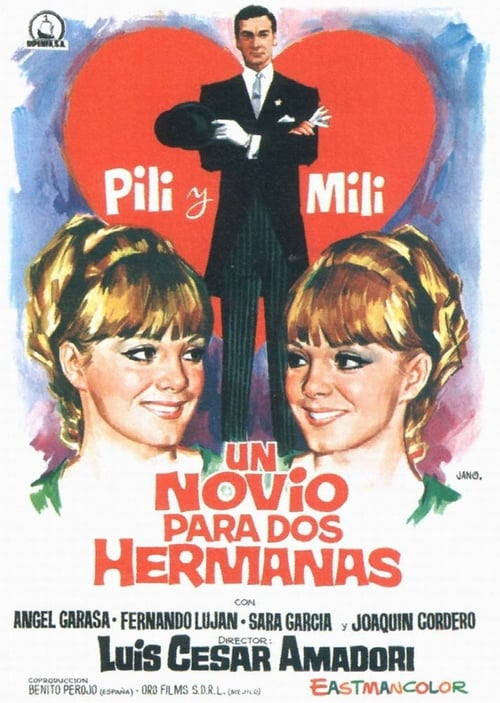
1967
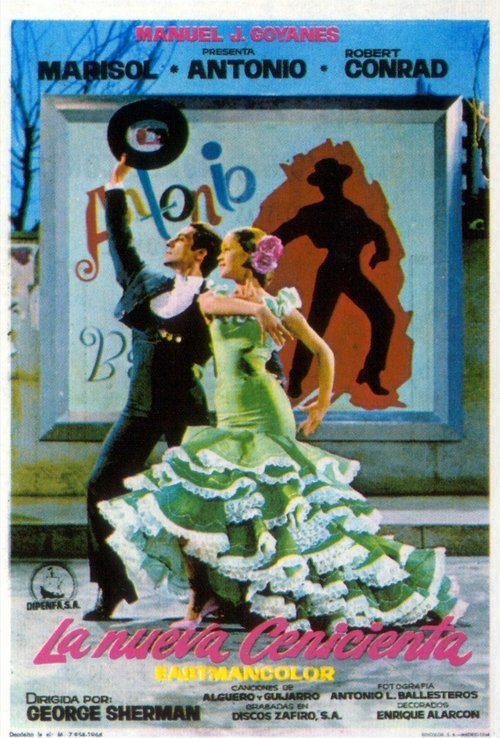
1964
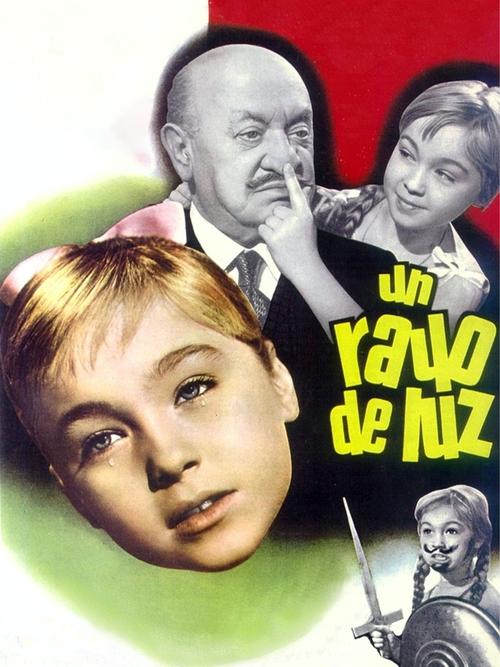
1960
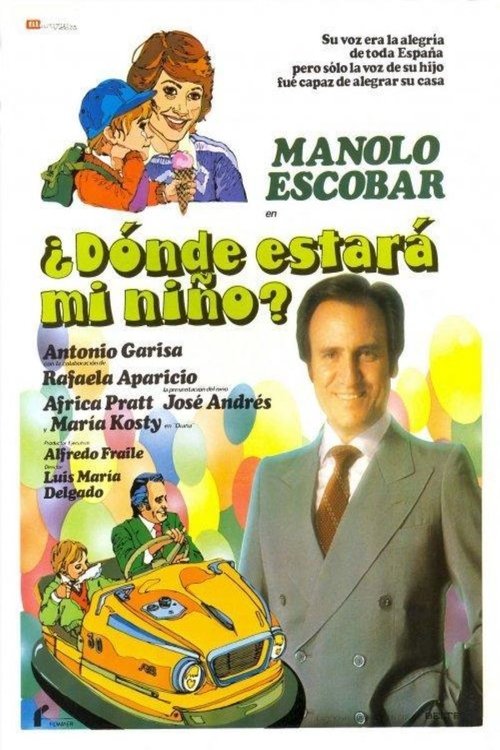
1981
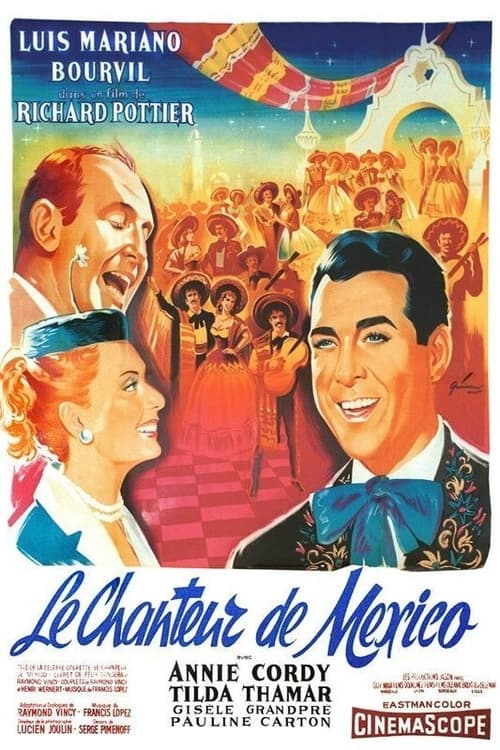
1957
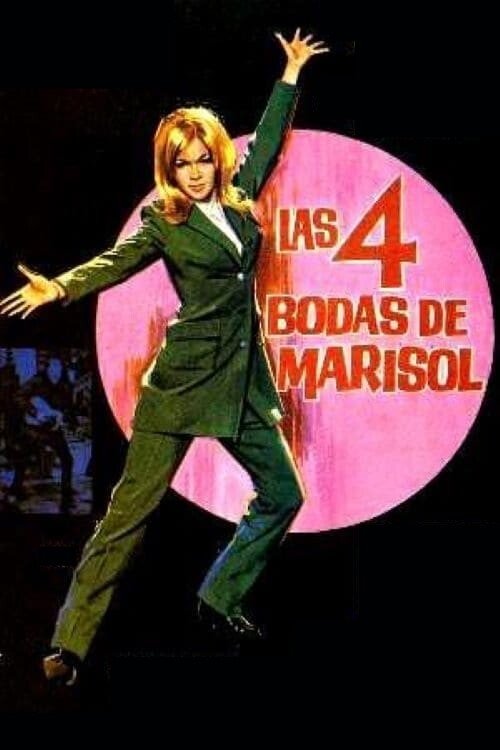
1967
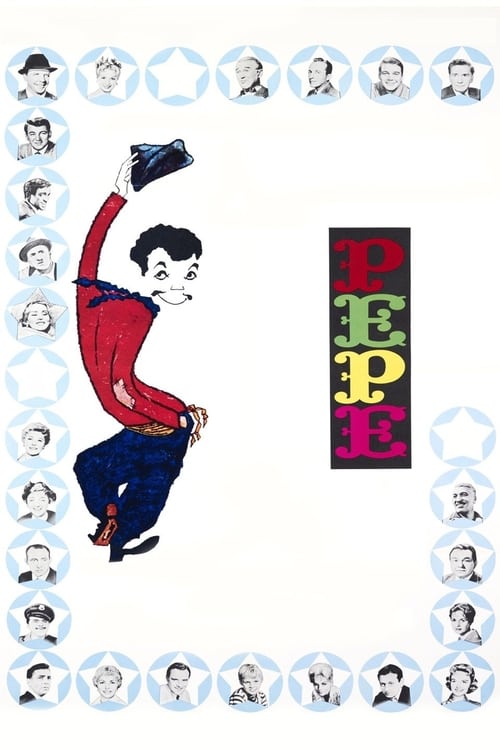
1960
No reviews yet. Be the first to share your thoughts on this movie!
Use the rating form above to leave a star rating and optional review.