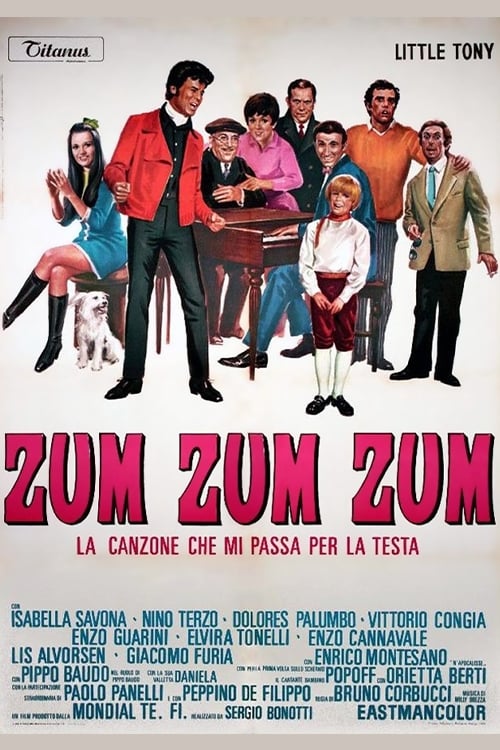
Song That's Playing In My Head (Zum Zum Zum)
1969
No user ratings available yet
Representation score: 1.4 out of 10
Representation Score
Limited
1970
Director
Serge Korber
Runtime
85 minutes
Average Rating
No ratings yetNew Showbiz Analysis
The film functions as a conventional musical comedy that adheres to the social and cinematic norms of 1970. Its narrative engine relies on situational humor and traditional family dynamics rather than progressive social commentary. While the ballet setting offers potential for non-traditional expression, the plot remains anchored in traditional gender roles. The central conflict revolves around authority and patriarchal milestones like fatherhood, offering little disruption to established hierarchies. Ultimately, the work reflects a homogeneous, Eurocentric worldview typical of its era, lacking intentional efforts to incorporate diverse identities or cultural perspectives.
Category Breakdown
The film focuses on heterosexual milestones like marriage and fatherhood. There is no indication of LGBTQ+ identities or critiques of traditional social structures.
The plot centers on a male director and a male character's prank. While the troupe shows collective influence, the conflict remains rooted in patriarchal themes.
Set in Monaco, the film likely reflects the Eurocentric casting norms of 1970s French cinema. No non-white majority or diverse ethnic casting is indicated.
The narrative operates within a traditional framework of social and familial obligations. It uses standard family structures as a comedic catalyst rather than a critique.
The synopsis provides no mention of visible or invisible disabilities within the character arcs or the ballet troupe.
Present on Screen
Limited or Absent
Official Synopsis
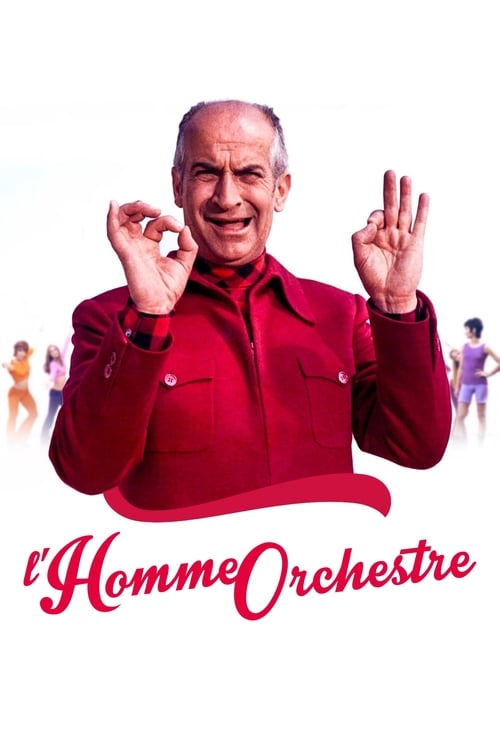
Evan Evans, the director of a ballet troupe, is rehearsing his next show in Monaco, in preparation for a worldwide tour. When one member of his troupe leaves to get married, Evans imposes a regime of strict discipline on his remaining dancers. The latter get their revenge by presenting Evans’ nephew Philippe, the only male member of the group, with a baby and a note claiming he is the father…
1969

2004
1970
1963
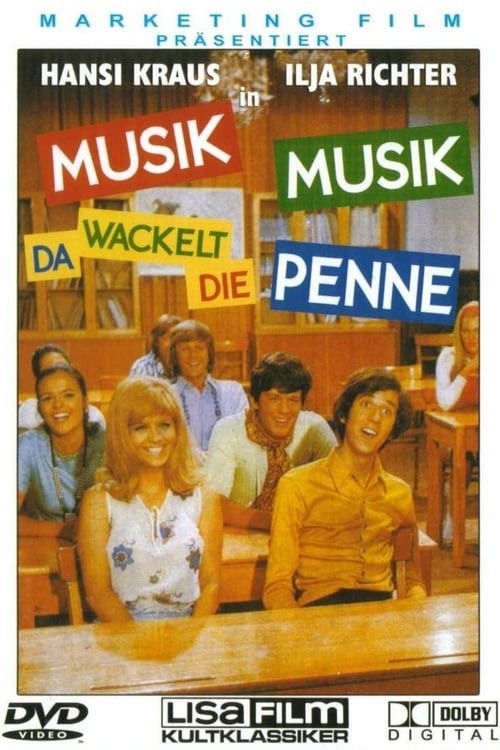
1970
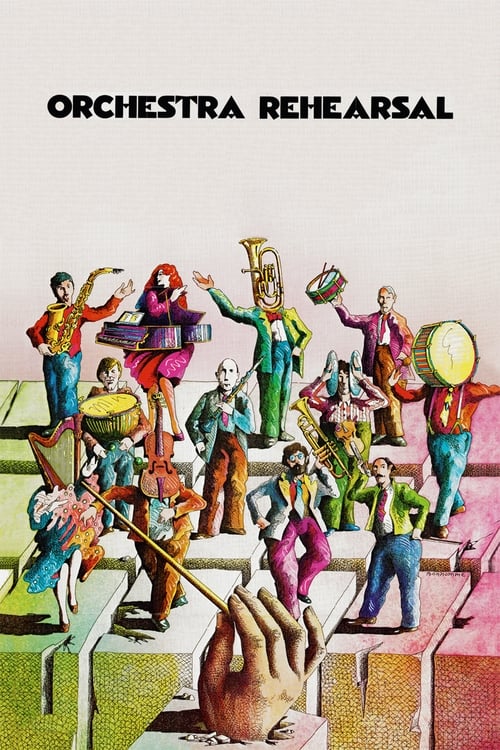
1979
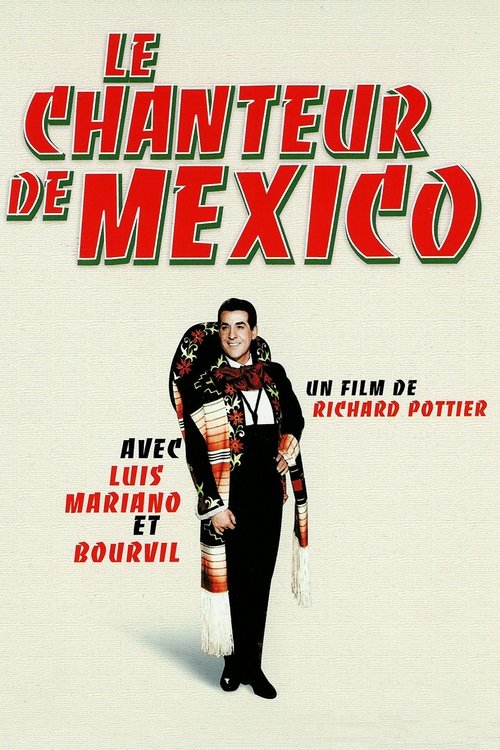
1957
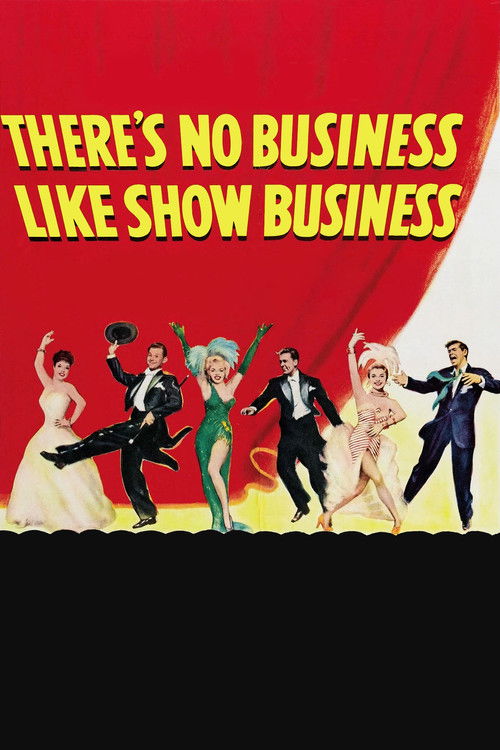
1954
No reviews yet. Be the first to share your thoughts on this movie!
Use the rating form above to leave a star rating and optional review.