
The Stonebreaker
2020
No user ratings available yet
Diversity score: 5.0 out of 10
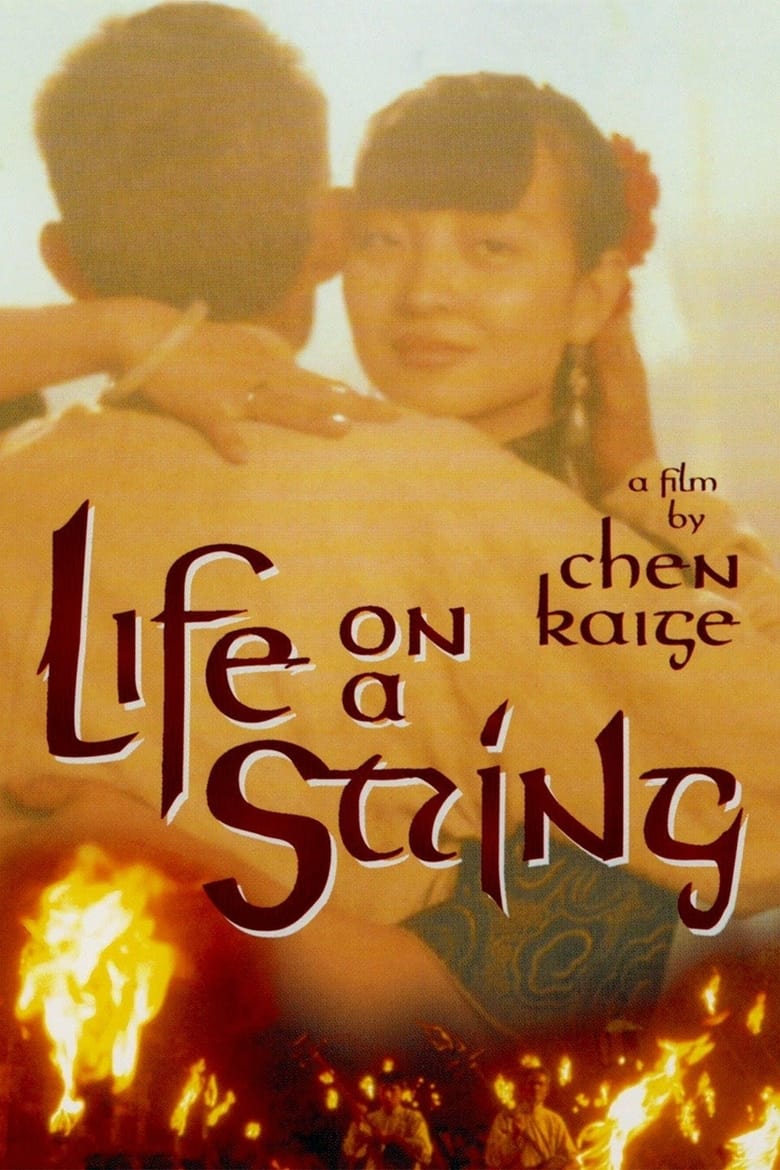
1991
Director
Chen Kaige
Runtime
110 minutes
Average Rating
No ratings yetSynopsis
A blind man's master told him that after he has broken 1000 strings on his Banjo, he can open the Banjo to get a script for his eyes. After 60 years he broke the 1000th string.
Overall Score
Fair
Category Breakdown
LGBTQ+ Representation
The film adheres to the heteronormative constraints of its historical setting. There are no queer narratives or non-cisnormative gender identities present in the story.
Gender Representation
Female characters are given emotional interiority as they navigate intense political upheaval. The narrative highlights the psychological toll of patriarchal and state-driven hierarchies on women.
Racial & Ethnic Diversity
The casting is ethnically homogeneous, reflecting the Han Chinese majority of the Cultural Revolution era. This choice prioritizes historical authenticity over intersectional racial variety.
Religious & Cultural Diversity
The film offers a sophisticated critique of traditional institutions and state-mandated truths. It portrays the breakdown of social order and the instability of authority during the Cultural Revolution.
Disability Representation
The blind protagonist serves as a nuanced exploration of sensory disability. His visual impairment is used to examine themes of perception and perseverance amidst political chaos.
Strengths
Areas for Improvement
AI Analysis
Chen Kaige’s drama succeeds as a profound critique of how collective ideology erodes individual identity. It excels in cultural representation by deconstructing power dynamics and the instability of traditional social hierarchies during a fractured historical era. However, the film lacks contemporary markers of demographic diversity. The narrative is confined to a heteronormative framework and an ethnically homogeneous cast, reflecting the specific historical context of the Cultural Revolution. Ultimately, the film trades broad demographic inclusivity for deep thematic exploration. It uses a central disability to explore human perception, even while remaining limited in its representation of gender and sexual orientation.
2020

1940
2019
1993
1977
1983

2005

2017

2014

2011
1989
2016
No reviews yet. Be the first to share your thoughts on this movie!
Use the rating form above to leave a star rating and optional review.