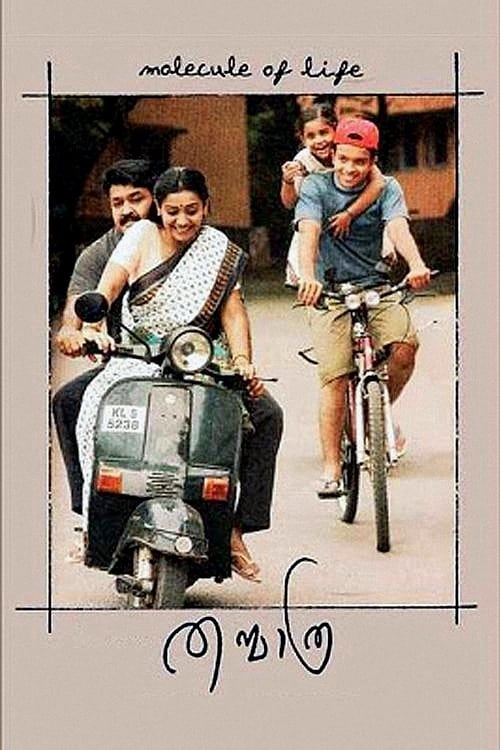
Thanmathra
2005
No user ratings available yet
Representation score: 5.0 out of 10

Representation Score
Good
2005
PG-13Director
Sanjay Leela Bhansali
Runtime
124 minutes
Average Rating
No ratings yetNew Showbiz Analysis
Black stands out as a powerful character study that centers on the sensory and cognitive experience of a deaf-blind protagonist. By focusing on Michelle McNally's struggle for autonomy, the film moves beyond mere pity to explore the complexities of communication and intellectual rebellion. The film's strength lies in its refusal to adhere to traditional, protective social structures. It critiques the restrictive nature of conventional parenting and instead champions a difficult, often abrasive path toward individual liberation. While the film lacks LGBTQ+ representation and multifaceted racial the way different parts of someone's identity overlap, its sophisticated handling of disability provides a significant departure from mainstream, able-bodied narrative clichés.
Category Breakdown
The film does not include any LGBTQ+ characters or explore non-straight relationships. The emotional core revolves around a mentor-student relationship within traditional frameworks.
The story challenges gender hierarchies by focusing on a female protagonist's intellectual journey. Michelle McNally's struggle for autonomy defies restrictive, submissive roles typically assigned to women.
Set in an Indian context, the film provides a non-Western narrative experience. While the cast is ethnically uniform, it avoids a Western-centric storytelling lens.
The narrative critiques conservative social norms and restrictive institutionalized parenting. It prioritizes individual liberation and intellectual discipline over traditional familial cohesion and protection.
The film offers a profound exploration of deaf-blindness, focusing on the protagonist's ability to navigate life. It avoids pity by showing the raw, frustrating reality of communication barriers.
Present on Screen
Limited or Absent
Official Synopsis
Unable to see, hear, or speak after a childhood illness, a young woman grows up prone to violent outbursts until an eccentric tutor changes her life.
2005

2013
2000
1962
2005
2010
1996
1998
No reviews yet. Be the first to share your thoughts on this movie!
Use the rating form above to leave a star rating and optional review.