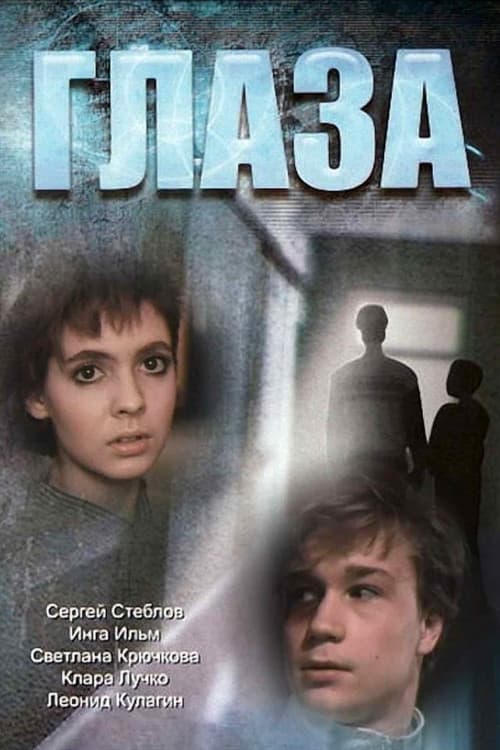
Eyes
1992
No user ratings available yet
Representation score: 5.1 out of 10
Representation Score
Fair
1989
Director
Amanzhol Aituarov
Runtime
75 minutes
Average Rating
No ratings yetNew Showbiz Analysis
The film centers on a transformative romance between a blind woman and a gangster. It places a underrepresented individual at the heart of the narrative, using her disability as a driver for the plot rather than a passive trait. However, the reliance on the 'miracle cure' cliché can risk romanticizing disability. Additionally, the story adheres to traditional tragic structures and straight-centered romantic arcs. Ultimately, the film's strength lies in its non-Western perspective and its ability to disrupt social hierarchies through its central character's ability to drive the story.
Category Breakdown
The film does not include any LGBTQ+ characters or narratives. The central romance follows a traditional relationship structure.
The female protagonist plays a significant role in driving the story. However, the narrative's tragic ending may rely on traditional melodramatic gender clichés.
Directed by Amanzhol Aituarov, the film provides a non-Western, Central Asian perspective. This offers a necessary alternative to Anglo-centric cinematic norms.
Themes of fate and miracles suggest a spiritualist lean. The presence of a gangster character hints at a critique of social stability and systemic lawlessness.
The protagonist's blindness drives the central plot development. While using a miracle cliché, the character's experience serves as a primary catalyst for change.
Present on Screen
Limited or Absent
Official Synopsis
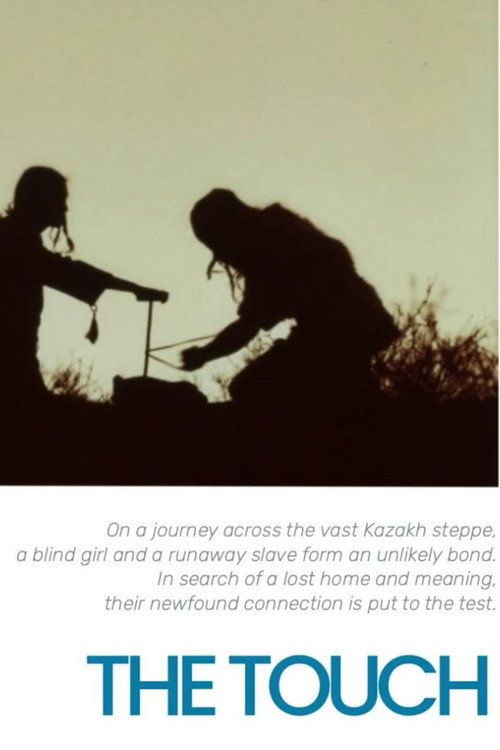
On her way to the Promised Land, a blind girl meets a gangster and they fall in love. Their love makes a miracle: the girl regains her sight. This romantic story ends tragically.
1992
1977
1986
1987
1991
1991
1986

1950
No reviews yet. Be the first to share your thoughts on this movie!
Use the rating form above to leave a star rating and optional review.