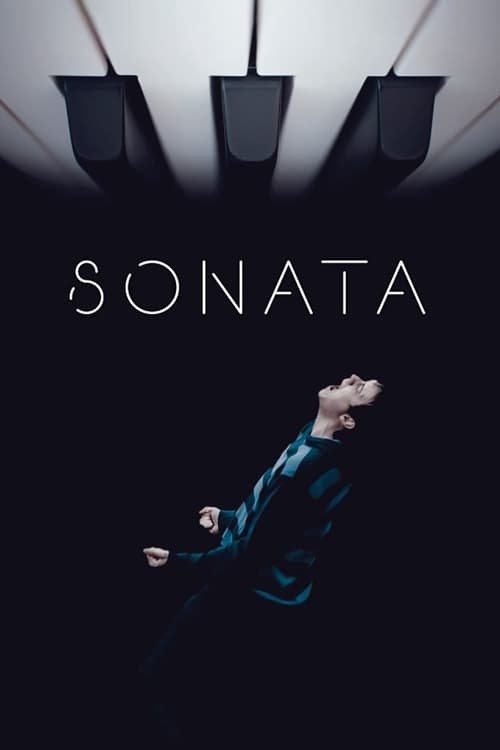
Sonata
2022
No user ratings available yet
Representation score: 6.5 out of 10
Representation Score
Good
2019
Director
Maciej Pieprzyca
Runtime
122 minutes
Average Rating
No ratings yetNew Showbiz Analysis
The film is a deeply humanistic biographical study that finds its greatest power in its portrayal of disability. By centering a blind musician, it moves beyond mere sentimentality to explore sensory reclamation and ability to act. While the historical setting of post-war Poland necessitates a lack of racial and LGBTQ+ diversity, the film compensates through a sophisticated critique of systemic oppression. The protagonist's shift from classical music to jazz serves as a potent metaphor for individual freedom against a restrictive state. Ultimately, the film succeeds by treating its protagonist's disability as a complex way of being rather than a plot device, making it a standout achievement in representation despite its narrow demographic scope.
Category Breakdown
The film does not include explicit LGBTQ+ characters or relationships. The story centers on the protagonist's journey and his relationship with Zuza.
The story challenges traditional gender roles by focusing on a man whose strength comes from vulnerability. Zuza acts as a supportive partner, but societal constraints prevent deeper exploration of gender dynamics.
The cast is primarily made up of actors from similar backgrounds, reflecting the demographics of post-WWII Poland. This lack of diversity is due to historical accuracy rather than a deliberate exclusion.
The film criticizes state-controlled institutions and the rigidity of post-war structures. It presents religious institutions as places of both care and confinement.
The film excels by centering a blind protagonist who play a significant role in driving the story. It avoids 'inspiration porn' and instead explores how he perceives and interacts with a world designed for the sighted.
Present on Screen
Limited or Absent
Official Synopsis
Inspired by true events, a story of a blind grand piano genius. As a child Mietek loses his sight. His mother places him in the care of the nuns in Laski. At the centre for the blind the boy discovers that music may be his way of seeing the world again and of describing it. Mietek goes on to become a brilliant classical pianist. Once he discovers jazz music, though, he has only one goal left: to become the best jazz pianist in Poland. He is more and more successful, not only in Poland but around the world. He wins the prestigious Montreux Jazz Festival. Unexpectedly, a charismatic vocalist, Zuza, walks into his life. This meeting will change it forever.
2022

2013

2013
1962
1989
1998
2017
2015
No reviews yet. Be the first to share your thoughts on this movie!
Use the rating form above to leave a star rating and optional review.