Hymn
1972
No user ratings available yet
Representation score: 8.5 out of 10
Representation Score
Good
1977
Director
Masahiro Shinoda
Runtime
118 minutes
Average Rating
No ratings yetNew Showbiz Analysis
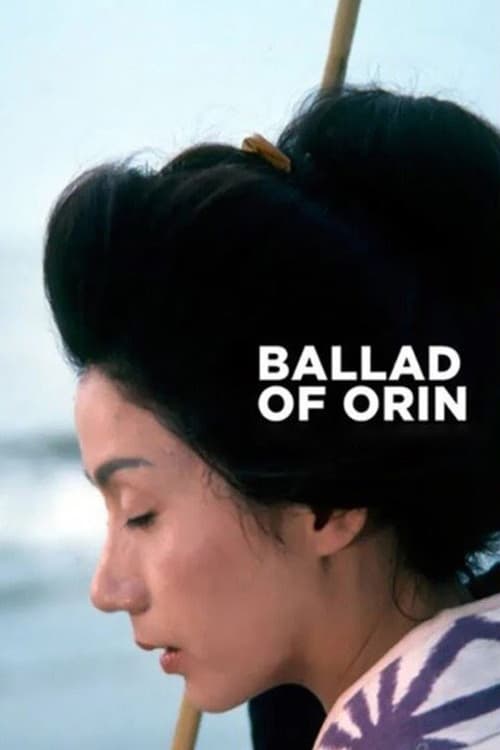
Masahiro Shinoda’s *Ballad of Orin* is a powerful social critique that uses a historical setting to challenge traditional power structures. It excels in its nuanced portrayal of disability and gender, going beyond surface-level clichés to explore the impact of systemic oppression on individuals. While the film is culturally authentic to its Japanese setting, it remains ethnically homogeneous and lacks LGBTQ+ representation. These omissions seem tied to the specific historical context of the Edo period rather than a lack of progressive intent. Overall, the film's strength lies in its unromanticized portrayal of a blind musician's exploitation, providing a sophisticated look at institutional corruption and rigid social hierarchies.
Category Breakdown
The film does not include explicit LGBTQ+ identities or non-straight relationships. It focuses on the protagonist's survival within a patriarchal system.
The film centers on a woman who loses her societal power and explores her vulnerability within patriarchal structures. It avoids idealized portrayals of femininity.
Set in Japan during the Edo period, the cast is ethnically uniform. While the film stays true to its historical context, it does not include diverse ethnic representation.
The narrative criticizes the class structures and quasi-capitalist systems of the Edo period. It highlights the instability of family units and the failures of systemic authority.
The protagonist's blindness is a central theme and is portrayed as a complex part of her life rather than just a plot device.
Present on Screen
Limited or Absent
Official Synopsis
Expelled from her group for losing her virginity, blind travelling musician Orin endures a life of hardship, abuse, and poverty while wandering the countryside, finding brief companionship with an army deserter, and struggling against a society that marginalises her.
1972

1956

1972
1952
1959

1967
1928
1968
No reviews yet. Be the first to share your thoughts on this movie!
Use the rating form above to leave a star rating and optional review.