
The Silent Child
2017
No user ratings available yet
Representation score: 5.7 out of 10
Representation Score
Fair
2014
PGDirector
Jean-Pierre Améris
Runtime
95 minutes
Average Rating
No ratings yetNew Showbiz Analysis
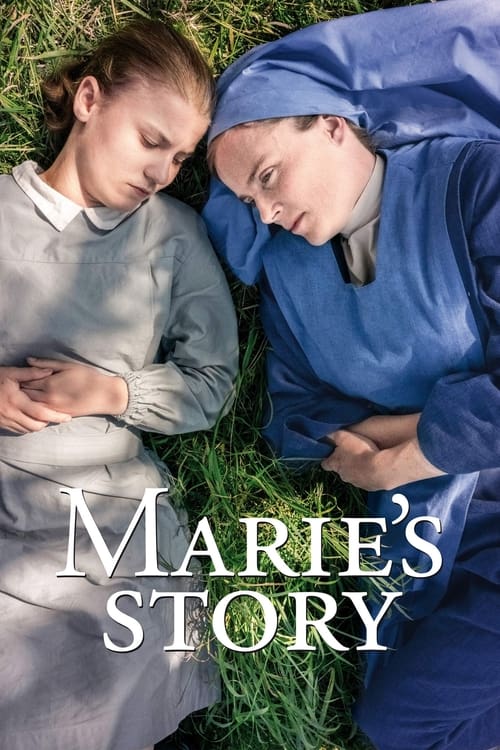
Marie's Story is a focused character study that prioritizes sensory experience over broader social issues. By centering a non-verbal protagonist, it disrupts traditional dialogue-driven storytelling. While the film lacks significant representation regarding race and LGBTQ+ identities, it offers a sophisticated portrayal of profound disability. The portrayal of Marie transforms her from a passive subject to an active participant in her own life. Ultimately, the film's strength lies in its ability to validate a unique way of being, even as it remains within a traditional and homogeneous social framework.
Category Breakdown
The film does not include any LGBTQ+ characters. It focuses solely on the relationship between Marie and her caregivers.
Female caregivers drive the story through their intellectual and emotional labor. The film adheres to a traditional domestic framework without challenging gender hierarchies.
The social environment is relatively uniform. There is a lack of visible racial diversity, reflecting the film's specific historical and localized context.
The story explores the tension between religious institutions and personal experiences. It prioritizes sensory truth over rigid moral doctrine.
The film excels by centering Marie's internal sensory world. It avoids 'inspiration porn' by validating her unique way of being and empowering her.
Present on Screen
Limited or Absent
Official Synopsis
Marie Heurtin is born both blind and deaf. Sister Marguerette wins her trust and teaches her how to express herself.
2017

2013
2000
1962
1957

2017
2001

2014
No reviews yet. Be the first to share your thoughts on this movie!
Use the rating form above to leave a star rating and optional review.