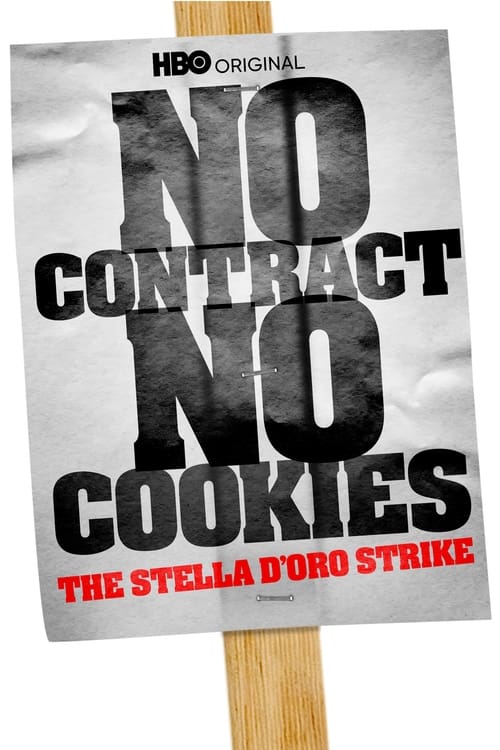
No Contract, No Cookies: The Stella D'Oro Strike
2010
No user ratings available yet
Representation score: 4.2 out of 10
Representation Score
Fair
2004
UnratedDirector
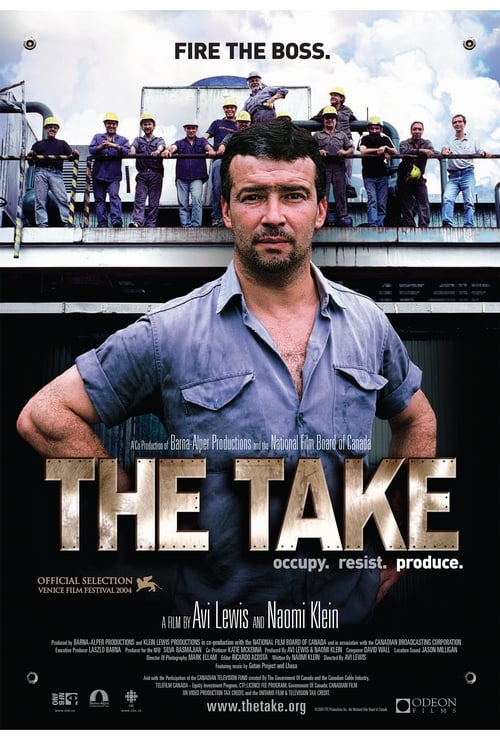
Avi Lewis
Runtime
87 minutes
Average Rating
No ratings yetNew Showbiz Analysis
The film serves as a documentary critique of the global economic order. It shifts the narrative focus from individual wealth-seeking to collective empowerment and communal action. By centering on a underrepresented working class in Argentina, it successfully challenges Western-centric cinematic perspectives. However, the film lacks explicit representation regarding LGBTQ+ identities and specific disability narratives. While it disrupts traditional corporate power structures, the specific gender dynamics of the workers remain unconfirmed.
Category Breakdown
The film focuses on industrial labor movements and factory occupations. There are no visible LGBTQ+ characters or narratives addressing non-straight relationships.
The narrative emphasizes shop-floor democracy and collective action. This communal approach potentially disrupts traditional male-dominated corporate hierarchies, though specific gender dynamics are not detailed.
Set in Buenos Aires, the film centers on a localized Argentine workforce. This Global South perspective shifts the narrative away from Western-centric dominance and Hollywood clichés.
The film strongly critiques global capitalism and Western economic institutions. It portrays workers' resistance against systemic oppression as a legitimate response to institutional neglect.
There is no information available regarding the portrayal of physical or neurodivergent disabilities within the film.
Present on Screen
Limited or Absent
Official Synopsis
In suburban Buenos Aires, thirty unemployed ceramics workers walk into their idle factory, roll out sleeping mats and refuse to leave. All they want is to re-start the silent machines. But this simple act - the take - has the power to turn the globalization debate on its head. Armed only with slingshots and an abiding faith in shop-floor democracy, the workers face off against the bosses, bankers and a whole system that sees their beloved factories as nothing more than scrap metal for sale.
2010

1977

2010

2000
2017

2013
2014

2011
No reviews yet. Be the first to share your thoughts on this movie!
Use the rating form above to leave a star rating and optional review.