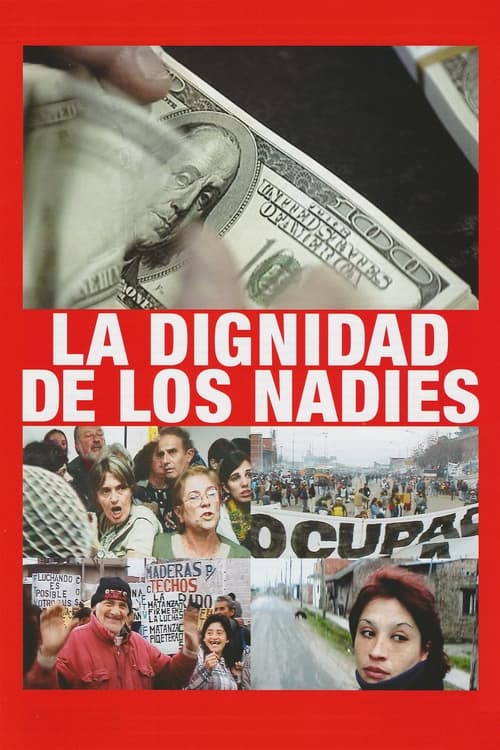
Dignity of the Nobodies
2005
No user ratings available yet
Representation score: 6.9 out of 10
Representation Score
Good
2012
AtpDirector
Magalí Buj, Federico Palumbo
Runtime
65 minutes
Average Rating
No ratings yetNew Showbiz Analysis
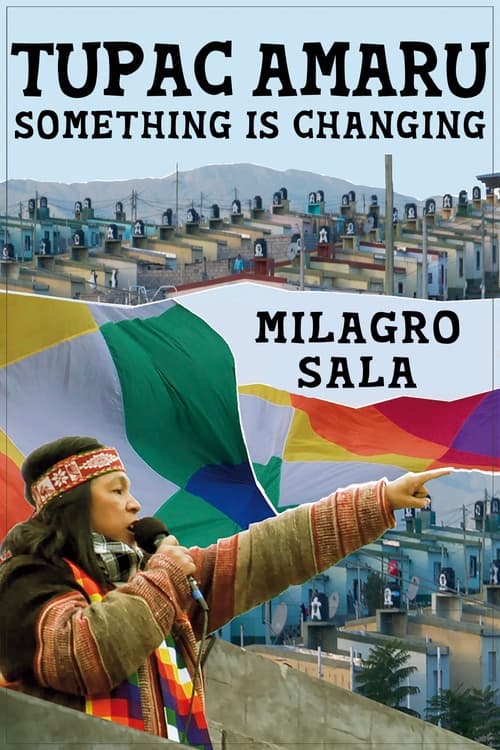
Tupac Amaru, algo está cambiando: something is changing is a social documentary that shifts the focus from centralized power to provincial, communal ability to act. It examines how grassroots organization emerged in Jujuy as a response to the neoliberal crises of the 1990s. The film excels at centering underrepresented ethnic populations and critiquing dominant economic structures. By focusing on local solidarity networks, it provides a platform for voices often excluded from national discourse. However, the documentary lacks visible engagement with LGBTQ+ identities or disability representation. While it challenges economic hierarchies, it remains focused on socio-political and communal structures rather than individual identity politics.
Category Breakdown
The film focuses primarily on socio-economic organization following the Argentine crisis. There is no explicit evidence regarding the depiction of LGBTQ+ individuals or non-assuming gender matches what was assigned at birth identities.
The narrative centers on solidarity work and new forms of organization. These communal movements often involve significant female leadership and involvement in local cooperatives.
Set in Jujuy, the film centers on a province with a significant Indigenous population. It elevates voices that are historically sidelined by the central Argentine state.
The documentary critiques neoliberal hegemony by emphasizing communal organization over individualistic market competition. It prioritizes localized power dynamics and collective survival.
The film provides no specific information regarding the portrayal of physical or neurodivergent disabilities.
Present on Screen
Limited or Absent
Official Synopsis
In the face of the onslaught of neoliberalism and the Argentine crisis of the nineties, a new form of organization and solidarity work began to take shape in the forgotten province of Jujuy.
2005
1965

2019
2007

1995
1968
2016
2002
No reviews yet. Be the first to share your thoughts on this movie!
Use the rating form above to leave a star rating and optional review.