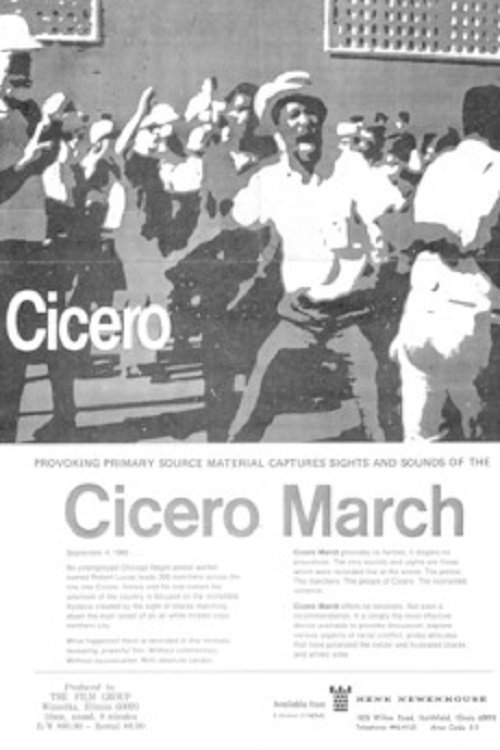
The Urban Crisis and the New Militants: Module 7 - Cicero March
1966
No user ratings available yet
Diversity score: 6.8 out of 10
1963
Director
Pier Paolo Pasolini, Giovannino Guareschi
Runtime
104 minutes
Average Rating
No ratings yetSynopsis
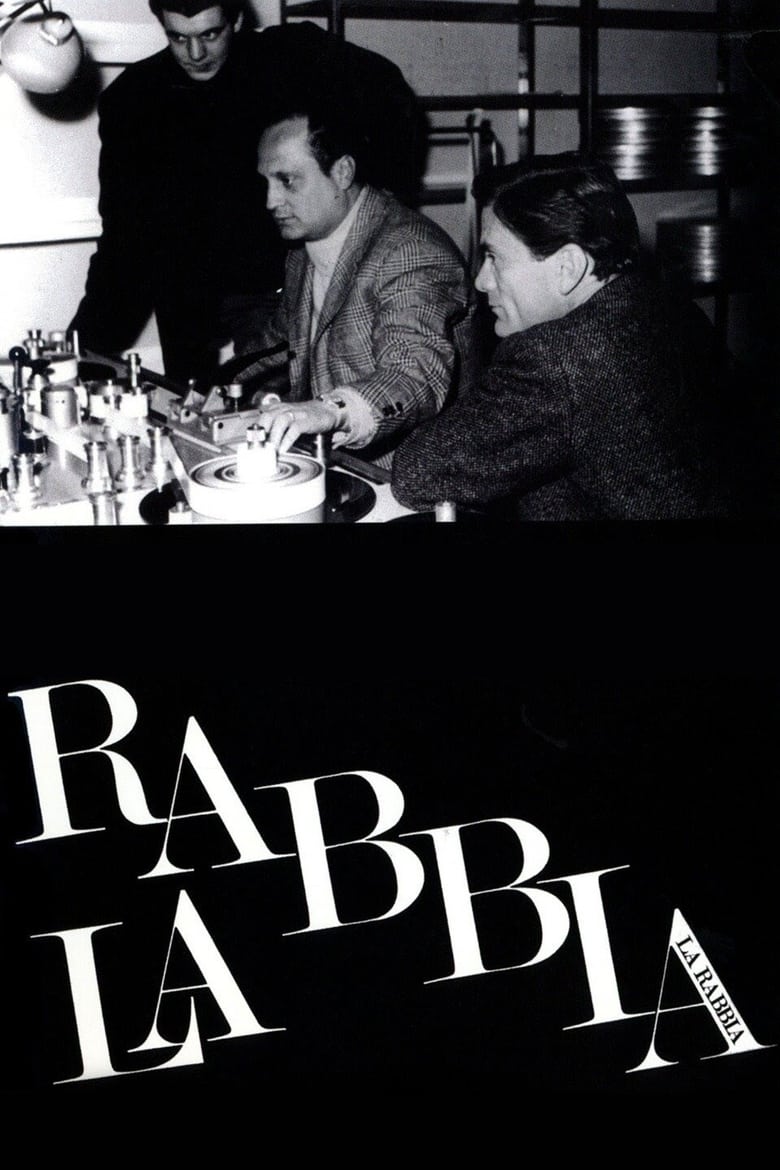
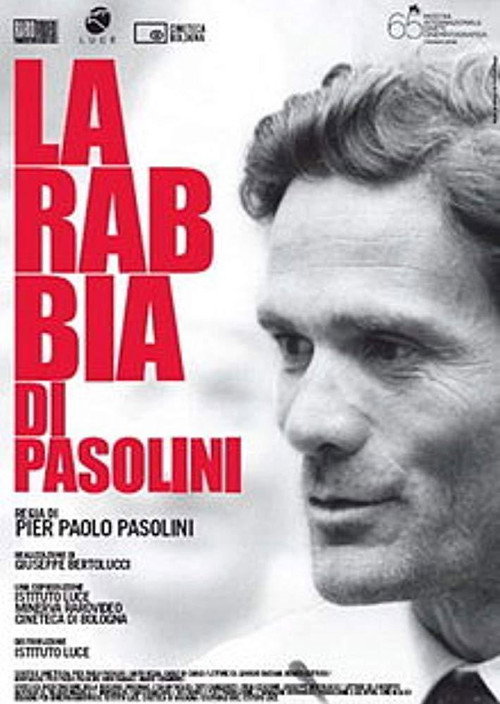
Documentary footage (from the 1950s) and accompanying commentary to attempt to answer the existential question, Why are our lives characterized by discontent, anguish, and fear? The film is in two completely separate parts, and the directors of these respective sections, left-wing Pier Paolo Pasolini and conservative Giovanni Guareschi, offer the viewer contrasting analyses of and prescriptions for modern society. Part I, by Pasolini, is a denunciation of the offenses of Western culture, particularly those against colonized Africa. It is at the same time a chronicle of the liberation and independence of the former African colonies, portraying these peoples as the new protagonists of the world stage, holding up Marxism as their "salvation", and suggesting that their "innocent ferocity" will be the new religion of the era. Guareschi's part, by contrast, constitutes a defense of Western civilization and a word of hope, couched in traditional Christian terms, for man's future.
Overall Score
Good
Category Breakdown
LGBTQ+ Representation
The film lacks explicit depictions of queer identities or narratives. While Pasolini's presence suggests a subtext of non-conformity, there are no overt representations of LGBTQ+ intimacy.
Gender Representation
The documentary focuses on macro-political shifts rather than domestic gender roles. While it challenges patriarchal imperialist structures, it lacks specific character-driven narratives to evaluate gendered agency.
Racial & Ethnic Diversity
The film excels by centering the agency of African colonies. It frames these populations as the new protagonists of the world stage rather than passive subjects of Western history.
Religious & Cultural Diversity
The structure highlights the tension between traditional Christian morality and revolutionary Marxist ideologies. It functions as a critique of Western institutions and their impact on colonized peoples.
Disability Representation
There is no evidence regarding the depiction of physical or neurodivergent characters within the film's documentary footage or commentary.
Strengths
Areas for Improvement
AI Analysis
La Rabbia is a cinematic debate that pits Pasolini’s Marxist decolonization against Guareschi’s traditional Christian defense of Western civilization. This dialectical structure creates a powerful study of mid-century ideological friction. The film's greatest strength lies in its disruption of the Eurocentric gaze. By elevating the liberation movements of the Global South, it moves beyond mere observation to celebrate the agency of colonized peoples. However, the documentary's focus on macro-politics and systemic shifts means it lacks the personal, character-driven narratives necessary to explore gender or LGBTQ+ identities in depth.
1966
1972

1980
2008
2013

1974

2012
1969
1982

1977
1963
1972
No reviews yet. Be the first to share your thoughts on this movie!
Use the rating form above to leave a star rating and optional review.