
Dear Mr. Waldman
2006
No user ratings available yet
Diversity score: 4.4 out of 10
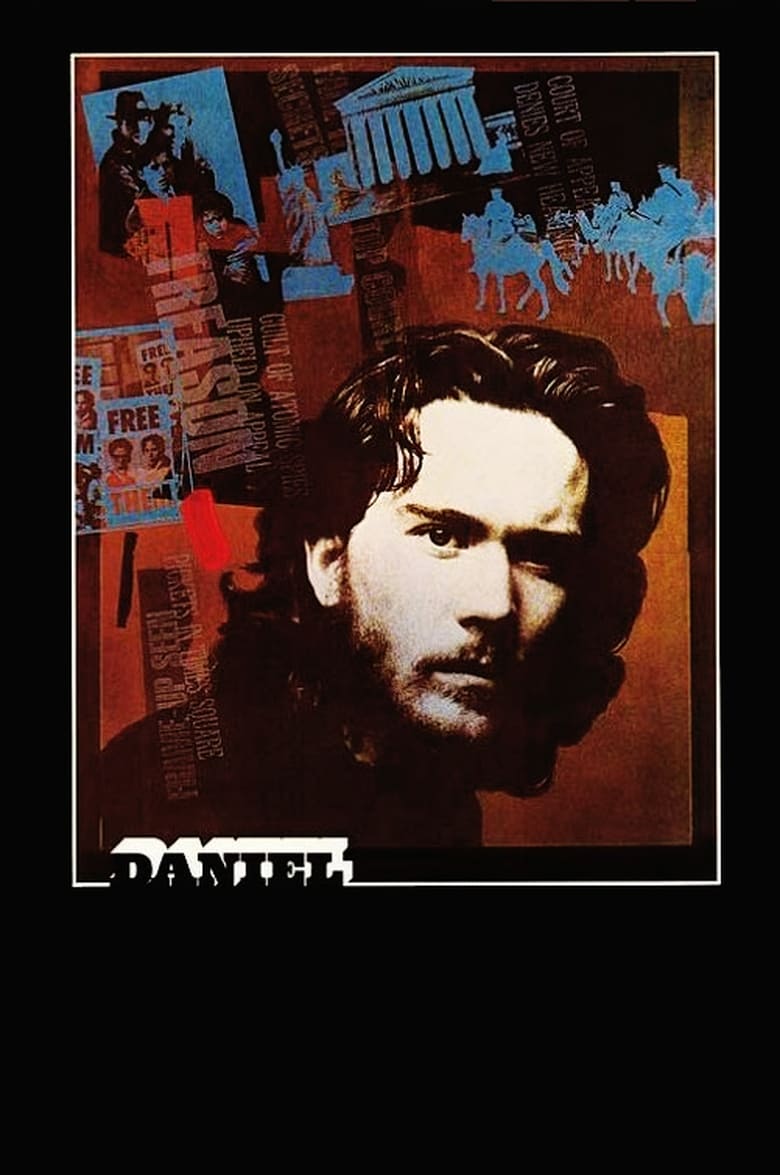
1983
RDirector
Sidney Lumet
Runtime
130 minutes
Average Rating
No ratings yetSynopsis
The fictionalized story of Daniel, the son of Paul and Rochelle Isaacson, who were executed as Soviet spies in the 1950s. As a graduate student in New York in the 1960s, Daniel is involved in the antiwar protest movement and contrasts his experiences to the memory of his parents and his belief that they were wrongfully convicted.
Overall Score
Fair
Category Breakdown
LGBTQ+ Representation
The film offers almost no visibility for LGBTQ+ identities. The narrative focus remains fixed on political and ethnic tensions, leaving non-heteronormative expressions unaddressed.
Gender Representation
Narrative agency is concentrated in the male experience of intellectual and political struggle. Female characters are largely relegated to domestic or social spheres within the protagonist's life.
Racial & Ethnic Diversity
The film provides a nuanced look at Jewish identity and antisemitism. It challenges Anglo-Saxon social norms by centering a protagonist navigating his heritage and a controversial political legacy.
Religious & Cultural Diversity
The story excels at critiquing Western institutions and state authority. It portrays legal and political systems as potentially oppressive instruments of systemic error rather than bastions of justice.
Disability Representation
Physical and psychological trauma are used to illustrate the impact of social prejudice. These elements serve as catalysts for character development rather than centering on lived disability experiences.
Strengths
Areas for Improvement
AI Analysis
Sidney Lumet’s *Daniel* is a sophisticated social critique that prioritizes ethnic identity and institutional skepticism over broad demographic representation. The film succeeds by deconstructing the American political landscape through a Jewish lens, highlighting how systemic prejudice affects minority groups. However, the film adheres to traditional 1980s dramatic structures, which limits its scope regarding gender and LGBTQ+ diversity. While it explores the trauma of state-sanctioned violence, these themes are used to drive the political plot rather than to explore disability as a primary identity.
2006

1975
1992

2004
1986

2016

2016
2013

2007
1961

1993
1987
No reviews yet. Be the first to share your thoughts on this movie!
Use the rating form above to leave a star rating and optional review.