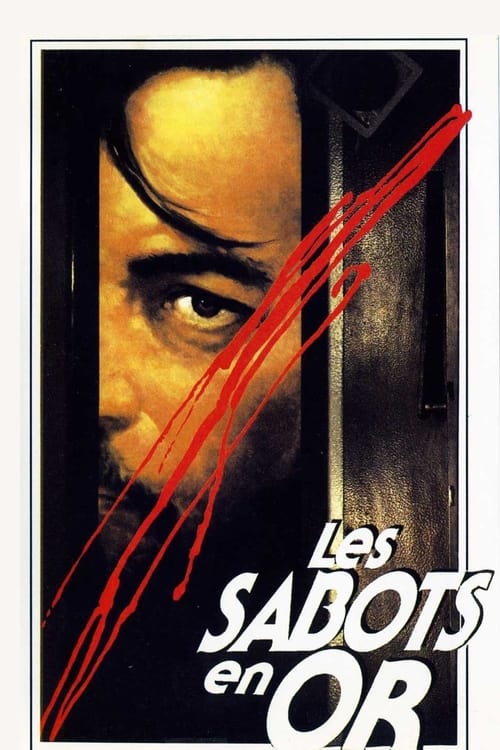
Golden Horseshoes
1989
No user ratings available yet
Representation score: 6.5 out of 10

Representation Score
Good
1975
Director
Ali Badrakhan
Runtime
140 minutes
Average Rating
No ratings yetNew Showbiz Analysis
Karnak is a politically charged drama that prioritizes systemic critique over traditional escapism. It challenges the sanctity of state institutions by portraying the General Intelligence Directorate as a violent, repressive force. While the film offers a strong non-Western perspective on power dynamics, it lacks depth in exploring multiple aspects of identity. The narrative focuses heavily on political struggle, leaving little room for LGBTQ+ identities or disability ability to act. Ultimately, the film's strength lies in its refusal to portray authority as benevolent, though it relies on character suffering as a tool for political commentary rather than nuanced representation.
Category Breakdown
The film focuses on political repression and state violence rather than LGBTQ+ identities. There are no explicit non-straight characters in the narrative.
Zainab is a central figure, providing a departure from male-centric political dramas. Her involvement in activism and state-sponsored torture gives her significant influence.
The cast is ethnically uniform, focusing on the Egyptian experience. It offers a valuable non-Western perspective on institutional corruption and state authority.
The film provides a strong critique of traditional state institutions and national security apparatuses. It prioritizes themes of anti-authoritarianism and systemic oppression.
Physical and psychological trauma from torture is shown, but these elements serve the plot rather than exploring disability. Suffering is used primarily to illustrate state cruelty.
Present on Screen
Limited or Absent
Official Synopsis
In the 1960s, the lives of three college classmates, Ismail, Zainab, and Helmy, take a dark turn when the three of them are arrested and tortured as part of the repressive and violent practices that were employed by the General Intelligence Directorate back then.
1989

1975

1972
1982

1969

2017
1979

1969
No reviews yet. Be the first to share your thoughts on this movie!
Use the rating form above to leave a star rating and optional review.