Sarah's Key
2010
No user ratings available yet
Representation score: 4.2 out of 10

Representation Score
Fair
2007
Not RatedDirector
Claude Miller
Runtime
105 minutes
Average Rating
No ratings yetNew Showbiz Analysis
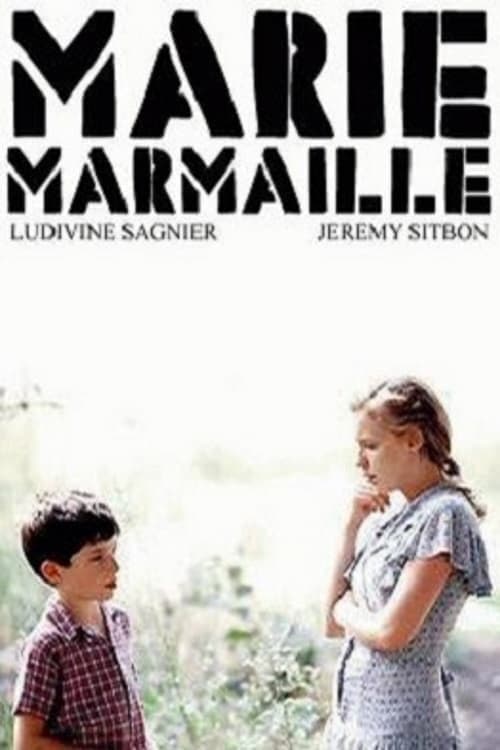
Claude Miller’s drama excels as a nuanced examination of identity and historical memory. Its main strength lies in its critique of the 'Aryan' facade, providing a powerful insight into how systemic pressures compel ethnic groups to conceal their heritage for survival. The film effectively challenges the perceived stability of mid-century Western institutions by revealing the fractures caused by forced assimilation. It goes beyond surface-level representation to explore the psychological impact of maintaining social facades. However, the film remains limited in its scope of identity. It lacks representation for LGBTQ+ communities and does not feature characters with disabilities, focusing instead on the specific historical trauma of Jewish families in post-war France.
Category Breakdown
The film does not explicitly address LGBTQ+ identities or non-conforming gender expressions. Instead, it focuses on the specific traumas experienced by Jewish individuals during the Holocaust.
The film highlights the emotional power of its characters, challenging traditional gender roles. It portrays the home as a place where emotions and negotiations play a significant role rather than just stability.
The film provides a deep exploration of Jewish identity and the trauma of the Holocaust. It critiques the erasure of ethnic identity through the protagonist's struggle with his family's 'Aryan' facade.
The story critiques the strict social norms of 1950s French society as tools of suppression. It examines the ethical implications of the lies used to protect a family from systemic oppression.
There are no significant depictions of visible or invisible disabilities that drive the narrative.
Present on Screen
Limited or Absent
Official Synopsis
In 1953, a sensitive French boy finds out from a neighbor that his family's Jewish. François Grimbert becomes a physician, and gradually peels the layers of his buried family history which resulted in his difficult upbringing, raised as Catholic by his "Aryan" appearing parents. His athletic father labored to stamp out stereotypical Jewish characteristics he perceived in his son, to keep the family's many secrets, as most relatives fought in World War II, and later were hauled off to labor and death camps by the Gestapo.
2010

2019

2016
1990

1966

2024
2002

1959
No reviews yet. Be the first to share your thoughts on this movie!
Use the rating form above to leave a star rating and optional review.