
The Matchmaker
2010
No user ratings available yet
Representation score: 7.3 out of 10
Representation Score
Fair
2006
PG-13Director
Hanan Peled
Runtime
90 minutes
Average Rating
No ratings yetNew Showbiz Analysis
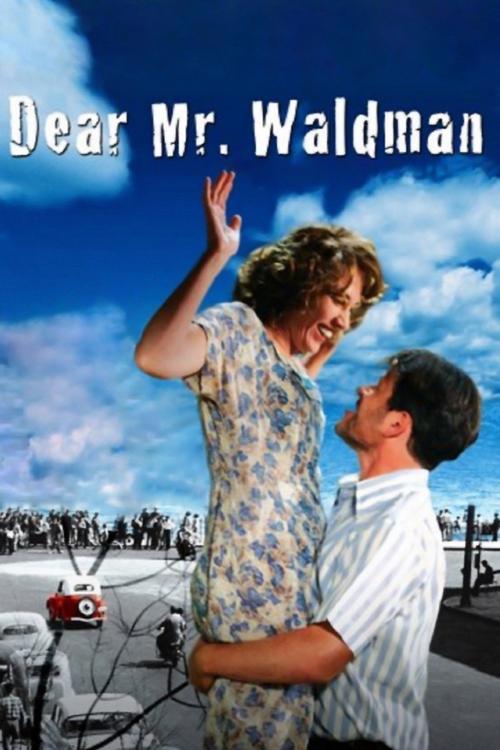
Dear Mr. Waldman is a character-driven historical drama that emphasizes psychological complexity over broader identity politics. It offers a nuanced portrayal of masculine vulnerability and the long-term impact of historical trauma. However, the film focuses narrowly on a specific demographic and gendered perspective, limiting its multi-layered range and excluding diverse representation outside the Jewish diaspora experience. Ultimately, the film delves deeply into emotional dysfunction rather than critiquing social hierarchies.
Category Breakdown
The film does not include any LGBTQ+ characters or narratives that question the assumption that everyone is straight or cisgender. The main conflict revolves around traditional family grief and paternal relationships.
The story centers on a male-dominated household. While it showcases a vulnerable father figure, it does not provide significant empowerment for female characters.
Set in 1960s Tel Aviv, the film examines Jewish identity and the aftermath of the Holocaust. The cast appears ethnically uniform within its historical context.
The narrative highlights moral ambiguity by focusing on a father's rejection of historical facts. It questions traditional structures by depicting the destruction caused by systemic injustices.
The film incorporates invisible disabilities through profound psychological trauma and grief-induced denial. Mental health and emotional instability are central plot elements.
Present on Screen
Limited or Absent
Official Synopsis
Set in early-1960s Tel Aviv, this coming-of-age story centers on 10-year-old Hilik and his struggle to help heal the emotional wounds of his father, who hasn't recovered from losing his elder son at Auschwitz. Still in denial, Moishe believes his son escaped and is now President Kennedy's aide. To help his father move on and gain the father-son relationship he sorely needs, Hilik puts Moishe's love to the test.
2010
2007
1997

1997

1966

2020
1988
2019
No reviews yet. Be the first to share your thoughts on this movie!
Use the rating form above to leave a star rating and optional review.