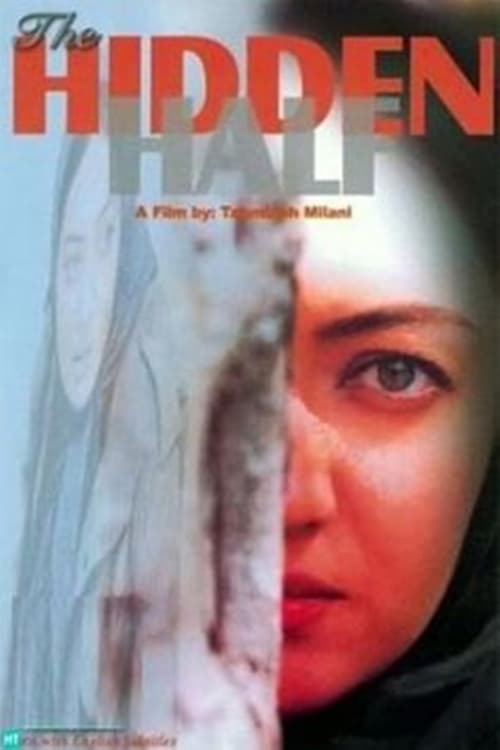
The Hidden Half
2001
No user ratings available yet
Representation score: 8.7 out of 10
Representation Score
Limited
1986
Director
Mohsen Makhmalbaf
Runtime
95 minutes
Average Rating
No ratings yetNew Showbiz Analysis
Boycott is a sophisticated exploration of moral ambiguity that challenges the cliché of the unshakeable revolutionary. By focusing on the psychological erosion of a political prisoner, the film offers a nuanced look at human vulnerability under state oppression. The film's primary strength lies in its cultural authenticity and its refusal to cater to a Western gaze. It presents a localized struggle that resonates with its own socioeconomic and political realities. However, the film is limited by traditional gender hierarchies. The narrative centers on male political ability to act, leaving female characters to navigate the consequences of systemic conflict with limited autonomy.
Category Breakdown
The film does not include any LGBTQ+ identities or non-straight relationships. It focuses on the political and family struggles of the main character.
The film follows a traditional patriarchal structure. The protagonist's wife faces economic and personal hardships, but her role is mainly reactive to systemic pressures.
The film showcases a culturally specific, non-Western cast, providing a departure from Anglo-centric norms. It centers an Iranian narrative and highlights the socioeconomic realities of a rural village.
The film excels in critiquing institutional power and exploring the moral complexities of political dissent. It examines the tension between individuals and the collective through a lens of systemic critique.
There are no specific depictions of visible or invisible disabilities in the narrative.
Present on Screen
Limited or Absent
Official Synopsis
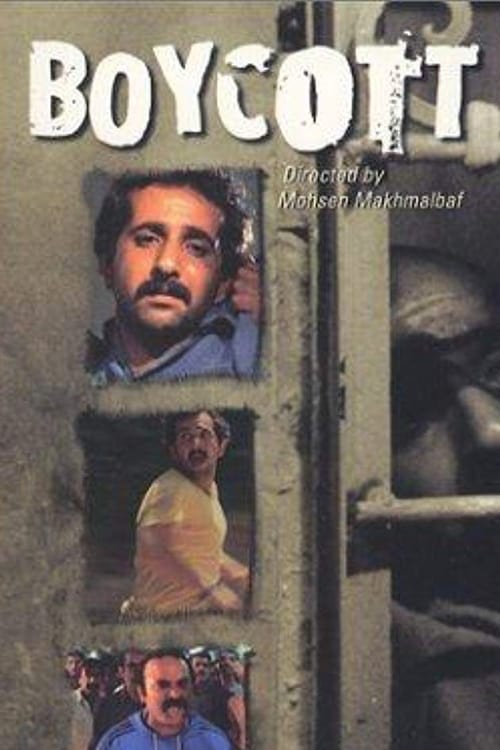
Valeh, a member of a leftist organization, is arrested by the SAVAK and sentenced to death. In prison, he reconsiders his relationships with members of his political cell, and begins to doubt the validity of the ideas for which he is condemned. At the same time, his comrades pressure him to make a sacrifice for their cause, and his beloved wife experiences personal problems and economic hardships.
2001
1985
1989
1982
1989

1989

1971

1985
No reviews yet. Be the first to share your thoughts on this movie!
Use the rating form above to leave a star rating and optional review.