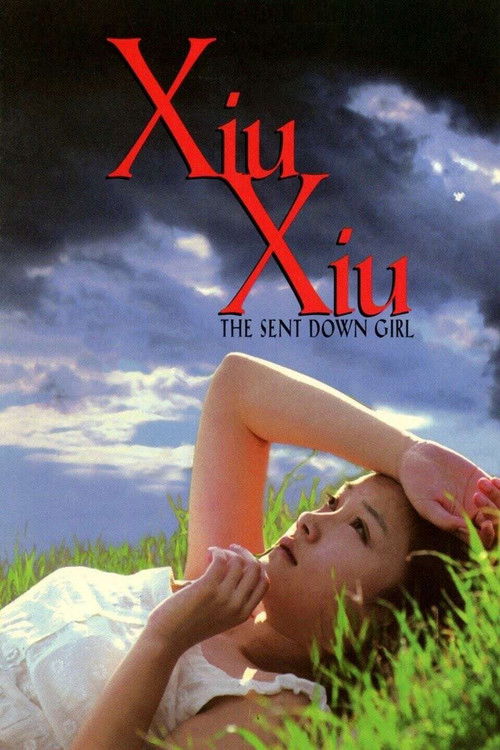
Xiu Xiu: The Sent-Down Girl
1998
No user ratings available yet
Representation score: 7.2 out of 10
Representation Score
Fair
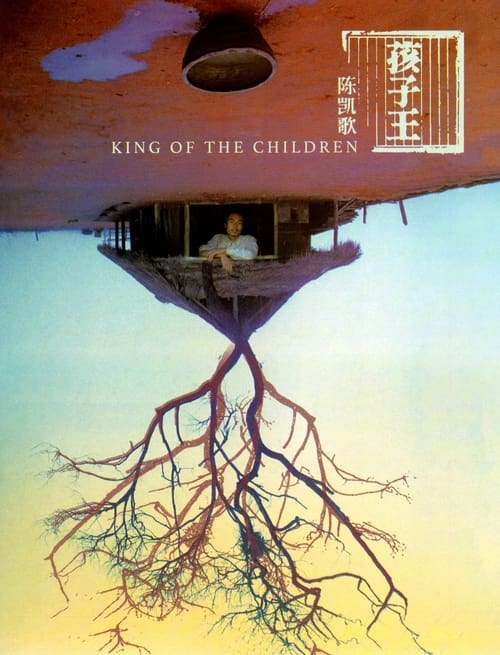
1987
Not RatedDirector
Chen Kaige
Runtime
107 minutes
Average Rating
No ratings yetNew Showbiz Analysis
Chen Kaige’s drama is a profound deconstruction of systemic authority during the Cultural Revolution. It prioritizes the struggle for individual ability to act against state-mandated ideological frameworks, moving from collective indoctrination toward subjective expression. While the film lacks representation in LGBTQ+ and disability categories, it excels in cultural critique. It uses the protagonist's journey to challenge the stability of traditional institutions and state-sanctioned morality. The work functions as a sophisticated exploration of how extreme political movements reshape social norms and personal identity.
Category Breakdown
The film does not include any LGBTQ+ characters or those with non-conforming gender identities. Its focus is on class, age, and the political upheaval of the Cultural Revolution.
The narrative explores how state ideology disrupts traditional family hierarchies and patriarchal structures. Characters play significant roles by navigating these shifting domestic roles.
The cast is culturally homogenous, reflecting its specific historical and geographical setting. It succeeds by reclaiming the Chinese narrative through authentic, domestic storytelling.
The film champions personal truth over collective dogma by critiquing institutionalized power. It portrays the breakdown of traditional authority as a path toward individual identity.
There is no evidence of characters using visible or invisible disabilities as central plot devices. The narrative does not feature disability-related themes.
Present on Screen
Limited or Absent
Official Synopsis
An unschooled young man, one of the countless victims of Mao's Cultural Revolution, is laboring in the countryside when he is assigned to teach in a nearby school. Gradually, he abandons the Maoist textbook and encourages the barely literate kids to write about their own lives and feelings.
1998

1994
1985
1985
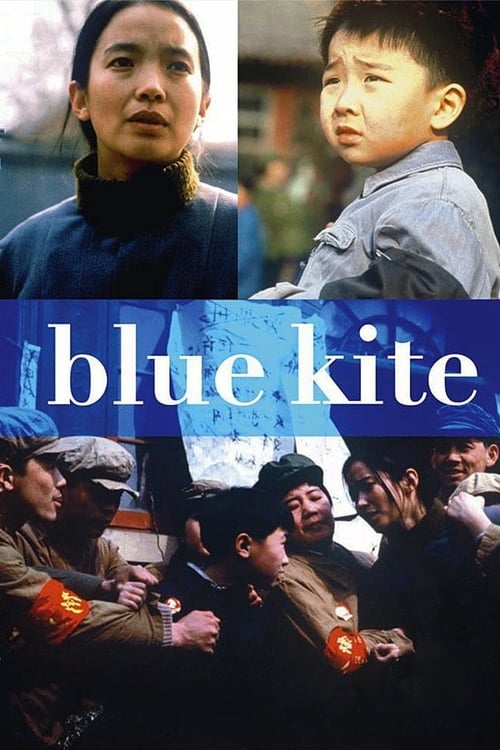
1994
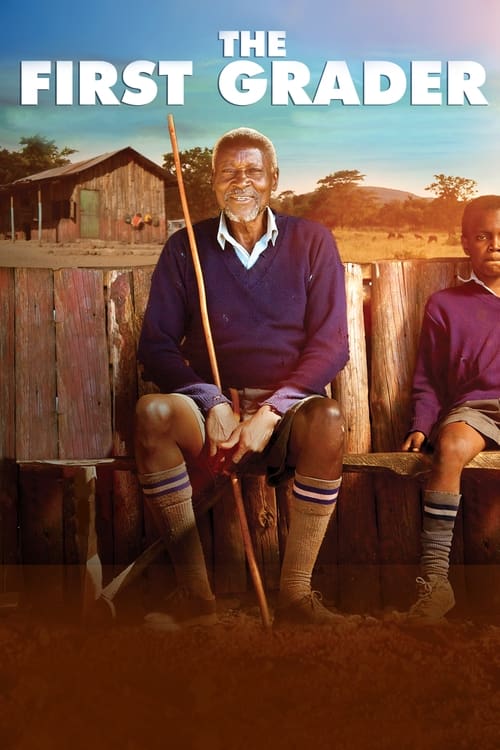
2010
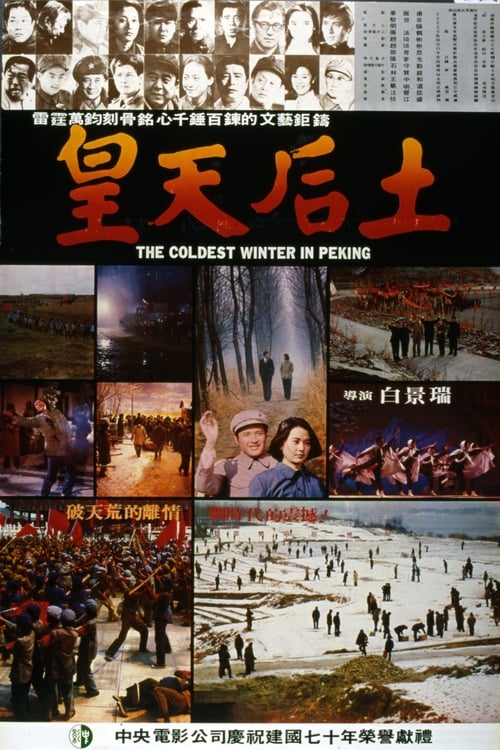
1981
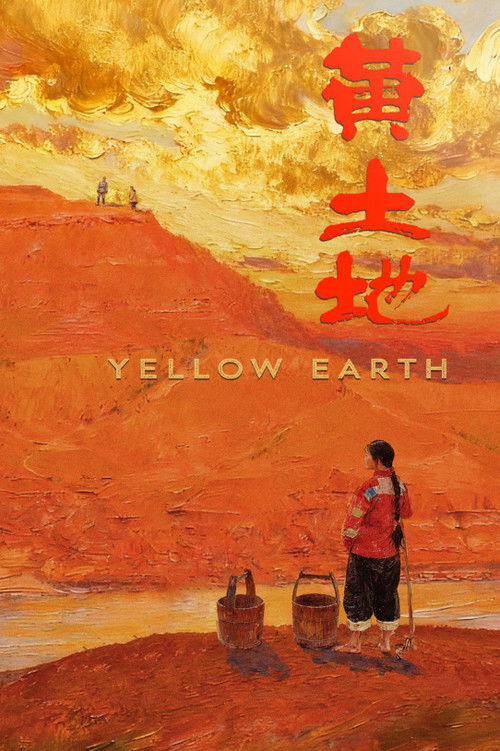
1984
No reviews yet. Be the first to share your thoughts on this movie!
Use the rating form above to leave a star rating and optional review.