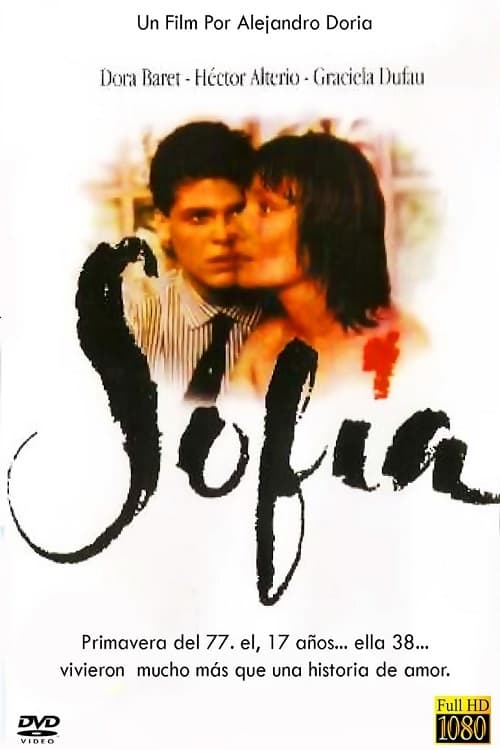
Sofía
1987
No user ratings available yet
Representation score: 6.1 out of 10
Representation Score
Fair
2004
Not RatedDirector
Andrés Wood
Runtime
116 minutes
Average Rating
No ratings yetNew Showbiz Analysis
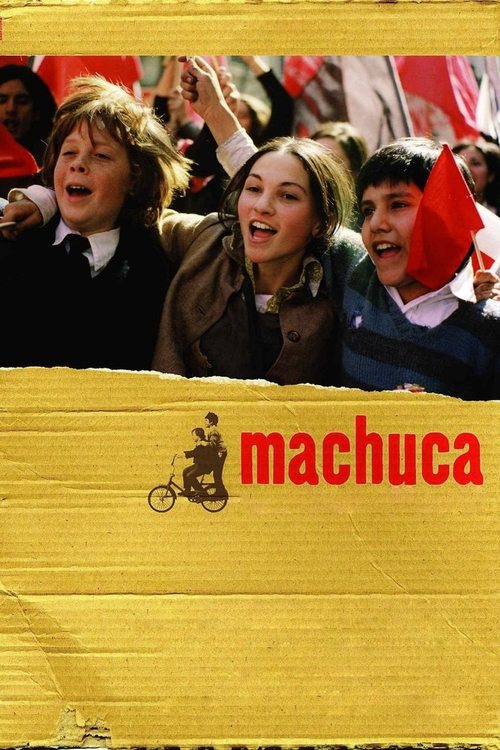
Machuca is a sophisticated historical drama that emphasizes the deconstruction of class hierarchies over individual identity issues. Its strength lies in its detailed exploration of systemic power imbalances during the Allende administration. The film effectively portrays the struggles of underrepresented groups as systemic inevitabilities. It uses socioeconomic status to explore the marginalization of certain populations, offering rich characterizations of those from lower social standings. However, the film remains constrained by its historical context, leading to a lack of LGBTQ+ representation and a male-dominated narrative structure. While it avoids portraying women as submissive stereotypes, female characters remain secondary to the central political conflict.
Category Breakdown
The film focuses on the societal structures of 1970s Chile, which assume everyone is straight or cisgender. It doesn't include explicit representations of non-straight or non-cisgender identities or critiques of heteronormativity through a queer perspective.
The story revolves around a male-centric framework centered on male friendships. Female characters avoid being portrayed as submissive stereotypes, but they don't have the power to drive the central political storyline.
The film showcases the interplay between class and social status. It disrupts the uniformity of the elite class by featuring a working-class child in a prestigious Catholic school to highlight systemic inequalities.
The story offers a critical look at capitalist systems through a Marxist viewpoint. It presents the political turmoil as a complex, tragic clash of ideologies rather than a simple good-versus-evil scenario.
There is no significant use of visible or invisible disabilities as central plot devices or character traits.
Present on Screen
Limited or Absent
Official Synopsis
Santiago, capital of Chile during the Marxist government of elected, highly controversial president Salvador Allende. Father McEnroe supports his leftist views by introducing a program at the prestigious "collegio" (Catholic prep school) St. Patrick to allow free admission of some proletarian kids. One of them is Pedro Machuca, slum-raised son of the cleaning lady in Gonzalo Infante's liberal-bourgeois home. Yet the new classmates become buddies, paradoxically protesting together as Gonzalo gets adopted by Pedro's slum family and gang. But the adults spoil that too, not in the least when general Pinochet's coup ousts Allende, and supporters such as McEnroe.
1987
1985
1996

2020
1983

1989

2019

2005
No reviews yet. Be the first to share your thoughts on this movie!
Use the rating form above to leave a star rating and optional review.