Ward Six
1973
No user ratings available yet
Representation score: 7.9 out of 10
Representation Score
Good
2013
Director
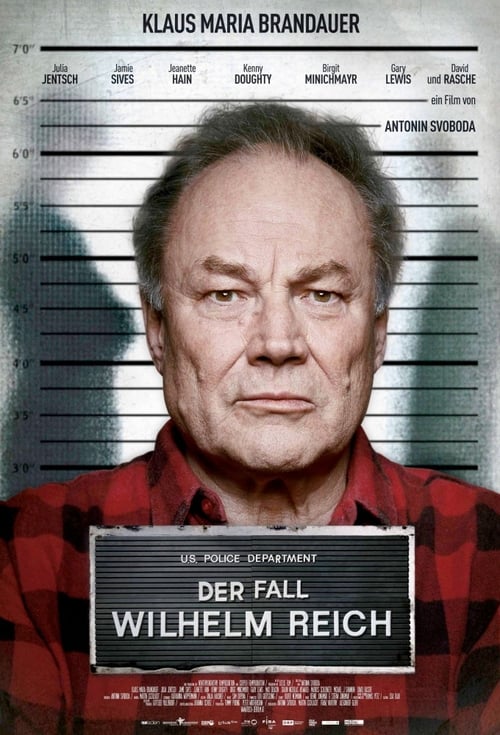
Antonin Svoboda
Runtime
110 minutes
Average Rating
No ratings yetNew Showbiz Analysis
The film is a specialized biographical drama that emphasizes ideological subversion over broad demographic representation. It functions as a cinematic interrogation of institutional power versus individual autonomy. While the narrative doesn't highlight racial or LGBTQ+ identities prominently, it excels in cultural critique. It effectively questions the legitimacy of Western authority through the lens of a persecuted intellectual. Ultimately, the work finds its strength in challenging traditional hierarchies and exploring the tension between a global thinker and a growing hegemony.
Category Breakdown
The film touches on themes of freeing individuality and rejecting strict social structures, but it doesn't show same-sex relationships or explicitly depict queer identities.
The story revolves around a male protagonist's intellectual journey against a patriarchal state. It portrays the American system as oppressive rather than stable.
This period drama focuses on a European intellectual within an American legal context, suggesting a predominantly white cast with little emphasis on diverse racial backgrounds.
The film critiques Western institutions like the FDA and frames the protagonist's struggle as a transformative, anti-establishment movement connected to the '68 generation.
The story examines mental health by questioning whether the protagonist's theories were a sign of madness or insight. It avoids clichés by presenting perceived instability as a result of systemic persecution.
Present on Screen
Limited or Absent
Official Synopsis
At the end of his life, Wilhelm Reich - psychiatrist and experimental scientist searching for the fundamentals of life - finds himself on trial, charged with deception. His dream of liberating human individuality makes him a dangerous opponent of an American system that is striving after 1945 for global hegemony, using all available means. Was it madness to believe in man's liberty or was Reich simply in the wrong place at the wrong time, and, being a holistic global thinker, accurately observing far-reaching socio-political linkages? Ten years after his mysterious death, his writings, once burnt by the US FDA, become an important source of inspiration for a '68 generation in revolt. Written by Novotny & Novotny
1973
2016
1971
1975
2011
2015
1994
2010
No reviews yet. Be the first to share your thoughts on this movie!
Use the rating form above to leave a star rating and optional review.